


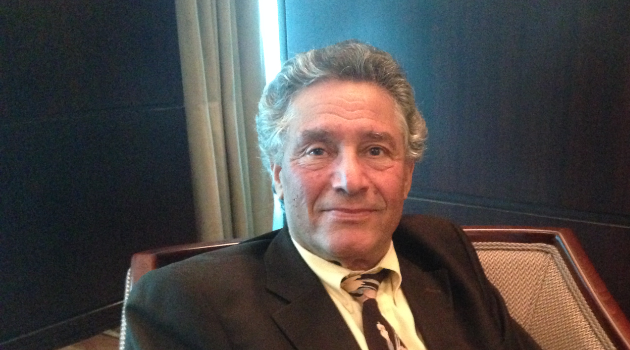
By Ahmed Mousa Jiyad. Any opinions expressed are those of the author, and do not necessarily reflect the views of Iraq Business News.
Position Statement and Call- Supporting the Ministry of Oil, Confronting APIKUR
We, whose names are listed below, are oil specialists, are those who follow oil affairs, are those concerned with the Iraqi economy, and those who are keen to protect the rights of the Iraqi people to ensure the benefit of their oil and gas wealth.
After reviewing both the statement of the Ministry of Oil dated March 24, 2024 and the information, press releases, calls and statements of the Association of the Petroleum Industry of Kurdistan (APIKUR) since its establishment on February 27, 2023 until its latest statement dated March 23, 2024, we declare the following:
- Our full support for the position taken by the Federal Ministry of Oil, as stated in its statement dated March 24, 2024.
- At the level of bilateral Iraqi-American relations, especially with regard to the Iraqi delegation that is carrying out the task of preparing for the Prime Minister's visit to Washington in mid-April, and as far as this issue is concerned, we emphatically believe that Iraq's position should be clear, precise, decisive, unified, and premised on and confirming the statement of the Ministry of Oil of March 24, 2024, and not making any concessions whatsoever to satisfy APIKUR and its tiny eight IOCs founders- the new "Eight Sisters"!!.
- We are aware that it is not difficult at all for APIKUR to find among American Congressmen someone who advocates the interests of the oil companies and APIKUR and moves officially accordingly, as some lobbies work quickly and professionally in such cases. As an example of this, three Congressmen (Jim Banks, Michael Waltz, and Joe Wilson) had previously submitted, on October 12, 2022, a request to the current US President, Joe Biden, regarding Iraq.
- We believe it is necessary to add a paragraph to the Federal State Budget Law for the year 2024 (Article 12 - Second: C -) obligating the regional government (KRG) to provide the Ministry of Oil with authentic, authenticated copies of all contracts signed between the regional government and international oil companies, provided that this is done within a maximum period of 30 days from the date of entry into force of the Budget Law, and the delivery of all contracts is considered a precondition for providing any loan or handing over the region's share of the federal general budget.
- We suggest that the Ministry of Oil resume the legal case and present the rest of the regional government's oil contracts before the Federal Supreme Court, especially the contracts of the Eight Sisters that founded and fund APIKUR.
- Studying the inclusion of APIKUR and the eight oil companies that founded it on the blacklist in the Ministry of Planning and deleting or not registering them in the companies registry of the Ministry of Trade.
- The Legal Department in the Ministry of Oil is to consider filing a lawsuit against APIKUR Company on charges of incitement and sabotaging Iraq's bilateral relations and sovereign interests.
- Consider the possibility of declaring the executives of the eight oil companies and APIKUR as persona non grata- undesirable persons whose presence on Iraqi territory is prohibited.
- Studying the consideration of the presence and activities of the eight oil companies in Iraq as illegal, engaged in illicit trade and business and the consequences thereof.
- Commence discussions with the Russian state oil company (Rosneft) and KRG with the aim of resuming the export of Kirkuk oil via the region's pipeline to the Iraqi-Turkish border, and from there to the Iraqi Kirkuk-Ceyhan pipeline.
- Examine the possibility of any oil company operating in the region to benefit from the region's pipeline (mentioned in Paragraph (10) above) provided the company presents its prior written approval of what is stated in the Federal State Budget Law (Article 12 - Second: C - and its amendments) and amends its contract with the KRG in a manner that is consistent with the requirements of Article 12 of the Federal State Budget Law.
- Good preparation for renewing/extending the Kirkuk-Ceyhan oil pipeline agreement between Iraq and Turkey.
Fouad Al-Ameer, Majed Allawi, Wadthah Matloub Dally Al-Ani, Dr. Ghazi Al-Tememi, Samir Kubba, Dr. Talal Ashor Kenaan, Shamkhi Hwait Faraj, Emad Dhia, Abdul Mahdy Al-Ameedi, Misbah Kamal, Dr. Akram Mohammed Hassan, Sabah Kaddury, Saad Al-Saeedi, Dr. Abdul Hamid Majid, Dr. Ali Shakir Hassan Al-Assam, Dhia Alhasan, Dr. Zaid Haba, Haleem H Witwit, Dr. Sadek Owainatik, Professor Kamal Majed, Mohammed Shaker Al-Assam, Mohammed Raham Bander Al-Daraji, Dr. Samee Al-Banna, Baida Hamid, AbuFaha Munthir Hussain Abdullah, Saeib Khalil, Mohammed Al-Nassiri, Ali Majed Allowsh, Zuhair Shamkhi Al-Joborry; Ismaeel Khalil Ibraheem, Adil Al-Anni, Dr. Ghasan Maurani, Hazem Garawi, Noori Ali Al-Khayat, Sabah Kadurri, Moutasim Mustafa Hamoudi, Saadalah Al-Fathi, Dr. Muhammed Ali Zaini, Basma Fakhri, Sabah Al-Mukhtar, Noori Al-Anni, Ali Abdul Bagkhy Al-Haidari, Dr. Sanna Mustafa, Mohammed Rajab Aboud, Dr. Ramzi Salman, Dr. Kamil Abass Mahdi, Dr. Dawod Hassan Kadhim, Khudair Mohammed Al-Janabi, Ghathanfar Al Kindi, Dr. Nabil Al Tawel, Dr. Adnan Al Jajaffi, Dr. Abid Ali Awadh, Dr. Mujbil Al-Marsomi, Hani Mousa Lazim, Dr. Ahmed Ali Ibrahim, Intisar Khaleel Al-Mahdim, Dr. Ali Khadum Al-Rofai, Dr. Bassim Al-Adhad, Dr. Abdul Satar Rabee, Dr. Ali Ahmed Ali, Hamza Al Jawahiri, Issam Al-Yassiri, Hadi Salman Fudail, Muwafak Kassim Yehya, Saffa Khalaf, Hazim Thabit Al-Kadi, Dr. Ali Mutar Khalaf Almagsoosi, Laith Al-Hamdani, Hameed Al-Yassiri, Dr. Nameer Al-Yassiri, Ziyad Hameed Abdul Rahman Al-Anni, Saba T. Ali, Mazin Abdul Majeed Abdul Hameed Noori, Yousuf Al-Faysal, Samir Qassim, Fadhil Al-Galibi, Nizar Al-Kutoby, Zaher R Al-wash, Mohammed Al-Rubaie, Moayed Qaseem, Adhawi Alsaaib, Hussain Ali Hussain, Furat Sameen Fadhil, Sagid Jassim, Faris Yousuf Jajo, Muthanna Mahmood, Mahassin Khalil, Ibrahim Qassim, Haider Ezeldeen Almirza Alsaedi, Ahmed Abid Redha Al-Taee, Mustafa Muhammed Ali Hussain Al-Hussaini, Jinan Kadhum, Ekram Qassim Nasir, Suha Jawad Kadhim, Saif Aldeen Al-Hussaini, Hamid Ghafel, Dr. Batol Qassim, Ali Farhan, Muhsen Mohammed Shnor Al-Saadi, Ali Hadi, Zaid Haider Ahmed, Mohammed Al-Nassiri, Mohammed Ibraheem Yahya, Dr. Abass Enayeh Kareem, Bassem Mohammed Redha Mustafa, Zaineb Mohammed, Khalid Abdul Jalel, Yahya Abdul Hussain, Hassan Hussaini, Mustafa Raad, Yahya Alwan, Ali Haroon Mousa, Ahmed Abdul Wahid Sabr, Mohammed Abdul Hussain Hamid, Ali Hadi Jabr, Riaad Abdul Jalel Mhalhil, Adil Attiya, Hussain Al- Rubaei, Ali Al Kannani, Abu Yassar Tariq Al-Ali, Hussain Al-Mossawi, Jamal Nassir, Professor Ali Abdul Redha Tiblh, Muhammed Al-Ammari, Ahmed Mousa Jiyad#
10 April 2024
# Call' Initiator, Coordinator and author of background article written in Arabic, circulated widely, and accessible through the following websites, among many others:
https://akhbaar.org/home/2024/3/303890.html
http://www.tellskuf.com/index.php/mq/113928-df290.html
https://www.bahzani.net/?p=135287
https://www.mushtarek.org/groups/6135da07aac957001377773e/posts/post/6607134478a51e537ff9e526
https://www.sahat-altahreer.com/author/62/
Mr Jiyad is an independent development consultant, scholar and Associate with the former Centre for Global Energy Studies (CGES), London. He was formerly a senior economist with the Iraq National Oil Company and Iraq's Ministry of Oil, Chief Expert for the Council of Ministers, Director at the Ministry of Trade, and International Specialist with UN organizations in Uganda, Sudan and Jordan. He is now based in Norway (Email: mou-jiya(at)online.no, Skype ID: Ahmed Mousa Jiyad). Read more of Mr Jiyad's biography here.
Comments are closed.