


By Sharareh Abdi.
Iraq Is Digitising Payments. What Should Come After the Payment?
Iraq's payments market is changing faster than its traditional image as a cash-dominated economy might suggest.
According to the Central Bank of Iraq, domestic card-based financial transfers reached more than 58 million transactions in 2024, up 213.6% from the previous year. Their total value rose to IQD 21.1 trillion. Transfers conducted through mobile phones and electronic wallets also increased sharply, reaching more than 25 million transactions.
Yet another figure tells an equally important part of the story. World Bank data indicate that only around 30% of Iraqi adults had a financial account in 2024. Put these realities together and an interesting picture emerges.
Iraq is not simply digitising payments. It is standing at the beginning of a much larger opportunity to turn digital transactions into deeper financial participation.
The question is what comes next.
A payment creates more than a transaction
Moving a payment from cash to a digital channel creates obvious benefits: speed, convenience, traceability and lower dependence on physical cash.
But from a financial-development perspective, something else happens. The transaction begins to leave a financial footprint.
Consider a small Iraqi merchant whose business has traditionally operated primarily in cash. The business may have regular customers, healthy turnover and predictable activity. Yet much of that activity can remain difficult for a financial institution to observe.
When the same business begins receiving more payments electronically, part of its economic activity becomes visible within the formal financial system.
This does not automatically make the business creditworthy. Nor should payment data ever substitute for proper credit assessment. But transaction history can potentially become one additional source of context alongside bank-account activity, financial statements, existing obligations, collateral where appropriate and other conventional underwriting information.
The distinction is essential: digital payments can improve financial visibility, and better visibility can support better-informed financial decisions. It should never mean automatic credit.
Iraq's strategy is already pointing beyond payments
In May 2025, the Central Bank launched Iraq's first National Financial Inclusion Strategy for 2025-2029, aimed at enabling individuals and companies to access and use appropriate and secure financial services. Its objectives include increasing account ownership, expanding modern electronic payments and strengthening financial infrastructure and regulation.
The Central Bank has also taken payment infrastructure into commercial areas. Initiatives involving banks and electronic-payment companies have included account opening, POS deployment and electronic-card issuance in major commercial districts.
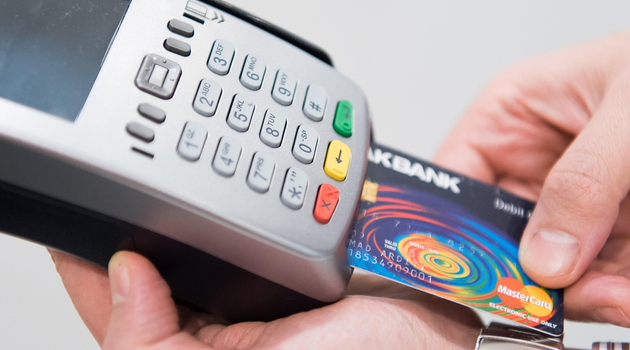
These initiatives reveal something important: the POS terminal does not have to be the end of the financial journey. It can be the beginning of one.
The progression could eventually look like this: Digital Payment -> Financial Visibility -> Better Underwriting Context -> Working Capital -> SME Finance -> Deeper Banking Relationships.
Not every merchant will travel through that entire chain. But building the infrastructure that makes such a journey possible could significantly increase the economic value of Iraq's payment transformation.
The merchant needs a reason to become digital
Governments and financial institutions have clear reasons to favour electronic payments. Digital transactions can improve transparency, efficiency and the visibility of economic activity.
But the merchant ultimately asks a simpler question: what is in it for my business?
If digitisation only means replacing cash with another payment method, adoption depends largely on convenience, cost and customer demand. The proposition becomes more powerful when participating in the formal financial system begins creating additional economic benefits.
A merchant may gradually discover that digital activity helps a financial institution understand the business better. That understanding might eventually contribute to more relevant working-capital facilities, business accounts, insurance, cash-management services or other financial products.
It does not guarantee credit. But it gives formalisation a potential commercial upside for the merchant, rather than making it solely a policy objective.
Payments may also become a distribution layer
In the early stages of digitisation, the priority is naturally infrastructure: cards, wallets, POS terminals, acceptance networks, interoperability, reliability and security. Iraq is still developing these foundations.
In July 2026, the Central Bank called on licensed electronic-payment companies to improve service quality and reliability, expand card-acceptance networks, deepen partnerships with licensed banks and develop additional financial products.
That direction matters. Once the foundations strengthen, payment infrastructure can potentially play a second role: it can become a distribution layer.
Banks hold regulated accounts, deposits, credit capabilities and financial products. Payment companies often operate closer to the point where consumers and merchants transact. Connecting those capabilities responsibly could allow financial services to reach businesses through the environments in which financial activity already occurs.
The strategic question then changes from "Who processes the payment?" to "Who can build the most valuable financial relationship around it?"
Better data must mean better decisions, not simply more lending
There is an important risk in this argument. Fintech discussions sometimes treat more data as synonymous with better credit. It is not.
Transaction volume does not reveal every aspect of a business's financial health. Revenue is not profit. Cash flow is not repayment capacity. Historical payment activity cannot eliminate economic shocks, fraud or credit risk.
Iraq should therefore avoid turning payment digitisation into indiscriminate credit expansion. The objective should be more disciplined: use additional financial information to improve decisions, not to bypass risk management.
Before sophisticated embedded finance or data-driven lending can scale responsibly, customers need reliable infrastructure, clear rules, cybersecurity, privacy protections, consumer protection and confidence that digital financial services will work when needed.
Responsible innovation matters as much as rapid innovation.
From payment infrastructure to economic infrastructure
Iraq is already building many of the rails required for a more digital financial system. The Central Bank's agenda includes instant payments, payment-system development, fintech initiatives and broader financial-inclusion objectives. Interoperability between verified electronic wallets has also progressed.
The next challenge is therefore not simply putting more transactions onto these rails. It is deciding what economic value can eventually travel over them.
Iraq should certainly measure the growth of electronic transactions, cards, wallets and POS acceptance. But over time, another set of questions may matter even more:
Are more businesses becoming visible to the formal financial system? Are viable small businesses gaining better access to appropriate working capital? Are banks developing better ways to understand customers with limited traditional credit histories? Are payment companies and banks building useful financial products around digital activity? And are merchants receiving enough economic value from formalisation to want to remain inside the digital system?
If the answers gradually become yes, Iraq will have accomplished something far larger than replacing cash with electronic payments.
It will have begun transforming payment infrastructure into economic infrastructure.




No comments yet.