


“When politicians become peaceful, our lives will become calm,” he said. “We Christians, Kurds and Arabs all live together; let them try to live together like us.”
Tawfiq also warned, however, that divisions among Nineveh’s political leaders could easily resurface.
“Anything could provoke one of them to become frustrated with another of them,” Tawfiq said. “Then what will happen? There will be more tensions and more arguments between them, and much more violence and hard times for us.”
Some analysts argue that Nineveh has set a precedent for how rival groups in diverse ethnic areas can cooperate.
“Leaders should coexist peacefully and teach their people how to do so,” Osama Murtadha, a Baghdad-based political analyst, said. “Fortunately they have started doing it in Nineveh, although it’s taken a long time for officials there to learn that lesson. Fighting results in nothing but blood, death and destruction, not the prosperity, good standard of living and other things that people dream of.”
Despite the more optimistic mood, Mosul is still the scene of recurring violence. Two civilians and a policeman were killed in a rocket attack on the city’s police headquarters on June 5, AFP news agency reported. The same day, two Iraqi army soldiers were killed and three civilians injured when an explosion targeted a military patrol in the city’s Rabia area.
Ahmed Younis, Khalid Waleed and Mustafa Mohammed are IWPR-trained reporters in Iraq.
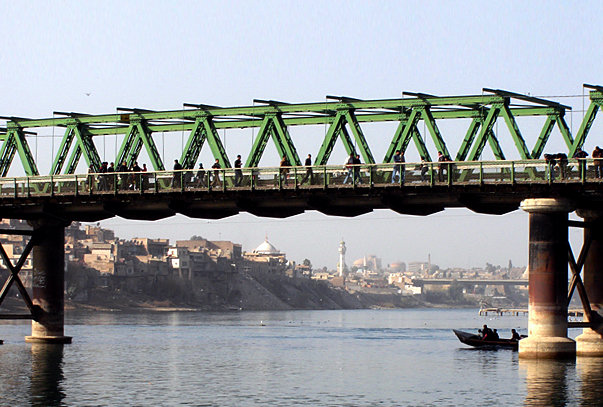
(Photo: Mosul, by Ahmed Younis)
Comments are closed.