


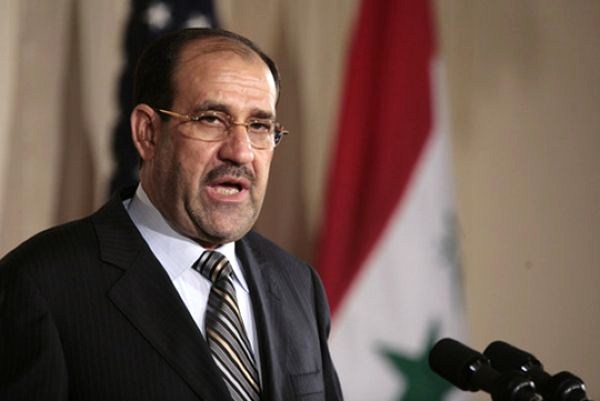
And on September 15, the Prime Minister addressed Parliament to impress upon the 225 gathered MPs the importance of the infrastructure law. Al-Maliki said that the law was so important that if the MPs did not vote for it, then the government would proceed with the law in other ways that didn’t involve them.
Some of those present said the law is badly needed and that it would provide jobs and longed-for services.
Local economist, Kamal al-Basri, recently appeared at a seminar in the capital and said he supported the idea of the law. “The delay in passing the law will further delay bridging the gap between Iraq and other countries and will eventually lead to a failure in important infrastructure like ports, bridges and other construction,” al-Basri argued.
“The infrastructure law is for all Iraqis and not just for the politicians,” MP Abdul Salam al-Maliki, a member of Prime Minister al-Maliki’s State of Law bloc, told NIQASH. “But there are some politicians who don’t want this country to develop.”
Meanwhile critics of the law are united in opposition – almost every political party other than al-Maliki’s own expressed doubts about the bill’s current draft. Even other parties in al-Maliki’s ruling coalition were opposed to the bill in its current state.
“The bill has huge political and economic repercussions,” Mahma Khalil, an MP from the Kurdish Alliance, told NIQASH. “The law violates the Constitution and Iraqi financial management laws which restrict state spending to within the annual federal budget.”
Khalil explains that, in its current draft, the law guarantees any foreign firms payment for their work with interest. Should the country be unable to pay the firms for their work, or payments be delayed, then it is possible that Iraqi oil payments could be forfeit. “This is very dangerous and has serious political and economic repercussions,” Khalil noted, adding that the law doesn’t take into account the possibility that the price of oil falls or that Iraqi oil production could halt for as yet unknown reasons.
Comments are closed.