


Khalil concluded by saying that his bloc - the Kurdish bloc which often holds a balance of power in the almost-evenly-split Iraqi Parliament - wouldn’t be voting for the law without further amendments and information.
“Because of the ambiguity in the legislation with regard to how money will be spent and how it will be managed, this draft law opens the door even wider to financial and administrative corruption,” argued MP Haider al-Mula, a member of the main opposition bloc, Iraqiya.
Another opposition MP, Wael Abdul-Latif, stated that it was important that parliament, not the executive branch, “supervised the implementation of these projects and approved them”.
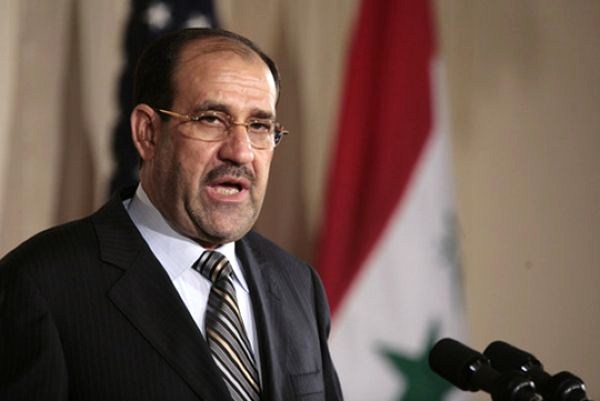
And behind the scenes, further reasons were given for the antipathy being directed at a legislation the country really seems to need badly: the upcoming elections. Al-Maliki is not a popular man – a large group of MPs have recently tried to oust him from his position. And with upcoming elections, they’re worried that his main motivation with a law like this – which relates to many things that the Iraqi voters need and want – is to increase his own popularity with electors, without concern for consequences.
As of this week, Iraqi politicians appear to have done what they often do when they reach an impasse: formed a committee to investigate and postponed voting until a later date.
Comments are closed.