


Qarmo, who now lives in the Sharya refugee camp in Dahuk, called on the Kurdistan government to expel IS so they can return home. “I implore the government to liberate our areas from IS. We want to go back. The displacement is dire. It is true that they offered food and water, but such aid is not enough for big families,” said Qarmo.
UNICEF considers the Iraqi Yazidis' situation a humanitarian catastrophe. Marzio Babille, representative of Iraq's UNICEF office, said the violations against children, women and minorities in Iraq constitute the worst events of this century.
Maisar Hajji Saleh, district president of Sinjar, told Al-Monitor, “We were subject to the worst crime in human history. IS took our women hostage and killed our men. We have information that hundreds of girls are being sold cheaply. There are markets in Mosul set up to sell them. The problem is that a number of the residents of Sinjar villages cooperated with IS to kill us and plunder our homes. We know them all, as they appeared in videos IS posted on the Internet, and know by their dialect to which tribes they belong.”
Yazidi activist Khoder Dumali denounced the silence of Muslim clerics and the Iraqi government toward the genocide of Yazidis. He told Al-Monitor, “Decision-makers and official institutions have only issued embarrassing statements. This is raising the ire of Yazidis who are questioning the subpar reaction of competent institutions, religious guides and political parties in Iraq. They did not even bother to denounce the horrendous situation we are going through.”
Dumali said, “There is still an opportunity to save large numbers of Yazidis who are in danger and who are close to the Iraqi government-controlled areas in Mosul, Qayyarah and Sinjar. The Iraqi government can conduct a military operation to save them.”
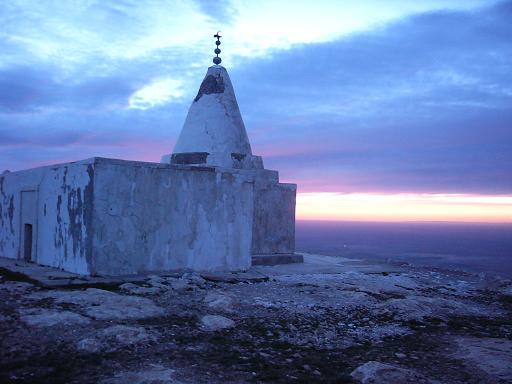
(Picture: Yazidi Temple in northern Iraq.)
Comments are closed.