


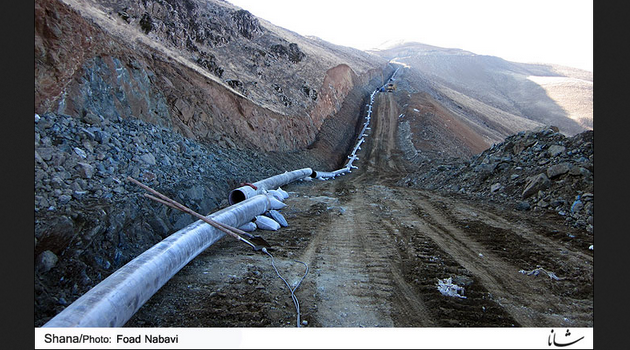
However, Tehran needed to make sure that the move would not upset the Baghdad government — an important regional ally for Iran. As such, a balancing act started in the triangle between Tehran, Baghdad and Erbil and also a careful weighing of the different interest groups that would benefit or be undermined as a result of crude oil flowing from the KRG to Iran.
From the KRG’s perspective, setting up a second export route in addition to the pipeline to Ceyhan had been a priority for some time. In fact, over the past two years, a growing segment of the Kurdish oil had been transported through trucks into Iran and used in northern Iranian refineries.
While this gradually created a justification for the planned pipeline, the dynamic also introduced more and more stakeholders into the complex picture that includes Kurdish, Iraqi, Iranian and Turkish interests, including traders organizing crude deliveries from the KRG to Iran and Turkey through trucks.
As far as Baghdad is concerned, the fact that the KRG would be less dependent on Turkey would be good news, but the complexity of the financial flows would potentially create an additional point of tension. In fact, oil exports that go through the Iraq-Ceyhan pipeline are settled through Baghdad with the federal government paying forward Erbil’s share — usually with lengthy delays.
Iran’s Pipeline Politics reaches Iraqi Kurdistan: By Bijan Khajehpour, for Al-Monitor. Any opinions expressed... https://t.co/sG7aJkM2rg
DTN Iraq: Iran’s Pipeline Politics reaches Iraqi Kurdistan: By Bijan Khajehpour, for Al-Monitor. Any opinions... https://t.co/8nQ58lNXSb
Iran’s Pipeline Politics reaches Iraqi Kurdistan: By Bijan Khajehpour, for Al-Monitor. Any opinions exp... https://t.co/4yYbZ2IoGl #Iraq