


From the United Nations Development Programme (UNDP). Any opinions expressed are those of the author(s), and do not necessarily reflect the views of Iraq Business News.
Kurdistan Region advances police reform to strengthen public trust and improve services
The Kurdistan Region's Ministry of Interior, in partnership with the United Nations Development Programme (UNDP), is advancing efforts to strengthen police institutions, improve service delivery and build public trust through a more coordinated and results-oriented approach to reform.
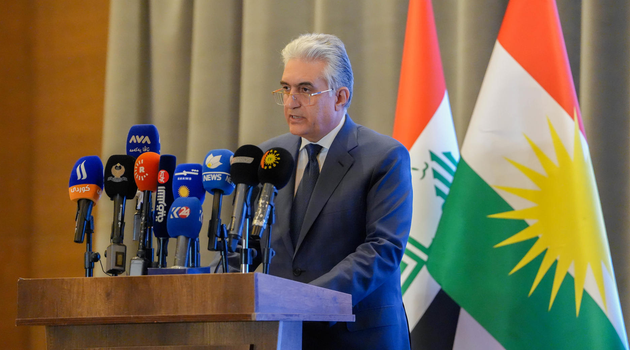
"Our commitment is to build a professional police service that is accountable, effective and trusted by the people it serves. Establishing clear responsibilities, strengthening coordination and following up on implementation are essential to turning our reform priorities into tangible results. This partnership with UNDP supports our efforts to strengthen institutional capacity and ensure that reform is translated into practical improvements across our police service," said Rebar Ahmed Khalid, Minister of Interior of the Kurdistan Region.
The reform agenda focuses on translating the Ministry's priorities into practical programmes and projects, supported by clearer institutional responsibilities, stronger coordination and systematic monitoring of progress. A key part of this effort is the development of a Programme Office to help coordinate implementation, track results, identify risks and support evidence-based decision-making.
The initiative builds on a structured dialogue through which the Ministry identified five police reform priorities and agreed on a common direction towards a more professional, accountable and trusted police service.
"Sustainable reform depends on more than a clear vision. It requires strong institutions, effective coordination and a system that turns priorities into measurable results. Through our partnership with the Ministry of Interior, UNDP is supporting the development of practical mechanisms to track progress, identify risks and strengthen evidence-based decision-making. Ultimately, successful reform is owned by MOI and must deliver meaningful improvements for the people the police serve," said Titon Mitra, UNDP Resident Representative in Iraq.
Two priorities are central to the current implementation efforts: establishing Model Police Stations and reforming the Police Academy and College. These priorities aim to strengthen both the public's experience of police services and the professional standards, knowledge and skills of future officers.
Model Police Stations offer an opportunity to improve how people interact with the police, placing professional service and positive public engagement at the centre of everyday policing. Reforming the Police Academy and College is equally important to preparing future generations of officers to meet the demands of modern policing and uphold high professional standards.
To support implementation, the Ministry and UNDP are working to clarify the roles of the Leadership and Management Academy, Programme Office, project managers and project teams. The approach includes structured planning, defined baselines, expected results and indicators to help track progress and strengthen accountability. These arrangements are being developed through technical discussions involving Ministry of Interior leaders and officers, drawing on relevant international police reform experience.
Through its support for security sector reform and the rule of law in Iraq and the Kurdistan Region, UNDP provides technical assistance and international expertise to strengthen institutional capacity and support sustainable, nationally led reform.
The ongoing work to strengthen implementation systems and advance priority projects represents an important step towards a more professional and accountable police service that responds effectively to the needs of the people it serves.


No comments yet.