Custom Search

Operation Inherent Resolve 060116

Military Strikes Target ISIL Terrorists in Syria, Iraq

U.S. and coalition military forces continued to attack Islamic State of Iraq and the Levant terrorists in Syria and Iraq yesterday, Combined Joint Task Force Operation Inherent Resolve officials reported today.

Officials reported details of the latest strikes, noting that assessments of results are based on initial reports.

Strikes in Syria

Bomber, ground-attack, attack, fighter, and remotely piloted aircraft conducted 16 strikes in Syria:

  • Near Manbij, 13 strikes struck 10 separate ISIL tactical units and destroyed six ISIL fighting positions, three ISIL cave entrances, an ISIL weapons cache, an ISIL command and control node, two ISIL vehicles, and an ISIL security headquarters.
  • Near Mara, three strikes struck two ISIL tactical units and destroyed an ISIL fighting position, an ISIL tactical vehicle and an ISIL mortar system.

Strikes in Iraq

Bomber, attack, fighter, and remotely piloted aircraft conducted 14 strikes in Iraq, coordinated with and in support of Iraq’s government:

  • Near Beiji, a strike struck an ISIL weapons factory.
  • Near Fallujah, two strikes struck two ISIL tactical units and destroyed 19 ISIL fighting positions, two ISIL vehicles, four ISIL heavy machine guns, four ISIL rocket propelled grenade systems, eight ISIL light machine guns, three ISIL recoilless rifles and an ISIL mortar system and denied ISIL access to terrain.
  • Near Kisik, two strikes struck an ISIL tactical unit and suppressed an ISIL mortar position.
  • Near Mosul, three strikes struck three separate ISIL tactical units and destroyed an ISIL mortar system, an ISIL supply cache and an ISIL vehicle.
  • Near Qayyarah, four strikes struck three separate ISIL tactical units and an ISIL headquarters and destroyed an ISIL fighting position, an ISIL assembly area and two ISIL mortar systems and suppressed a separate ISIL tactical unit and denied ISIL access to terrain.
  • Near Ramadi, two strikes struck two separate ISIL tactical units and an ISIL fighting position.

Additionally, officials said, two strikes in Syria near Manbij that struck two ISIL tactical units on June 12 were not included in yesterday’s strike release.

Task force officials define a strike as one or more kinetic events that occur in roughly the same geographic location to produce a single, sometimes cumulative, effect. Therefore, officials explained, a single aircraft delivering a single weapon against a lone ISIL vehicle is one strike, but so is multiple aircraft delivering dozens of weapons against buildings, vehicles and weapon systems in a compound, for example, having the cumulative effect of making those targets harder or impossible for ISIL to use. Accordingly, officials said, they do not report the number or type of aircraft employed in a strike, the number of munitions dropped in each strike, or the number of individual munition impact points against a target. Ground-based artillery fired in counterfire or in fire support to maneuver roles is not classified as a strike.

Part of Operation Inherent Resolve

The strikes were conducted as part of Operation Inherent Resolve, the operation to eliminate the ISIL terrorist group and the threat they pose to Iraq, Syria, and the wider international community. The destruction of ISIL targets in Syria and Iraq further limits the terrorist group's ability to project terror and conduct operations, officials said.

Coalition nations that have conducted strikes in Iraq include the United States, Australia, Belgium, Canada, Denmark, France, Jordan, the Netherlands and the United Kingdom. Coalition nations that have conducted strikes in Syria include the United States, Australia, Bahrain, Canada, France, Jordan, the Netherlands, Saudi Arabia, Turkey, the United Arab Emirates and the United Kingdom.

(Source: US Dept of Defense)

Posted in Security 2 Comments

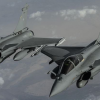
US Refuels French F-2 Rafale Aircraft Over Iraq (Inherent Resolve)

Counter-ISIL Strikes Hit Terrorists in Syria, Iraq

U.S. and coalition military forces continued to attack Islamic State of Iraq and the Levant terrorists in Syria and Iraq on Sunday, Combined Joint Task Force Operation Inherent Resolve officials reported on Monday.

Officials reported details of the latest strikes, noting that assessments of results are based on initial reports.

Strikes in Syria

Attack, fighter, and remotely piloted aircraft conducted 13 strikes in Syria:

  • Near Abu Kamal, a strike destroyed two ISIL oil well heads.
  • Near Ayn Isa, five strikes struck five separate ISIL tactical units and destroyed an ISIL fighting position, five ISIL vehicles, an ISIL command and control node and an ISIL front-end loader.
  • Near Manbij, six strikes struck five separate ISIL tactical units and destroyed four ISIL fighting positions, an ISIL cave entrance, an ISIL weapons cache, an ISIL vehicle and an ISIL light machine gun.
  • Near Mara, a strike struck an ISIL tactical unit and destroyed an ISIL fighting position and an ISIL tactical vehicle.

Strikes in Iraq

Bomber, ground-attack, attack, fighter, and remotely piloted aircraft conducted 19 strikes in Iraq, coordinated with and in support of Iraq’s government:

  • Near Beiji, a strike struck an ISIL tactical unit and destroyed two ISIL fighting positions, an ISIL vehicle and an ISIL heavy machine gun.
  • Near Fallujah, three strikes struck three separate ISIL tactical units and destroyed 11 ISIL fighting positions, two ISIL vehicles, two ISIL heavy machine guns, an ISIL anti-air artillery piece, five ISIL light machine guns, three ISIL tunnel systems and an ISIL recoilless rifle and damaged a separate ISIL fighting position and denied ISIL access to terrain.
  • Near Haditha, a strike destroyed an ISIL vehicle.
  • Near Kisik, a strike suppressed an ISIL mortar position.
  • Near Mosul, six strikes struck two separate ISIL tactical units and an ISIL oil tanker storage area and destroyed an ISIL fighting position and an ISIL vehicle and suppressed an ISIL machine gun position.
  • Near Qayyarah, seven strikes struck two separate large ISIL tactical units, an ISIL vehicle bomb-making facility and three ISIL-used bridges and destroyed an ISIL vehicle, seven ISIL assembly areas, two ISIL artillery pieces, an ISIL tactical vehicle, three ISIL mortar systems, an ISIL mortar position, an ISIL rocket rail, four ISIL vehicle bombs and 18 ISIL boats and suppressed a separate ISIL tactical unit.

Task force officials define a strike as one or more kinetic events that occur in roughly the same geographic location to produce a single, sometimes cumulative, effect. Therefore, officials explained, a single aircraft delivering a single weapon against a lone ISIL vehicle is one strike, but so is multiple aircraft delivering dozens of weapons against buildings, vehicles and weapon systems in a compound, for example, having the cumulative effect of making those targets harder or impossible for ISIL to use. Accordingly, officials said, they do not report the number or type of aircraft employed in a strike, the number of munitions dropped in each strike, or the number of individual munition impact points against a target. Ground-based artillery fired in counterfire or in fire support to maneuver roles is not classified as a strike.

Part of Operation Inherent Resolve

The strikes were conducted as part of Operation Inherent Resolve, the operation to eliminate the ISIL terrorist group and the threat they pose to Iraq, Syria, and the wider international community. The destruction of ISIL targets in Syria and Iraq further limits the terrorist group's ability to project terror and conduct operations, officials said.

Coalition nations that have conducted strikes in Iraq include the United States, Australia, Belgium, Canada, Denmark, France, Jordan, the Netherlands and the United Kingdom. Coalition nations that have conducted strikes in Syria include the United States, Australia, Bahrain, Canada, France, Jordan, the Netherlands, Saudi Arabia, Turkey, the United Arab Emirates and the United Kingdom.

(Source: US Dept of Defense)

Posted in Security 2 Comments

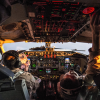
KC-135 Stratotanker over Turkey (Inherent Resolve)

Military Strikes Continue Against ISIL in Syria, Iraq

U.S. and coalition military forces continued to attack Islamic State of Iraq and the Levant terrorists in Iraq and Syria on Saturday, Combined Joint Task Force Operation Inherent Resolve officials reported on Sunday.

Officials reported details of the latest strikes, noting that assessments of results are based on initial reports.

Strikes in Syria

Attack, bomber, fighter, ground attack and remotely piloted aircraft conducted 16 strikes in Syria:

  • Near Abu Kamal, one strike destroyed two ISIL oil wellheads.
  • Near Raqqah, a strike struck an ISIL tactical unit and destroyed an ISIL vehicle.
  • Near Manbij, 11 strikes struck 11 separate ISIL tactical units and destroyed three ISIL vehicles, four ISIL fighting positions, and an ISIL mortar position.
  • Near Mara, three strikes struck an ISIL tactical unit, an ISIL weapons storage facility and an ISIL ammunition storage facility and destroyed two ISIL fighting positions.

Strikes in Iraq

Attack, bomber, fighter and remotely piloted aircraft conducted 20 strikes in Iraq, coordinated with and in support of Iraq’s government:

  • Near Baghdadi, a strike destroyed two ISIL artillery pieces and an ISIL vehicle.
  • Near Bashir, two strikes struck an ISIL tactical unit and destroyed two ISIL vehicles, an ISIL assembly area and an ISIL supply cache.
  • Near Fallujah, three strikes struck three separate ISIL tactical units; destroyed five ISIL fighting positions, four ISIL vehicles, two ISIL vehicle bombs, an ISIL heavy machine gun and six ISIL light machine guns; damaged two separate ISIL fighting positions; and denied ISIL access to terrain.
  • Near Qayyarah, eight strikes struck an ISIL tactical unit and an ISIL weigh station; destroyed three ISIL mortar systems, 10 ISIL rocket rails, two ISIL vehicle bomb facilities and an ISIL assembly area; damaged an ISIL mortar system; and denied ISIL access to terrain.
  • Near Ramadi, a strike destroyed an ISIL vehicle bomb storage facility and an ISIL anti-air artillery piece.
  • Near Sinjar, four strikes struck two separate ISIL tactical units and destroyed two ISIL assembly areas, an ISIL rocket rail, an ISIL tactical vehicle, two ISIL vehicles, an ISIL fighting position, and an ISIL storage area.
  • Near Tal Afar, a strike suppressed an ISIL bunker.

Task force officials define a strike as one or more kinetic events that occur in roughly the same geographic location to produce a single, sometimes cumulative, effect. Therefore, officials explained, a single aircraft delivering a single weapon against a lone ISIL vehicle is one strike, but so is multiple aircraft delivering dozens of weapons against buildings, vehicles and weapon systems in a compound, for example, having the cumulative effect of making those targets harder or impossible for ISIL to use. Accordingly, officials said, they do not report the number or type of aircraft employed in a strike, the number of munitions dropped in each strike, or the number of individual munition impact points against a target. Ground-based artillery fired in counterfire or in fire support to maneuver roles is not classified as a strike.

Part of Operation Inherent Resolve

The strikes were conducted as part of Operation Inherent Resolve, the operation to eliminate the ISIL terrorist group and the threat they pose to Iraq, Syria, and the wider international community. The destruction of ISIL targets in Syria and Iraq further limits the terrorist group's ability to project terror and conduct operations, officials said.

Coalition nations that have conducted strikes in Iraq include the United States, Australia, Belgium, Canada, Denmark, France, Jordan, the Netherlands and the United Kingdom. Coalition nations that have conducted strikes in Syria include the United States, Australia, Bahrain, Canada, France, Jordan, the Netherlands, Saudi Arabia, Turkey, the United Arab Emirates and the United Kingdom.

(Source: US Dept of Defense)

Posted in Security 2 Comments

ScreenHunter_3638 Jun. 13 11.03

Iraq Demands Explanation from Saudis for IS Fundraising

Iraq’s Foreign Ministry has asked for an explanation from the Saudi authorities for campaigns inside the kingdom with the purpose of raising money to prop up the Daesh (ISIL) terrorists in the Iraqi city of Fallujah in the guise of donation to children.

In a statement on Saturday, Iraqi Foreign Ministry Spokesman Ahmad Jamal said Baghdad is waiting for the Saudi government’s explanation for the fundraising campaigns.

He underlined that such a move would be a blatant violation of the United Nations resolutions against the Daesh terrorist group and run counter to the principles of good neighborliness, Iraq's Alsumaria news reported.

Genuine efforts to tackle the criminal terrorists should target their financial and ideological resources, Jamal added.

His furious reaction came after Saudi officials admitted implicitly that Iraq’s current military offensive against Daesh in the city of Fallujah has sparked fundraising campaigns in Saudi Arabia.

“You cannot control the sympathies of people,” Major General Mansour al-Turki, a spokesman for the Saudi Interior Ministry said on Wednesday to the reporters invited to question him remotely at the Saudi Embassy in Washington.

“But what Saudi Arabia can control” Turki added “are potentially fake campaigns to raise money in the name of the ‘children of Fallujah’ that actually funds terrorism,” according to The Washington Post.

He then added that charitable solicitation or giving for any cause outside Saudi Arabia has been monitored by Riyadh since 2004, and all private donations going abroad must use official channels.

Some 226 people have been convicted of terrorism financing activities, Turki noted.

Elsewhere in the statement, the Iraqi Foreign Ministry spokesman strongly defended the activities of Iraqi voluntary forces, known as the Popular Mobilization Units or Hashid al-Shaabi, stressing that they are part of an official organization under command of the commander in chief of the Iraqi armed forces and that the budget for Hashid al-Shaabi comes from the country’s national budget according to the bills approved by the parliament.

The Iraqi army, backed by the voluntary forces, has fully surrounded the city of Fallujah, 50 km (30 miles) west of Baghdad, and is advancing towards city center to cleanse the town of terrorists.

In January 2014, Fallujah became the first Iraqi city to fall under the control of Daesh militants, six months before they declared a caliphate over territory seized in Iraq and Syria.

(Sources: Tasnim, under Creative Commons licence; Iraqi Ministry of Foreign Affairs)
Posted in Politics, Security 1 Comment

Operation Inherent Resolve b

Military Strikes Continue Against ISIL Terrorists

U.S. and coalition military forces continued to attack Islamic State of Iraq and the Levant terrorists in Iraq and Syria on Monday, Combined Joint Task Force Operation Inherent Resolve officials reported on Tuesday.

Officials reported details of the latest strikes, noting that assessments of results are based on initial reports.

Strikes in Syria

Attack, bomber, fighter and remotely piloted aircraft conducted 18 strikes in Syria:

  • Near Manbij, 15 strikes struck 13 separate ISIL tactical units and destroyed seven ISIL fighting positions, four ISIL vehicles, an ISIL cave entrance and an ISIL command and control node.
  • Near Mara, three strikes struck a large ISIL tactical unit, an ISIL command and control node and an ISIL headquarters and destroyed an ISIL vehicle.

Strikes in Iraq

Attack, bomber, fighter and remotely piloted aircraft conducted 17 strikes in Iraq, coordinated with and in support of Iraq’s government:

  • Near Beiji, three strikes struck two separate ISIL tactical units and destroyed three ISIL fighting positions and an ISIL mortar system.
  • Near Fallujah, four strikes struck two separate ISIL tactical units and an ISIL vehicle bomb factory; destroyed three ISIL fighting positions, an ISIL weapons cache, three ISIL heavy machine guns and an ISIL front end loader; damaged an ISIL fighting position; and denied ISIL access to terrain.
  • Near Habbaniyah, a strike struck an ISIL tactical unit and destroyed an ISIL fighting position.
  • Near Haditha, a strike struck an ISIL tactical unit.
  • Near Kisik, a strike struck a large ISIL tactical unit and destroyed five ISIL weapons caches, two ISIL bed-down locations and an ISIL command and control node.
  • Near Mosul, three strikes struck an ISIL oil tanker storage area, an ISIL logistics facility and an ISIL vehicle bomb factory.
  • Near Qayyarah, two strikes destroyed seven ISIL rocket rails.
  • Near Rawah, a strike struck an ISIL tactical unit and destroyed an ISIL vehicle.
  • Near Sinjar, a strike destroyed an ISIL vehicle.

Task force officials define a strike as one or more kinetic events that occur in roughly the same geographic location to produce a single, sometimes cumulative, effect. Therefore, officials explained, a single aircraft delivering a single weapon against a lone ISIL vehicle is one strike, but so is multiple aircraft delivering dozens of weapons against buildings, vehicles and weapon systems in a compound, for example, having the cumulative effect of making those targets harder or impossible for ISIL to use. Accordingly, officials said, they do not report the number or type of aircraft employed in a strike, the number of munitions dropped in each strike, or the number of individual munition impact points against a target.

Part of Operation Inherent Resolve

The strikes were conducted as part of Operation Inherent Resolve, the operation to eliminate the ISIL terrorist group and the threat they pose to Iraq, Syria, and the wider international community. The destruction of ISIL targets in Syria and Iraq further limits the terrorist group's ability to project terror and conduct operations, officials said.

Coalition nations that have conducted strikes in Iraq include the United States, Australia, Belgium, Canada, Denmark, France, Jordan, the Netherlands and the United Kingdom. Coalition nations that have conducted strikes in Syria include the United States, Australia, Bahrain, Canada, France, Jordan, the Netherlands, Saudi Arabia, Turkey, the United Arab Emirates and the United Kingdom.

(Source: US Dept of Defense)

Posted in Security Comments Off on Military Strikes Continue Against ISIL Terrorists

Operation Inherent Resolve a

Military Strikes Continue Against ISIL Terrorists in Syria, Iraq

U.S. and coalition military forces continued to attack Islamic State of Iraq and the Levant terrorists in Syria and Iraq on Saturday, Combined Joint Task Force Operation Inherent Resolve officials reported on Sunday.

Officials reported details of the latest strikes, noting that assessments of results are based on initial reports.

Strikes in Syria

Bomber, attack, fighter, and remotely piloted aircraft conducted 13 strikes in Syria:

  • Near Manbij, nine strikes struck six separate ISIL tactical units and destroyed two ISIL fighting positions, an ISIL-used bridge, five ISIL vehicles, and an ISIL headquarters.
  • Near Mar’a, four strikes struck a large ISIL tactical unit and an ISIL bed down location and destroyed two ISIL fighting positions, an ISIL mortar system, and an ISIL weapons storage facility.

Strikes in Iraq

Rocket artillery, and bomber, ground-attack, attack, fighter, and remotely piloted aircraft conducted 10 strikes in Iraq, coordinated with and in support of Iraq’s government:

  • Near Baghdadi, two strikes destroyed four ISIL rockets rails, an ISIL rocket cache, and an ISIL petroleum, oil, and lubricants facility.
  • Near Fallujah, two strikes struck a large ISIL tactical unit and destroyed eight ISIL fighting positions, an ISIL heavy machine gun, an ISIL recoilless rifle, and two ISIL tunnels and damaged two ISIL fighting positions and denied ISIL access to terrain.
  • Near Habbaniyah, a strike struck a large ISIL tactical unit and destroyed an ISIL boat, three ISIL vehicles, and an ISIL weapons cache.
  • Near Mosul, two strikes struck a large ISIL tactical unit and destroyed three ISIL assembly areas and an ISIL mortar system and suppressed an ISIL mortar position.
  • Near Qayyarah, two strikes struck an ISIL headquarters and destroyed 17 ISIL boats.
  • Near Tal Afar, a strike struck an ISIL tactical unit and destroyed an ISIL vehicle.

Task force officials define a strike as one or more kinetic events that occur in roughly the same geographic location to produce a single, sometimes cumulative, effect. Therefore, officials explained, a single aircraft delivering a single weapon against a lone ISIL vehicle is one strike, but so is multiple aircraft delivering dozens of weapons against buildings, vehicles and weapon systems in a compound, for example, having the cumulative effect of making those targets harder or impossible for ISIL to use. Accordingly, officials said, they do not report the number or type of aircraft employed in a strike, the number of munitions dropped in each strike, or the number of individual munition impact points against a target. Ground-based artillery fired in counterfire or in fire support to maneuver roles is not classified as a strike.

Part of Operation Inherent Resolve

The strikes were conducted as part of Operation Inherent Resolve, the operation to eliminate the ISIL terrorist group and the threat they pose to Iraq, Syria, and the wider international community. The destruction of ISIL targets in Syria and Iraq further limits the terrorist group's ability to project terror and conduct operations, officials said.

Coalition nations that have conducted strikes in Iraq include the United States, Australia, Belgium, Canada, Denmark, France, Jordan, the Netherlands and the United Kingdom. Coalition nations that have conducted strikes in Syria include the United States, Australia, Bahrain, Canada, France, Jordan, the Netherlands, Saudi Arabia, Turkey, the United Arab Emirates and the United Kingdom.

(Source: US Dept of Defense)

Posted in Security 2 Comments

18F Super Hornet (Inherent Resolve)

Military Strikes Continue Against ISIL Terrorists in Syria, Iraq

U.S. and coalition military forces continued to attack Islamic State of Iraq and the Levant terrorists in Syria and Iraq yesterday, Combined Joint Task Force Operation Inherent Resolve officials reported today.

Officials reported details of the latest strikes, noting that assessments of results are based on initial reports.

Strikes in Syria

Bomber, ground-attack, attack, fighter, and remotely piloted aircraft conducted 14 strikes in Syria:

  • Near Raqqah, three strikes struck two separate ISIL tactical units and destroyed an ISIL oil pumpjack.
  • Near Manbij, 10 strikes struck five separate ISIL tactical units and destroyed four ISIL fighting positions, two ISIL cave entrances, two ISIL caves, and an ISIL-used bridge.
  • Near Mar’a, a strike destroyed an ISIL artillery system.

Strikes in Iraq

Bomber, attack, fighter, and remotely piloted aircraft conducted 15 strikes in Iraq, coordinated with and in support of Iraq’s government:

  • Near Fallujah, four strikes struck two separate ISIL tactical units and destroyed 11 ISIL fighting positions, three ISIL recoilless rifles, five ISIL heavy machine guns, two ISIL weapons caches, and two ISIL staging areas.
  • Near Habbaniyah, two strikes struck two separate large ISIL tactical units and destroyed an ISIL fighting position and an ISIL mortar system.
  • Near Hit, a strike produced inconclusive results.
  • Near Kisik, three strikes struck two separate ISIL tactical units and an ISIL headquarters and destroyed an ISIL mortar system and an ISIL weapons cache.
  • Near Mosul, four strikes struck two ISIL tactical units and destroyed an ISIL weapons cache, an ISIL mortar system, and an ISIL vehicle and damaged a separate ISIL vehicle.
  • Near Tal Afar, a strike struck an ISIL vehicle bomb-making factory.

Task force officials define a strike as one or more kinetic events that occur in roughly the same geographic location to produce a single, sometimes cumulative, effect. Therefore, officials explained, a single aircraft delivering a single weapon against a lone ISIL vehicle is one strike, but so is multiple aircraft delivering dozens of weapons against buildings, vehicles and weapon systems in a compound, for example, having the cumulative effect of making those targets harder or impossible for ISIL to use. Accordingly, officials said, they do not report the number or type of aircraft employed in a strike, the number of munitions dropped in each strike, or the number of individual munition impact points against a target. Ground-based artillery fired in counterfire or in fire support to maneuver roles is not classified as a strike.

Part of Operation Inherent Resolve

The strikes were conducted as part of Operation Inherent Resolve, the operation to eliminate the ISIL terrorist group and the threat they pose to Iraq, Syria, and the wider international community. The destruction of ISIL targets in Syria and Iraq further limits the terrorist group's ability to project terror and conduct operations, officials said.

Coalition nations that have conducted strikes in Iraq include the United States, Australia, Belgium, Canada, Denmark, France, Jordan, the Netherlands and the United Kingdom. Coalition nations that have conducted strikes in Syria include the United States, Australia, Bahrain, Canada, France, Jordan, the Netherlands, Saudi Arabia, Turkey, the United Arab Emirates and the United Kingdom.

(Source: US Dept of Defense)

Posted in Security Comments Off on Military Strikes Continue Against ISIL Terrorists in Syria, Iraq

18F Super Hornet (Inherent Resolve)

Counter-ISIL Strikes Target Terrorists in Syria, Iraq

U.S. and coalition military forces continued to attack Islamic State of Iraq and the Levant terrorists in Syria and Iraq yesterday, Combined Joint Task Force Operation Inherent Resolve officials reported today.

Officials reported details of the latest strikes, noting that assessments of results are based on initial reports.

Strikes in Syria

Bomber, attack, fighter, and remotely piloted aircraft conducted 15 strikes in Syria:

  • Near Raqqah, three strikes destroyed six ISIL oil pumpjacks and an ISIL crane.
  • Near Manbij, 12 strikes struck 11 separate ISIL tactical units and destroyed three ISIL fighting positions, an ISIL mortar system, an ISIL-used cave, an ISIL vehicle bomb, ISIL-used tunnel systems, and four ISIL vehicles and damaged a separate ISIL vehicle.

Strikes in Iraq

Rocket artillery and fighter and remotely piloted aircraft conducted 17 strikes in Iraq, coordinated with and in support of Iraq’s government:

  • Near Qaim, a strike struck an ISIL tactical unit.
  • Near Albu Hayat, a strike struck an ISIL vehicle bomb.
  • Near Fallujah, four strikes struck three separate ISIL tactical units and destroyed 10 ISIL fighting positions, an ISIL vehicle, an ISIL weapons cache, an ISIL recoilless rifle, an ISIL heavy machine gun, and an ISIL-used tunnel system and damaged a separate ISIL fighting position and denied ISIL access to terrain.
  • Near Habbaniyah, a strike struck a large ISIL tactical unit and destroyed an ISIL fighting position and an ISIL vehicle.
  • Near Haditha, a strike struck a large ISIL tactical unit and destroyed two ISIL fighting positions.
  • Near Hit, a strike destroyed an ISIL mortar position.
  • Near Mosul, four strikes struck three separate ISIL tactical units and destroyed four ISIL fighting positions, an ISIL vehicle, and an ISIL assembly area and suppressed an ISIL heavy machine gun position.
  • Near Qayyarah, two strikes destroyed three ISIL rocket rails and an ISIL rocket system.
  • Near Sinjar, a strike destroyed an ISIL fighting position and suppressed an ISIL heavy machine gun position.
  • Near Sultan Abdallah, a strike struck an ISIL vehicle bomb factory.

Task force officials define a strike as one or more kinetic events that occur in roughly the same geographic location to produce a single, sometimes cumulative, effect. Therefore, officials explained, a single aircraft delivering a single weapon against a lone ISIL vehicle is one strike, but so is multiple aircraft delivering dozens of weapons against buildings, vehicles and weapon systems in a compound, for example, having the cumulative effect of making those targets harder or impossible for ISIL to use. Accordingly, officials said, they do not report the number or type of aircraft employed in a strike, the number of munitions dropped in each strike, or the number of individual munition impact points against a target. Ground-based artillery fired in counterfire or in fire support to maneuver roles is not classified as a strike.

Part of Operation Inherent Resolve

The strikes were conducted as part of Operation Inherent Resolve, the operation to eliminate the ISIL terrorist group and the threat they pose to Iraq, Syria, and the wider international community. The destruction of ISIL targets in Syria and Iraq further limits the terrorist group's ability to project terror and conduct operations, officials said.

Coalition nations that have conducted strikes in Iraq include the United States, Australia, Belgium, Canada, Denmark, France, Jordan, the Netherlands and the United Kingdom. Coalition nations that have conducted strikes in Syria include the United States, Australia, Bahrain, Canada, France, Jordan, the Netherlands, Saudi Arabia, Turkey, the United Arab Emirates and the United Kingdom.

(Source: US Dept of Defense)

Posted in Security 3 Comments

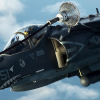
AV-8B Harrier II receives fuel over Iraq (Inherent Resolve)

Coalition Strikes Target ISIL Terrorists in Syria, Iraq

U.S. and coalition military forces continued to attack Islamic State of Iraq and the Levant terrorists in Iraq and Syria yesterday, Combined Joint Task Force Operation Inherent Resolve officials reported today.

Officials reported details of the latest strikes, noting that assessments of results are based on initial reports.

Strikes in Syria

Attack, fighter, ground attack and remotely piloted aircraft conducted 11 strikes in Syria:

  • Near Raqqah, a strike destroyed an ISIL oil pumpjack.
  • Near Manbij, nine strikes struck two separate ISIL tactical units and an ISIL improvised explosive device factory and destroyed 26 ISIL fighting positions, an ISIL mortar position, two ISIL vehicles, an ISIL supply cache and three ISIL tunnels.
  • Near Washiyah, a strike struck an ISIL weapons production factory.

Strikes in Iraq

Bomber, fighter, ground attack and remotely piloted aircraft and rocket artillery conducted 13 strikes in Iraq, coordinated with and in support of Iraq’s government:

  • Near Baghdadi, a strike struck an ISIL bed-down location and an ISIL weapons cache.
  • Near Albu Hayat, a strike struck an ISIL weapons cache.
  • Near Fallujah, three strikes struck three separate ISIL tactical units; destroyed five ISIL fighting positions, five ISIL vehicles, an ISIL heavy machine gun, three ISIL heavy machine gun positions, two ISIL recoilless rifles and an ISIL mortar system; and denied ISIL access to terrain.
  • Near Hit, a strike struck a large ISIL tactical unit; destroyed two ISIL fighting positions, an ISIL anti-air artillery piece, an ISIL vehicle and two ISIL weapons caches; and suppressed an ISIL machine gun position.
  • Near Mosul, three strikes struck three separate ISIL tactical units; destroyed two ISIL fighting positions, eight ISIL assembly areas, five ISIL vehicles, an ISIL command-and-control node, an ISIL vehicle bomb facility, three ISIL vehicle bombs and an ISIL heavy machine gun; suppressed an ISIL mortar position and an ISIL light machine gun position; and denied ISIL access to terrain.
  • Near Sultan Abdallah, a strike struck a large ISIL tactical unit and destroyed an ISIL vehicle, two ISIL assembly areas, an ISIL mortar system, three ISIL supply caches and an ISIL IED factory.
  • Near Tal Afar, three strikes struck an ISIL tactical unit.

Task force officials define a strike as one or more kinetic events that occur in roughly the same geographic location to produce a single, sometimes cumulative, effect. Therefore, officials explained, a single aircraft delivering a single weapon against a lone ISIL vehicle is one strike, but so is multiple aircraft delivering dozens of weapons against buildings, vehicles and weapon systems in a compound, for example, having the cumulative effect of making those targets harder or impossible for ISIL to use. Accordingly, officials said, they do not report the number or type of aircraft employed in a strike, the number of munitions dropped in each strike, or the number of individual munition impact points against a target.

Part of Operation Inherent Resolve

The strikes were conducted as part of Operation Inherent Resolve, the operation to eliminate the ISIL terrorist group and the threat they pose to Iraq, Syria, and the wider international community. The destruction of ISIL targets in Syria and Iraq further limits the terrorist group's ability to project terror and conduct operations, officials said.

Coalition nations that have conducted strikes in Iraq include the United States, Australia, Belgium, Canada, Denmark, France, Jordan, the Netherlands and the United Kingdom. Coalition nations that have conducted strikes in Syria include the United States, Australia, Bahrain, Canada, France, Jordan, the Netherlands, Saudi Arabia, Turkey, the United Arab Emirates and the United Kingdom.

(Source: US Dept of Defense)

Posted in Security 4 Comments

ScreenHunter_3563 May. 27 11.45

eServGlobal and Zain win GTB Innovation Award

eServGlobal and the Zain Group have been named as winners of a Global Telecoms Business Innovation Award for mobile money deployments in Jordan and Iraq.

The Global Telecoms Business Innovation Awards recognise innovative projects in the global telecommunications industry, highlighting the collaboration and partnership between operators and vendors. The award winners were announced during a ceremony held in London on 25 May.

eServGlobal and Zain were recognised for launching a new service, which allows users to access convenient and secure financial services through their mobile. Through the service, called 'Zain Cash', customers can have a mobile wallet linked to their SIM card, enabling financial transactions easily and at any time (Cash-In/ Cash-out, transfer money from wallet to another, recharge for prepaid account & bill payment for postpaid account). 

Zain Cash is currently live at Zain operations in Jordan and Iraq and aims to provide a mobile wallet to millions of customers in the two countries in coming years. The service is built on eServGlobal's flagship technology platform, PayMobile.

eServGlobal's PayMobile is an end-to-end platform for mobile financial services and advanced recharge. It is a market-proven, state-of-the-art platform which currently supports deployments around the world, adapting to the differing needs of each market.

James Hume, CTO, eServGlobal, said:

"The collaboration between eServGlobal and Zain highlights what can be achieved when two innovative companies work together to launch life-changing services. Early customer reception for Zain Cash has been positive. eServGlobal is proud to be recognised as a leader within the rapidly developing space of mobile financial technology. We look forward to continuing our work with Zain to launch these services in more markets."

Scott Gegenheimer, CEO fo Zain Group, said:

"This recognition confirms Zain's position at the forefront of the mobile money revolution in the region and that eServGlobal are the right partners for our continued success in this space. We are not just innovating for innovation's sake, but that the services and initiatives we are developing are really impacting people's lives positively, further supporting our aspirations on becoming a digital lifestyle operator."

eServGlobal has a framework agreement with the Zain Group to provide an end-to-end mobile money and EVD (electronic voucher distribution for prepaid rechage) solutions across Zain Group's operations.

Mobile financial services have a transformational effect on unbanked populations as they open financial systems to formally excluded population segments. This kind of change is crucial in emerging markets where financial inclusion is key to economic development.

Mobile money, mobile financial services, mobile recharge and distribution are key elements in the Zain Group strategy. Zain Group coverage extends to more than 45.5 million customers spanning Kuwait, Bahrain, Iraq, Jordan, Lebanon, Saudi Arabia, South Sudan and Sudan. Notably, in several of Zain's markets, over 90% of the population does not have access to banking facilities.

(Source: eServGlobal)

Posted in Iraqi Communications News Comments Off on eServGlobal and Zain win GTB Innovation Award