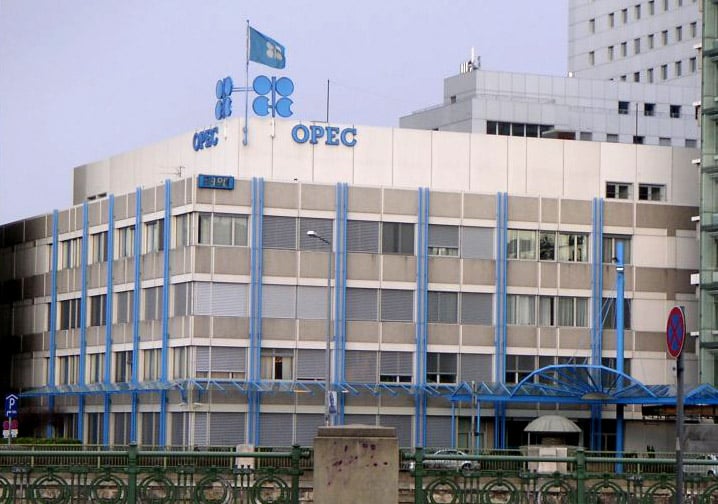
Crude oil markets have no room for additional supplies this year, the Organization of the Petroleum Exporting Countries (OPEC) said on 9 June, as it reported that its members had increased output last month.
No Room for More Crude Oil in Markets
Crude oil markets have no room for additional supplies this year, the Organization of the Petroleum Exporting Countries (OPEC) said on 9 June, as it reported that its members had increased output last month.
Iraq, the only OPEC member not subject to quotas, experienced the largest rise in the month, with 121,300 barrels a day.
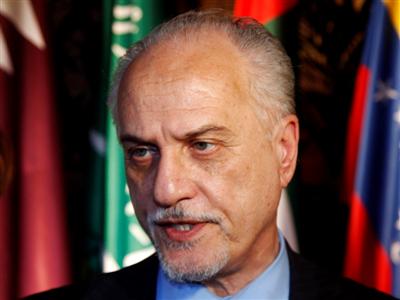
Iraq's Oil Minister said on Monday current crude prices were fair and not too high to hinder global economic recovery, but added that he was not very happy with OPEC members' compliance with production quotas.
“It’s not expected that there will be much oil available from other parts of the world,” he said. “Any additional demand, particularly from Asia, will have to be met by Iraq.”
An OPEC quota of 6 million barrels per day (bpd) will be too low for Iraq and it expects its quota to be no less than that of OPEC's most influential member Saudi Arabia, Iraq's oil minister said on Thursday.
The monthly report from the Organization of the Petroleum Exporting Countries, which pumps more than one in every three barrels of oil, said demand would rise by 950,000 barrels per day (bpd) in 2010, 50,000 bpd higher than previously forecast.
Iraq sees no need to even discuss an Opec quota until its output reaches 4 million barrels per day (bpd) so any talk of a specific limit before then is premature, the country's oil minister said.
OPEC is a maddeningly opaque outfit; its public pronouncements frequently seem carefully crafted to conceal its private calculations. The 12-member cartel controls about one-third of the world’s daily oil supply — not quite enough to give it absolute control over the price per barrel, but enough to allow it to consistently manipulate the price to […]
The article takes a look at the energy prospects in Iraq, whose government aims to more than double oil production in the coming five years. While security and political constraints abound, production is inching up in Iraq, and recipients of 2009 oil-servicing contracts are beginning operations. Severe infrastructure shortfalls remain, however, and the pressure to […]
Total OPEC supply rose 40,000 bpd to 29.25 mbpd, with Nigerian output jumping by more than 100,000 bpd as domestic refineries resumed production.
The storm brewing on the Organization of Petroleum Exporting Countries (Opec's) horizon over future Iraqi oil output could engulf the producer group sooner than it would like.
In Vienna for an OPEC meeting last week, Shahristani said Baghdad would participate in OPEC agreements to curb oil supply when output reached 4 million bpd, some 8 million bpd short of Iraq's envisaged target.