


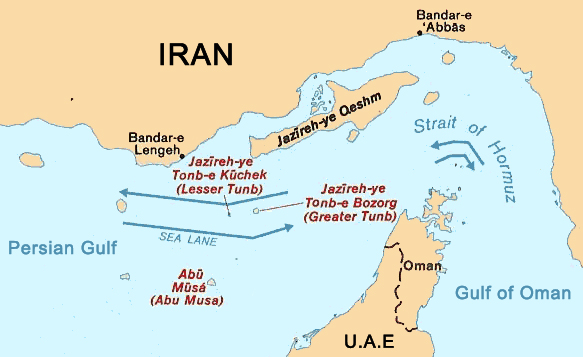
“Iraq now has a big role to play in resolving this crisis and saving OPEC from collapse,” Ibrahim Bahr al-Ulum, the previous Iraqi oil minister, told NIQASH. “The situation in the Arab Gulf is catastrophic because of Iran’s threats to close the strait.”
Bahr al-Ulum believes that Iraq should use its regional and international contacts to convince Iran to abandon its threat to close the vital waterway. “Iraq could also call on the [OPEC] member states to convene an extraordinary meeting to discuss this issue,” he suggested.
According to statistics from Iraq’s Ministry of Oil, the country is currently exporting around 2.6 million barrels of oil a day. Of this around 2.2 million are coming from out of the Basra region, which boasts several large oil fields - and most of this oil is being transported through the Hormuz Strait. The rest tends to travel through the land locked Kirkuk-Jihan pipeline in the north of Iraq, by the Turkish border. There are other ports in Iraq but most of them remain out of use or unsuitable for oil exports.
“Closing the Strait of Hormuz would undoubtedly affect Iraq,” Kurdish MP Farhad al-Atrushi, a member of Iraq’s parliamentary committee on oil and gas, explained. “Two thirds of exported Iraqi oil is transported through this strait.
Oil revenues make up around 96 percent of Iraq’s national income, making it heavily dependent on oil exports; the country simply cannot deal with any delays or blockades in its exports. Additionally the Iraqi government is the biggest employer of its own people and needs the oil money to pay wages.
“The national budget for 2012 depends on oil revenues and if exports decrease even for few days Iraq will suffer,” al-Atrushi continued. “Most of the Iraqi budget goes to pay the salaries of nearly five million government employees. Any imbalance in oil revenues will impact on this class of the society and also on the prices of items like food.”
Comments are closed.