


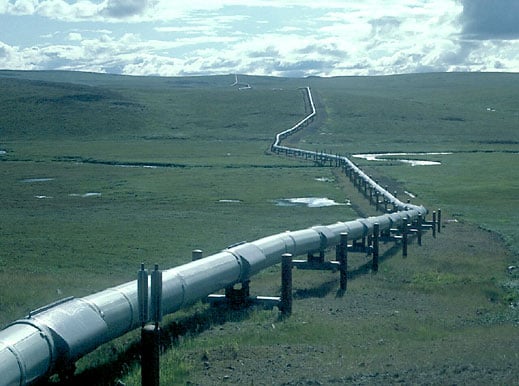
In recent weeks, high ranking Iraqi Kurdish politicians have practised a kind of shuttle diplomacy between Turkey and Iraqi Kurdistan and statements have been made that indicate an increasing closeness between Erbil and Ankara and the growing distance between Baghdad and Erbil.
Both Iraqi Kurdistan, and now the Turkish, have sheltered the Iraqi Vice President Tariq al-Hashimi, against whom al-Maliki issued an arrest warrant late in 2011, sparking a political crisis. It appears that mainly Sunni Muslim Gulf countries like Qatar and Saudi Arabia are also happy to see Turkey causing trouble for al-Maliki’s government. Additionally Turkey has expressed its opposition to the conflicted Syrian regime whereas Iran has been more supportive; the Iraqi government has been mostly treading the stormy diplomatic waters in-between.
Nonetheless, although the pipeline deal has been announced, it is not yet clear what is driving such a deal for Turkey. Some have described current Turkish foreign policy as “neo-Ottoman-ism”.
Does Turkey intend to isolate PKK? Or it is a political statement aimed at Baghdad, and indirectly at Iran, a country that continues to become more influential in Iraq? Or both? At the moment, Turkish motives seem to involve a combination of all of the above but it is hard to say which is the major driving force for Ankara at the moment.
Meanwhile Iraqi Kurdistan have made it clear that they are eager to further strengthen the bilateral relationship with Turkey and that they relish the idea of being able to sell oil and gas directly to Turkey, and then on to Europe. However the red line for the Kurdish leadership is using military force against PKK.
One thing that is clear is that sooner or later Iraqi Kurdistan’s oil must reach the market. Comments made by Tony Hayward, former CEO of BP and current CEO of Genel Energy, a Turkey-based oil company with interests in Iraqi Kurdistan, at Iraq Petroleum 2012 indicate that many believe this. Hayward seemed to be covertly critical of Baghdad’s role in preventing international oil companies from operating in Iraqi Kurdistan – but as Hayward said, it would only be a matter of time before the oil made it to market.
His remarks sum up the inevitable and make it clear that it is in Turkey’s interest to take advantage of its strategic position as an energy transit nation – something the Turkish would love the Europeans to take serious note of too. And Turkey’s energy hunger, combined with the potential economic advantage, makes the possibility of a Kurdish-Turkish pipeline more than just a pipe dream.
(Source: NIQASH)
Comments are closed.