


NORTH
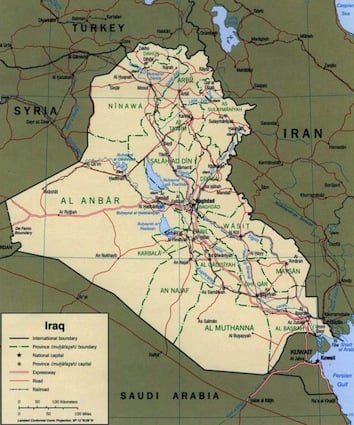
In the north rumours continue to abound regarding the possibility of an official ceasefire between PKK and Turkey. As a result there has been limited Turkish military activity, in contrast to previous weeks. This week did however see a significant incident occur in Erbil, which traditionally has been by far the most stable part of the region. 05 March saw a VBIED detonation on the road in Kasnazan, east of the provincial capital. The attack targeted a Peshmerga Colonel who was reported seriously wounded as a result. The rigour and robustness of the Kurdish security services tends to preclude all but the most well planned and sophisticated attacks suggesting that it is more likely that the device was in planted on the victim’s car whilst on a visit to Kirkuk.
In Nineveh violence remained on par with last week with a familiar blend of SAF and IED attacks taking place, as well as attacks against oil infrastructure. This last attack was the fourth in as many weeks to affect the Hammam al-Alil area and is undoubtedly the work of a local cell. The focus in Nineveh this week was the standoff between the Peshmerga and the fledgling ISF ‘al Jazeera’ Force which was to be located in Sinjar, western Ninenveh. Despite contradictory reporting by Baghdad it would appear the force was actually prevented from deploying by the Peshmerga but the situation remains unclear. Whilst Baghdad maintains that the force was deployed as part of bolstering measures following events on the Syrian border it is also presents a convenient opportunity to further pressurise the KRG. Further afield in Nineveh the Syrian conflict once again spread across into Iraq with gun battles erupting around the Syrian Yaaribiya and Iraqi Rabia crossing points. This exchange resulted in further casualties for the Syrian Army whose troops retreated into Iraq with some of the wounded being treated in Iraqi hospitals.
Kirkuk remained relatively quiet during the week with what violence there was mainly attributed to the killing of a senior militant commander. On 5 March the ISF clashed heavily with elements of the Sunni Ansar al-Sunnah insurgent group 20km south west of Kirkuk, during which one of its senior commanders was killed. Directly attributed to this were 2 subsequent VBIED explosions in Kirkuk which killed 5 IPS officers and wounded 6 others. This was followed by a follow up attack against another IPS patrol wounding 7 officers.
The local war of attrition against between ISF and Sunni insurgents continued unabated this week with increased IA operations amidst a spate of SAF attacks against prominent civilians and ISF personnel. 08 March saw the 4 IA Division conduct a security cordon around Samarra, which resulted in clashes, and the confirmed killing of six insurgents and the find of a significant weapons cache. Also of note has been an unusually high number of insurgent ‘own goals’, which has resulted in the deaths of at least 15 insurgents due to premature detonation of IED devices.
Diyala province was quieter this week however there remained an undercurrent of insurgent activity in key provincial hotspots around Baqubah and Muqdadiyah as the focus for insurgent operations has shifted further south possibly due to increased pressure from ISF in the north. Of note, in Diyala up to 200 Shia and Sunni tribal leaders signed a charter of honour (in a similar yet smaller move to the Sons of Iraq Awakening) that forbids the shedding of Iraqi blood and rejects violence and extremism. This is aimed at further de-legitimising Al Qaeda in Iraqbut also forbids giving shelter to armed militants, and general support or exploitation of the tribal regions.
Comments are closed.