


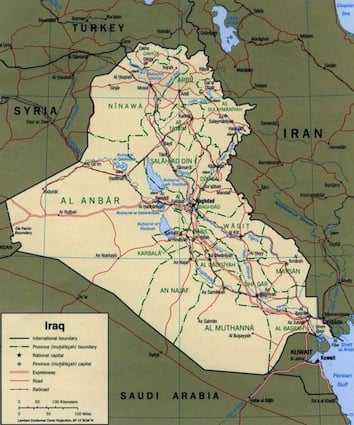
Further afield in the country's far north events that have a direct effect on northern security have started to unfold. Kurdish militants began to withdraw from Turkey on Wednesday, pursuing a peace process meant to end a three-decade insurgency that has killed 40,000 people, ravaged the region's economy and tarnished the country's image abroad. Turkish security forces manned checkpoints along the mountainous border with Iraq, keeping watch as the agreed pullout started by the first small groups of up to 2,000 Kurdistan Workers Party (PKK) fighters.
The withdrawal, ordered late last month by top PKK commander Murat Karayilan, is the biggest step yet in a deal negotiated by the group's jailed leader Abdullah Ocalan with Turkish officials to end almost 30 years of conflict.
Baghdad has rejected the deal; warning that the entry of more armed Kurdish fighters could harm Iraq's security and add tension to already souring relations between the KRG and the central government.
During a session Tuesday, the Iraqi Cabinet reiterated its rejection of the deal and of the presence of PKK fighters, saying it "represents a flagrant violation of Iraq's sovereignty and independence." This said the central government's ability to intervene directly in the northern enclave is extremely limited given the influence and control that the KRG has over the region, but Baghdad's statement is the first indication of its stance on the process that has raised hopes of peace. "The Iraqi government ... does not accept the entry of armed groups into its territory that could be used to impact the security and stability of Iraq or neighbouring states," the Ministry of Foreign Affairs said in a statement on its website, however in tacit acceptance of their lack of control and influence in the north Baghdad nonetheless said it welcomed a non-violent political settlement to the 28-year insurgency.
Comments are closed.