


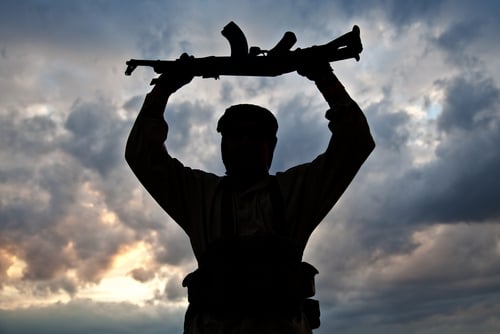
The huge symbolic role of each of the conflicting parties’ names represents the truth behind the virtual conflict and the massive power of religion and history in sparking wars in Iraq. The names of many historical figures and heroes in historical tales have been adopted again to designate people or groups participating in the current fight. Mukhtar al-Thaqafi (622-687), Zoroastrians and Iranian Safavids are on one side of the fight, versus Umar Bin Khattab (579-644), Khalid bin Walid (592-642) and Salah Eddine al-Ayoubi (1138-1193). The resulting image is distorted and random and reflects the imaginations of the conflicting groups.
Public speakers on behalf of both Sunni and Shiite sects feel obliged to create generalizations and identities that only exist in their “Don Quixote-esque” imaginations. Sunnis have turned into one unified entity facing Shiites, and the same applies to Arabs facing Iranians or the western region facing the southern provinces, not to mention other illusions that have nothing to do with the historical reality or the current situation of the country. These misapprehensions conceal the presence of a large Shiite group that opposes the government’s military operations in Sunni regions or condemns the government’s political and military accomplices in the military and security confrontations against the Sunni regions.
The conflict in Iraq has turned into a conflict between idealism and realism, between madness and rationality and between illusion and reality. All sides of this ideologized conflict are defying the initiators of realistic and pragmatic projects. Moderate people propose projects that aim at solving the crises, but they are not widely welcomed. The loud voices of extremists of both sects have been drowning them out.
(Terrorism image via Shutterstock)
Comments are closed.