


The absence of parallel dialogue and communication channels in this environment, and the ongoing departure of influential figures from the country to play new roles abroad while severing all links with the state, was a direct cause of the unfolding situation.
It should be noted that the state has managed, despite all the criticism, to open secret dialogue and communication channels with various Shiite militias. The US has considered some of the channels a rapprochement happening under the banner of terrorism. However, these dialogues have, to a large extent, changed the way these groups are dealt with on a political level.
Politicians in the country have become estranged, refusing to sit for direct dialogue or to at least open undeclared channels to exchange ideas and solutions.
Moreover, relations have been severed even within the ranks of the main political components for long periods of time.
In light of the political and security turmoil in Iraq, the state remains absent and is not taking up its role as a sponsor of parallel dialogues and communication channels between individuals, groups and states. The state does not have the ability to start an initiative or try to produce solutions.
The truth of the matter is that any political or military solution ought to be prepared from outside the media framework and outside the scope of political meetings. This mission should be associated with the state’s political and intelligence devices, which can provide various solutions.
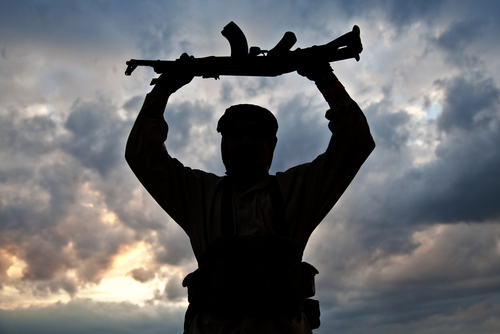
(Crisis image via Shutterstock)
Comments are closed.