


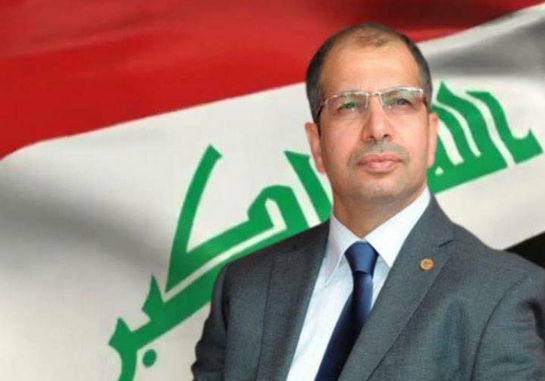
Abadi, Massoum and Jabouri have witnessed a history of calm, moderation and the avoidance of political and sectarian conflicts, clearly foretelling the nature of the upcoming phase.
Though brief, the Iraqi “consensus” phase succeeded in reaching a fair agreement on oil revenues and the budget between Baghdad and the Kurdistan Regional Government (KRG) after years of conflict. This is a positive index to measure the possibility of reaching agreements on the basis of common interests and fair solutions.
A healthy environment generates healthy positions, as evidenced by the absence — or, rather, limited to the Iraqi political scene — of treason and accusations, as well as the presence of Sunni and Kurdish supporters of the Shiite prime minister; Shiite and Kurdish supporters of the Sunni speaker; and Arab supporters of the Kurdish president.
It is true that the country is facing the threat of the Islamic State and that the atmosphere is veering toward war, not calm — however, Iraqi achievements in this crucial moment deserve attention. Instead of leaders seeking to acquire more power and suppress freedom during times of war — or even committing massacres and eliminating opponents — Iraqi leaders are behaving differently.
In a moment that could have led to the emergence of a dictator who would have escalated the situation to a religious war, the Iraqis, with international support, were able to come to a consensus; the agreement between political blocs on the September 2014 government formation is an example of where mutual concessions can lead.
Comments are closed.