


The quota system to establish political consensus only serves the interests of political blocs and parties at the expense of impartially getting to the core of major issues. If the committee on Mosul operates according to the pressures of the quota system, it will be forced in the direction of political consensus and compromise, and thus have little chance of finding fault or causes for the fall of the city.
As soon as the Iraqi parliament declared its intention to conduct investigations into events surrounding Mosul, some of those following the issue expressed the concern that such a step would lead to politicization and downgrading of the process. The Iraqi judiciary voiced its opposition to parliament taking the lead in the investigation in a statement by chief prosecutor Mohammad Qassim al-Janabi that was reported Jan. 13 by local and Arab media outlets.
The judiciary asserted that civil prosecution should not be invoked in the case of Mosul, because it was a military matter involving military leaders and officers abandoning their positions. Therefore, the case should be dealt with by military courts.
Fayyad concluded that the committee, in its current shape and composition, will be unable to achieve the desired goals. He said that to address the issue, the committee should be reconstituted on valid legal grounds and include experts from outside parliament.
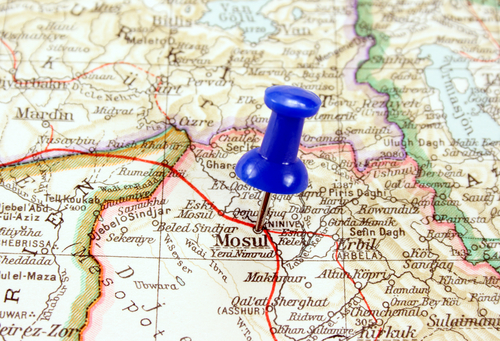
(Mosul image via Shutterstock)
Comments are closed.