


He said, “The month of Ramadan was able to show the cohesion of sects and … their children, while most of the media continue to convey division along sectarian lines.”
Sheikh Majed al-Kelabi of Babil told Al-Monitor, “Social solidarity and helping the poor during the month of Ramadan, in particular, are traditions that have been practiced by the residents of these areas for decades.”
In a similar example of solidarity among different sects, when Ali al-Sharifi finished reading the Quran after the iftar at al-Zahraa mosque in Hillah, he pointed out three of his Sabian friends who are original residents of the city, and called them “a true example of brotherhood among sects.”
One of these Sabians, Adel Daoud, told Al-Monitor he fasts during Ramadan along with Muslims and joins their religious rituals. He said he believes it is a duty imposed by their coexistence in one country, adding, “Iraqis never knew sectarianism and lived for hundreds of years as the children of one nation.”
While wandering around central and southern Iraq, one will notice how all Iraqis fear that the dangers of sectarianism will come knocking on their doors. Perhaps the hospitality expressed by the residents of these cities toward dozens of displaced families from different sects grows out of this concern.
It seems that the month of Ramadan has strengthened humanitarian ties among different sects in Iraq and reinforced their ability to cooperate to overcome times of crisis.
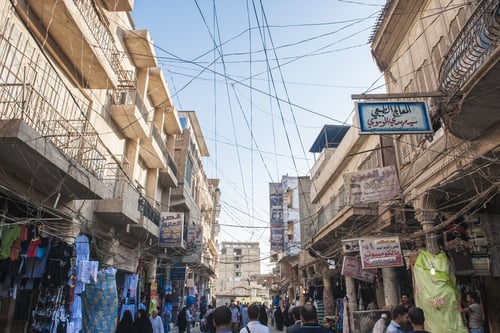
(Najaf image via Shutterstock)
Sunnis, Shiites show Unity in Najaf: By Wassim Bassem for Al-Monitor. Any opinions expressed are those of the ... http://t.co/kxuIOOJerx
DTN Iraq: Sunnis, Shiites show Unity in Najaf: By Wassim Bassem for Al-Monitor. Any opinions expressed are tho... http://t.co/Va9PBMZXHZ
#Iraq: Sunnis, Shiites show Unity in #Najaf
http://t.co/1VIWdOy0gr