


The hyperfragmentation of the Iraqi state and society leads to fundamentally different challenges to stabilization than does a tripartite end-state. Competing groups are not only seeking greater self-rule, but are engaging with regional actors, namely Turkey, Iran and the Gulf states, to advance their political agendas and economic interests — while they also remain legally and financially dependent on Baghdad. These dynamics are reinforcing fragmentation, further hindering reconciliation and encouraging proxy conflicts and regional tensions.
Under these conditions, stabilization efforts should focus on strengthening state institutions and determining how the various component parts can live together. They should prioritize territorial federalism and decentralization, particularly by enhancing local institutions and the capabilities of provincial and regional administrations.
This effort may also require creating new provinces and districts to reflect territorial and demographic shifts and the deep distrust that has emerged within communities. At a minimum, it will demand new revenue-sharing, development and security arrangements that empower local leaders in coordination with Baghdad, and which encourage the necessary deal-making across communities.
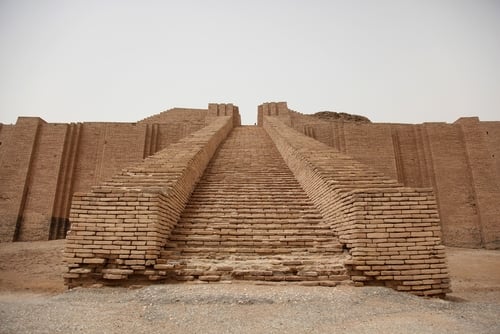
(Ziggurat of Ur image via Shutterstock)
Comments are closed.