


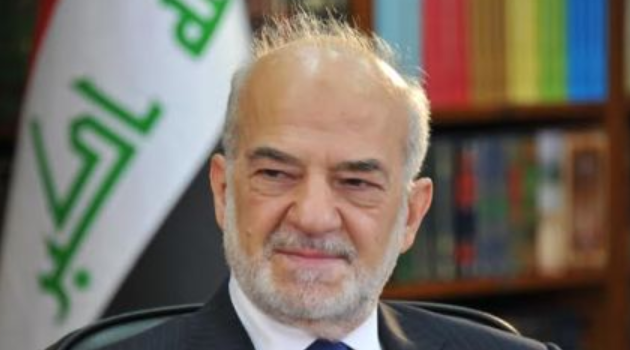
Iraq offered to mediate in January 2016, notably after tensions rose between the two countries in the aftermath of the attack on the Saudi Embassy. At that time, Jaafari said, “The recent feud involving Iran and Saudi Arabia led Iraq to immediately take the initiative,” adding that the Iraqi Cabinet decided to react quickly in order to defuse the tension between Iran and Saudi Arabia, but to no avail. Germany attempted a mediation in February, one that also proved unsuccessful due to the lack of response on both sides.
The question is whether the time has come for mediation between Iran and Saudi Arabia. Is Iraq impartial and capable enough to influence the two countries’ positions, and therefore achieve a reconciliation?
The answer to this question depends on whether the two sides are willing to achieve reconciliation. In fact, both need to overcome their differences amid the current circumstances and reach a settlement — even partial — on specific matters. This has indeed taken shape in the two countries’ agreement to curb oil production during the OPEC meeting in Algiers on Sept. 28.
This agreement resulted in the largest cut in oil production since 2008; hence the considerable price increase. Economic interests brought the two rivals to the negotiation table, yielding an unprecedented agreement in the midst of the exacerbating crisis between them.
As for the hajj stampede, head of the Iranian hajj mission Seyed Ali Qadi Askar announced Jan. 10 that he had received an invitation via Saudi Arabia’s consulate in New York to hold meetings to discuss plans for the 2017 hajj. Iranian hajj pilgrims were estimated at 60,000 in 2015, which is one of the largest numbers of pilgrims from a single nation, not to mention the sizable number of Iranians visiting Mecca and Medina regularly each year.
Comments are closed.