


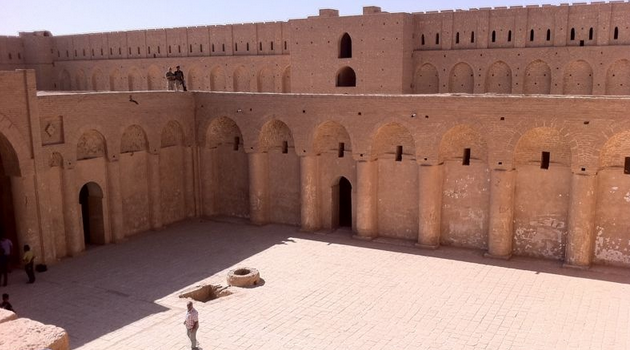
Hussein Jawad, the head of the tourist department in Karbala’s council, told Al-Monitor, “This interest in seeking to add Karbala’s archaeological sites to the World Heritage [list] is a legitimate right, given the great historical importance of Karbala, before and after Islam. Karbala became a holy city for Muslims since the death of the Shiite Imam and the son of the prophet’s daughter in 680 [Hussein bin Ali], whose grave lies in this city today and is visited by thousands of Muslim pilgrims every year.”
He added, “By joining the World Heritage list, we seek to introduce the world to the city’s history. Also, this would protect the city’s cultural heritage, lead to financial and technical support, and encourage international exploration groups to visit the area and reveal its historical secrets.”
He also noted that “a national strategy is being developed for the maintenance of these monuments, so that they can meet UNESCO’s [World Heritage] list requirements. This will be done with the help of international experts, who will make field visits to examine the monuments in the upcoming period.”
He said, “We also hope that Karbala’s relics and monuments would later constitute an important source of income for the city, after the launch of the archaeological tourism sector as well as the religious tourism, which is known in the city."
However, the aspirations to add Karbala’s archaeological monuments to the list of World Heritage sites remain far-fetched given the poor conditions and dilapidation of these relics because of weather, illegal excavations and major neglect.
Comments are closed.