


Ali Akram al-Bayati, a spokesman for the United Nations High Commissioner for Human Rights in Iraq, told Al-Monitor, “There is confusion in the social and legal assessment of the work of girls.”
He pointed out, “The right to work is guaranteed in accordance with international conventions and the constitution. The state has to provide suitable conditions in order for citizens, especially women, to have access to financial resources that allow them to live above the poverty level.”
Bayati added, “The social status of girls is still weak, and they may fall prey to exploitation because of poverty and destitution."
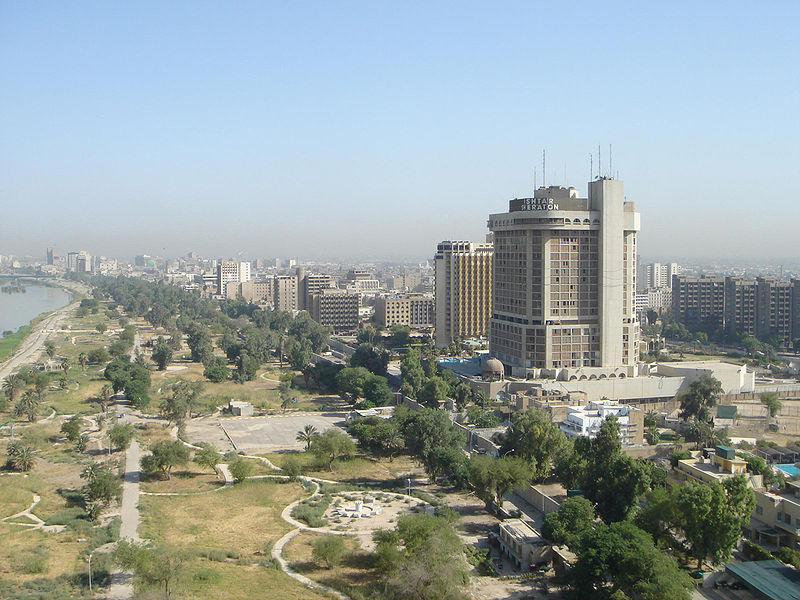
His point of view coincides with that of a resident of Baghdad's Karrada district, where nightclubs and casinos are widely spread. Karrada residents complained to authorities about the "recreational places,” she told Al-Monitor on condition of anonymity. She confirmed the clubs employ "girls who pretend to work as waitresses or female service workers but do otherwise behind the scenes."
Ali Jaber, a legal expert and former judge, told Al-Monitor, “Iraqi laws protect girls who are 15 years old and above during their work in cafes, casinos and other sectors that are approved by the Ministry of Tourism and security authorities.” But to many people, the only acceptable jobs for women are in certain home-related sectors or government departments. Those who work in shops, cafes, entertainment, nursing or the transportation sector (taxi/truck drivers) continue to be conspicuously frowned upon.
Comments are closed.