


By John Lee.
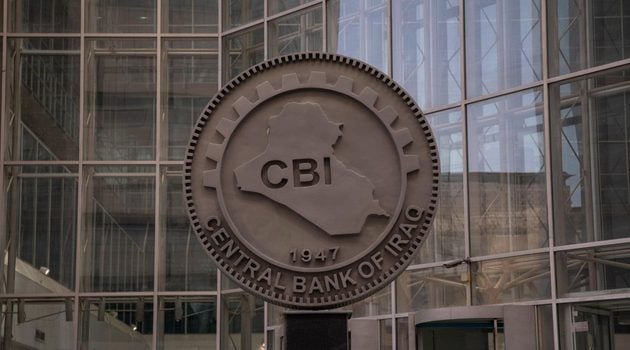
The Central Bank of Iraq (CBI) has issued a clarifying statement rejecting characterisations of its treasury discounting operations as currency printing, and reaffirming its commitment to monetary stability.
In a statement on Sunday, it said discounting treasury bills provides temporary liquidity against an existing government debt instrument, which is recovered at maturity. The bank says this is an internationally recognised financial mechanism used by major central banks, and is fundamentally different from printing currency. Printing money, it explains, involves issuing new notes without backing, which is injected directly into the economy, causing inflation and currency depreciation. Such activity is expressly prohibited under CBI Law No. 56 of 2004.
The bank affirmed that its primary role is the management of monetary policy and the preservation of monetary stability, price stability, and the integrity of the financial system, rather than serving as a permanent channel for financing public expenditure. It added that any use of financial instruments in exceptional circumstances is conducted in a disciplined manner consistent with the requirements of the national economy, with care taken to ensure that fiscal pressures do not translate into permanent monetary expansion or inflationary pressures affecting citizens' purchasing power.
The CBI also called on media outlets to exercise accuracy when reporting on matters relating to the local currency, its management, issuance, and value preservation. It stressed that currency management procedures are conducted daily in full alignment with the bank's overarching goal of maintaining financial and economic stability.
The statement concluded by underscoring the importance of adopting long-term fiscal policies aimed at building adequate financial buffers to withstand economic shocks and volatile oil cycles, through economic diversification, revenue stream broadening, and efficient public debt management.
(Source: Central Bank of Iraq)



Comments are closed.