


By John Lee.
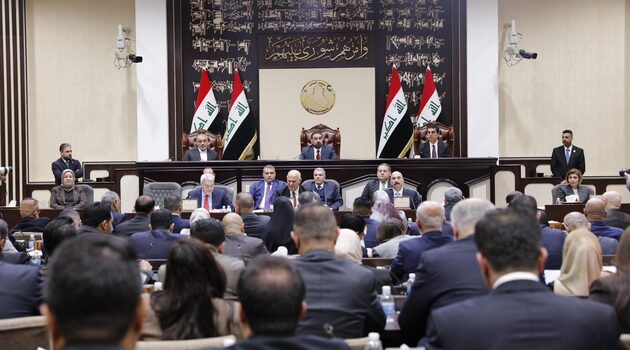
The Iraqi Parliament has held a session to discuss Iraq's water crisis and drought conditions, with the participation of the Minister of Water Resources and the Undersecretary of the Ministry of Foreign Affairs.
The session reviewed the impact of climate change, declining rainfall, and upstream water management on Iraq's water security. The Minister of Water Resources, Aoun Dhiab Abdullah, said Iraq is experiencing its most severe water conditions this year, noting the absence of any binding agreement with Turkey on fixed water-sharing quotas.
He outlined priority measures to address shortages, including seawater desalination for southern provinces, wastewater treatment and reuse, and modernising irrigation methods to replace outdated practices.
Discussions also covered the framework agreement signed between Iraq and Turkey. The Ministry of Water Resources indicated that the agreement does not yet amount to a formal water-sharing treaty. The Undersecretary of the Ministry of Foreign Affairs, Mohammed Bahr Al-Uloom, said the framework addresses multiple areas, including cross-border water, climate change, agriculture, and cooperation mechanisms, and aims to support fair and efficient use of shared water resources and joint infrastructure projects.
Key issues raised during the session included:
- The need for new dams to reduce water losses
- Linking water-sharing discussions with broader economic relations with Turkey
- Submitting agreements to parliament prior to signature
- Ensuring adequate budget allocations for water, agriculture, and housing projects in the 2026 budget
- Fair distribution of water resources among provinces
Members of parliament also questioned progress on the seawater desalination project for Basra, the use of rainfall and dam storage, and measures to address salinity. Calls were made to form a parliamentary committee supported by experts to develop an integrated national approach to water management.
(Source: Iraqi Parliament)
Comments are closed.