


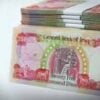
Dinar RV: Will Iraqi Election Speed the Process?
Posted on 29 October 2025 .
By Guest Blogger. Any opinions expressed are those of the author(s), and do not necessarily reflect the views of Iraq Business News.
Dinar RV: Will Iraqi Election Speed the Process?
For years, speculators in Iraqi dinar have clung to the dream of an imminent "revaluation" or "RV" that would dramatically increase the currency's value overnight, transforming modest investments into massive windfalls. With each Iraqi election cycle, a familiar refrain emerges in dinar speculation communities: Could this political event finally trigger the long-awaited RV?
The RV Fantasy
The concept of a dinar revaluation rests on a fundamental misunderstanding of how currencies and economies work. Proponents believe Iraq will suddenly revalue its currency at rates that would make it one of the world's most valuable -- sometimes claiming it will reach or exceed the value of the US dollar. These expectations are not grounded in economic reality.
Iraq's economy, while resource-rich, faces significant challenges, including:
- Ongoing political instability
- Infrastructure damage from decades of conflict
- Heavy dependence on oil revenues
- High unemployment and inflation
- Corruption and governance issues
A massive currency revaluation would be economically catastrophic for Iraq, making its exports uncompetitive, thus crippling its economy.
Why Elections Don't Trigger Currency Miracles
Dinar speculation communities often point to elections as potential catalysts for revaluation, but this connection is purely imaginary. Elections in Iraq, like elsewhere, are political processes that may lead to policy changes over time, but they don't directly cause currency revaluations.
Central banks adjust currency values based on economic fundamentals, not political calendars. The Central Bank of Iraq (CBI) has repeatedly stated it has no plans for a dramatic revaluation. When currencies do appreciate, it happens gradually through market forces or careful central bank management -- never through the sudden, massive jumps that dinar speculators envision.
The Real Winners
The true beneficiaries of dinar RV speculation are not the hopeful investors, but the dealers and promoters who sell dinars at enormous markups and profit from spreading false hope. These dealers often charge commissions of 20% or more above the actual exchange rate, making money regardless of whether any revaluation occurs.
Many promoters operate through websites, YouTube channels, and conference calls where they perpetually claim the RV is "imminent," citing fabricated insider information, misinterpreted news stories, or completely fictional sources. When predictions fail, they simply move the goalposts and set new dates.
A Pattern of False Promises
The dinar RV community has a long history of failed predictions tied to specific events:
- "It will happen after the new government forms"
- "It will happen when Iraq exits Chapter VII sanctions" (which occurred in 2013 with no RV)
- "It will happen when the budget is published"
- "It will happen after the election"
Each milestone comes and goes without the promised revaluation, yet believers remain convinced the next event will be different.
The Bottom Line
Iraqi elections, like any other political event in Iraq, will not trigger a dinar revaluation. The RV is a speculative fantasy that ignores basic economic principles and preys on people's hopes for quick wealth.
If you're holding Iraqi dinars hoping for an RV:
- Understand that you've likely already lost money through dealer markups
- Recognize that the dinar may appreciate modestly over many years, like any currency, but will not suddenly skyrocket in value
- Be skeptical of anyone claiming insider knowledge or setting specific dates for revaluation
- Consider whether your money might be better invested in legitimate, diversified assets
The Iraqi dinar is an exotic, illiquid currency from a developing nation with significant economic and political challenges. Elections may bring political change, but they won't transform bad investments into good ones through magical currency revaluations that violate economic reality.
The sooner investors recognize the RV for what it is-an unrealistic expectation perpetuated by dealers profiting from hope-the sooner they can make informed financial decisions based on reality rather than fantasy.
For more information on the Iraqi dinar, check out IBN's Dinar Page here: https://www.iraq-businessnews.com/the-dinar-page/?swcfpc=1
See also:
Iraqi Central Bank Reduces Supply of Dinars
Trump & Crypto: Will Bitcoin's Success Translate to the Iraqi Dinar?
Posted in Iraq Banking & Finance News 4 Comments

The Iraqi Dinar Revaluation Deception: 10 Persistent False Claims Exposed
Posted on 28 September 2025 .
By Guest Blogger. Any opinions expressed are those of the author(s), and do not necessarily reflect the views of Iraq Business News.
The Iraqi Dinar Revaluation Deception: 10 Persistent False Claims Exposed
For over two decades, fraudulent promoters and self-proclaimed "dinar gurus" have perpetuated an elaborate investment scam centered around the Iraqi dinar (IQD). Despite consistent warnings from financial experts, regulatory agencies, and the International Monetary Fund, these false claims continue to circulate through social media, online forums, and investment communities. Here are ten of the most persistent lies that have deceived countless investors.
1. "The Dinar Will Return to Its Pre-War Exchange Rate"
The Claim: Scammers frequently assert that the Iraqi dinar will return to its pre-2003 invasion exchange rate, when it allegedly traded at multiple U.S. dollars per dinar.
The Reality: This claim fundamentally misunderstands how currency devaluations work. Iraq's currency was artificially overvalued under Saddam Hussein's regime through strict government controls, not legitimate market forces. When these controls were removed, the currency naturally adjusted to its actual market value. Modern Iraq's economy, infrastructure, and political stability cannot support such exchange rates.
2. "Iraq Has the World's Largest Oil Reserves"
The Claim: Promoters argue that Iraq's supposed massive oil reserves guarantee a dramatic currency revaluation.
The Reality: While Iraq has significant oil reserves, it ranks fifth globally, not first. More importantly, oil reserves alone don't determine currency strength. Countries like Venezuela have enormous oil reserves but weak currencies due to economic mismanagement, political instability, and other factors that also affect Iraq.
3. "The Revaluation Will Happen by [Specific Date]"
The Claim: Gurus regularly provide specific dates for when the revaluation will occur, often tied to Iraqi holidays, government meetings, or international events.
The Reality: After more than two decades of rumours, not one prediction has come true. These date-specific predictions are classic hallmarks of investment fraud, designed to create urgency and prevent rational analysis.
4. "Banks Are Preparing for the RV with Special Rates"
The Claim: Scammers spread rumours that major banks are secretly preparing for the revaluation and will offer "special rates" to dinar holders.
The Reality: Not one "special rate" has been verified. Not one government or banking authority has backed the RV claims. Banks treat the Iraqi dinar like any other exotic currency with limited liquidity and high transaction costs.
5. "The IMF Will Force Iraq to Revalue"
The Claim: Fraudsters claim international organizations like the IMF will mandate a dramatic revaluation of the dinar.
The Reality: The International Monetary Fund (IMF) has warned repeatedly that dramatic revaluations like those promised by gurus are economically unfeasible. The IMF actually advocates for gradual, market-driven currency adjustments.
6. "One Dinar Will Be Worth Several U.S. Dollars"
The Claim: Some extreme predictions suggested that a single Dinar might one day be worth several U.S. dollars, representing a profit potential of several hundred thousand per cent for those who bought in early.
The Reality: Such massive appreciation would require Iraq's economy to grow exponentially overnight, which is economically impossible. No currency in modern history has experienced such artificial appreciation without severe economic consequences.
7. "Iraq Will 'Delete the Zeros' Through Revaluation"
The Claim: Scammers misinterpret Iraq's discussions about removing zeros from the currency as evidence of impending revaluation.
The Reality: Removing zeros (redenomination) is an administrative process that changes the face value of currency without changing its actual worth. If Iraq removed three zeros, 1,000 old dinars would become 1 new dinar, but the purchasing power remains identical.
8. "The Dinar is a 'Safe Haven' Investment"
The Claim: Promoters market the dinar as a secure investment alternative to stocks or bonds.
The Reality: Investors face numerous significant challenges, including extremely limited trading volume, high transaction fees that can reach up to 20%, and widespread scams within the currency exchange market. Iraq's ongoing political instability, security challenges, and economic struggles make the dinar one of the riskiest currency investments possible.
9. "Major World Events Will Trigger the RV"
The Claim: Gurus claim that global economic resets, new international monetary systems, or geopolitical events will force the dinar to revalue.
The Reality: Currency values are determined by fundamental economic factors like inflation, interest rates, political stability, and trade balances -- not by conspiracy theories about global financial resets.
10. "Wealthy Elites Are Secretly Buying Dinars"
The Claim: Scammers suggest that wealthy individuals, politicians, or institutions are quietly accumulating dinars before the revaluation.
The Reality: No credible evidence supports these claims. Legitimate institutional investors avoid exotic currencies with poor liquidity, high transaction costs, and significant political risks. Despite warnings from financial experts and regulatory agencies, many people still believe claims about the Iraqi dinar's sudden and massive increase in value.
The Warning Signs
Financial experts consistently identify several red flags in dinar revaluation schemes:
- Specific date predictions for when the revaluation will occur
- Guaranteed returns or promises of massive profits
- Pressure tactics creating artificial urgency
- Conspiracy theories about secret government or banking activities
- Testimonials from anonymous "experts" or "insiders"
Protecting Yourself
Be wary of gurus who make specific date predictions or guarantee high returns, as these are often red flags. If you're considering any currency investment:
- Consult licensed financial advisors, not online "gurus"
- Research the actual economic conditions of the country
- Understand that legitimate currency investments carry significant risks
- Be skeptical of any investment promising extraordinary returns
- Remember that it is not an investment but rather speculation on an extremely volatile and risky currency
Conclusion
The Iraqi dinar revaluation narrative has persisted for over twenty years without a single prediction coming true. Experts from across the financial world -- economists, currency analysts, and regulatory authorities -- have been clear: the Iraqi dinar RV story is a hoax.
While Iraq may eventually achieve greater economic stability and gradual currency appreciation, the dramatic overnight revaluation promoted by scammers is economically impossible. Those who have fallen for these schemes should seek legitimate financial advice and avoid throwing good money after bad by continuing to purchase dinars based on false promises.
The persistence of these claims despite decades of failed predictions demonstrates the power of hope over financial reality. However, sound investment decisions must be based on economic fundamentals, not wishful thinking or internet rumours.
The Reality Check
For those holding Iraqi dinars in expectation of massive revaluations, the first six months of Trump's presidency have delivered a harsh reality check. Professional market forecasts suggest, at best, modest movements in the exchange rate -- nothing approaching the transformative gains that speculators expect.
The economic fundamentals that determine currency values -- fiscal position, foreign reserves, trade balance, and political stability -- all point towards continued pressure on the dinar rather than the dramatic strengthening that revaluation theorists predict.
Iraq's path to currency stability lies not in presidential proclamations or speculative theories, but in the hard work of economic diversification, institutional reform, and fiscal discipline. Until these fundamentals improve, the dinar's prospects remain constrained by the same structural challenges that have defined Iraq's economy for decades.
The lesson from Trump's first six months is clear: currencies reflect economic realities, not political fantasies. The Iraqi dinar's future depends on Iraq's economic performance, not on the whims of foreign presidents or the hopes of speculative investors.
For more information on the Iraqi dinar, check out IBN's Dinar Page here: https://www.iraq-businessnews.com/the-dinar-page/?swcfpc=1
See also:
Iraqi Central Bank Reduces Supply of Dinars
Trump & Crypto: Will Bitcoin's Success Translate to the Iraqi Dinar?
Posted in Iraq Banking & Finance News 5 Comments
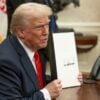
Iraqi Dinar Prospects: Reality Check After Six Months of Trump
Posted on 29 July 2025 .
By Guest Blogger. Any opinions expressed are those of the author(s), and do not necessarily reflect the views of Iraq Business News.
Iraqi Dinar Prospects: Reality Check After Six Months of Trump
Six months into Donald Trump's return to the presidency, the Iraqi dinar finds itself at a crossroads between economic fundamentals and persistent speculation. Whilst the currency's boosters continue to proclaim imminent revaluations, the reality on the ground tells a rather different story-one of mounting pressures on Iraq's economy that suggest further weakening, not strengthening, of the dinar.
The Numbers Don't Lie
Market projections indicate potential slight depreciation, with the exchange rate possibly reaching around 1,318 IQD per USD by the end of 2025. This represents a continued weakening from current levels, reflecting the deteriorating economic conditions that have emerged during Trump's first six months in office.
More optimistic forecasts suggest modest improvements, with the USD/IQD exchange rate might improve from 1,276.640 in March 2025 to 1,217.448 by December 2025, though even these projections show only marginal strengthening that would hardly satisfy those expecting dramatic revaluations.
The gulf between these professional forecasts and the expectations of dinar enthusiasts could not be starker. More than half of respondents expected the Iraqi dinar to revalue by at least 1,000x in the first 100 days of Trump's term -- a prediction that has been thoroughly debunked by events.
Economic Fundamentals Under Pressure
The fundamental drivers of currency value paint a concerning picture for the dinar's prospects. The current account is expected to weaken considerably in 2025 primarily due to declining oil export revenues. The deterioration in the external position is projected to weigh on foreign reserves.
Iraq's foreign currency reserves, whilst still substantial, are showing signs of strain. Iraq's foreign currency reserves are sufficient to finance 13 months of imports, despite a recent decline in coverage, according to the Central Bank. The Central Bank of Iraq (CBI) revealed that the country's foreign exchange reserves declined in May 2025, marking a concerning trend as oil revenues continue to fall.
The IMF's assessment is particularly sobering, noting that Iraq's vulnerabilities have increased in recent years due to a large fiscal expansion, precisely at a time when the government's main revenue source-oil exports-faces sustained pressure from both price declines and geopolitical disruptions.
Trump's Policies: A Double-Edged Sword
Leading Iraqi economists have warned that Trump's policies could actively harm the dinar. A leading Iraqi economist has predicted that US President Donald Trump's pressure to reduce oil prices will harm the Iraqi economy, and could lead to a devaluation of the Iraqi dinar.
This assessment reflects the reality that Iraq remains overwhelmingly dependent on oil revenues, which constitute roughly 90% of government income. Any sustained pressure on oil prices-whether through Trump's energy policies, sanctions on Iran affecting regional markets, or broader geopolitical tensions-directly undermines the fiscal position that underpins the dinar's stability.
Trump's renewed "maximum pressure" campaign against Iran has created additional complications. The removal of sanctions waivers that previously allowed Iraq to import Iranian energy has forced Baghdad to seek more expensive alternatives, further straining the government's finances and potentially requiring drawdowns of foreign reserves that support the dinar's exchange rate.
The Revaluation Delusion Persists
Despite six months of evidence contradicting their expectations, dinar revaluation theorists show little sign of abandoning their beliefs. The lack of any statement, policy, or indication from Trump regarding the Iraqi dinar has been met with increasingly creative explanations from supporters of the theory.
The fundamental misunderstanding underlying these expectations appears to be the belief that currency revaluations are political decisions that presidents can simply decree, rather than market-driven responses to economic fundamentals. The comparison some make to Kuwait's dinar post-liberation ignores the vastly different economic circumstances and structural reforms that accompanied that currency's strengthening.
Looking Forward: Modest Hopes, Harsh Realities
The most optimistic realistic scenario for the dinar involves gradual stabilisation rather than dramatic appreciation. This would require Iraq to successfully diversify its energy imports away from Iran, maintain political stability, and weather the current period of reduced oil revenues without excessive drawdowns of foreign reserves.
However, several factors work against such optimism:
Fiscal Pressures: With oil prices well below budgeted assumptions and production facing constraints, Iraq's government faces mounting pressure to either cut spending or increase borrowing-both of which could weaken confidence in the dinar.
Regional Instability: Trump's unpredictable approach to Middle Eastern policy creates ongoing uncertainty that typically undermines emerging market currencies like the dinar.
Structural Dependencies: Iraq's overwhelming reliance on oil exports leaves it vulnerable to external shocks, whether from market conditions, sanctions, or regional conflicts.
The Reality Check
For those holding Iraqi dinars in expectation of massive revaluations, the first six months of Trump's presidency have delivered a harsh reality check. Professional market forecasts suggest, at best, modest movements in the exchange rate-nothing approaching the transformative gains that speculators expect.
The economic fundamentals that determine currency values-fiscal position, foreign reserves, trade balance, and political stability-all point towards continued pressure on the dinar rather than the dramatic strengthening that revaluation theorists predict.
Iraq's path to currency stability lies not in presidential proclamations or speculative theories, but in the hard work of economic diversification, institutional reform, and fiscal discipline. Until these fundamentals improve, the dinar's prospects remain constrained by the same structural challenges that have defined Iraq's economy for decades.
The lesson from Trump's first six months is clear: currencies reflect economic realities, not political fantasies. The Iraqi dinar's future depends on Iraq's economic performance, not on the whims of foreign presidents or the hopes of speculative investors.
For more information on the Iraqi dinar, check out IBN's Dinar Page here: https://www.iraq-businessnews.com/the-dinar-page/?swcfpc=1
See also:
Iraqi Central Bank Reduces Supply of Dinars
Trump & Crypto: Will Bitcoin's Success Translate to the Iraqi Dinar?
Posted in Iraq Banking & Finance News 5 Comments

Trump & Crypto: Will Bitcoin's Success Translate to the Iraqi Dinar?
Posted on 19 July 2025 .
By Guest Blogger. Any opinions expressed are those of the author(s), and do not necessarily reflect the views of Iraq Business News.
Trump's Policies and Cryptocurrency: Will Bitcoin's Success Translate to the Iraqi Dinar?
The relationship between political leadership and financial markets has rarely been as pronounced as it is today with cryptocurrency. Since Donald Trump's return to the presidency in January 2025, Bitcoin has experienced remarkable gains, prompting investors to wonder whether this success might extend to other alternative investments like the Iraqi Dinar, where some people expect a significant dinar revaluation. However, the fundamental differences between these assets reveal why Bitcoin's trajectory under Trump's administration is unlikely to be replicated by the Iraqi Dinar.
Bitcoin's Meteoric Rise Under Trump's Pro-Crypto Policies
Bitcoin has demonstrated extraordinary performance since Trump's re-election, with the cryptocurrency surging approximately 60% since November 2024 and reaching heights of $111,000. This dramatic increase can be attributed to several specific policy initiatives and strategic decisions by the Trump administration.
The foundation of Bitcoin's success lies in Trump's complete reversal from his previous skeptical stance toward cryptocurrency. During his campaign, Trump promised to make America "the crypto capital of the planet," and his administration has delivered on this promise through concrete legislative and regulatory actions. In March 2025, Trump signed an executive order establishing a Strategic Bitcoin Reserve and U.S. Digital Asset Stockpile, signaling the federal government's commitment to cryptocurrency adoption.
The administration's approach has been systematically supportive of the cryptocurrency industry. Congress recently passed the first major crypto legislation in U.S. history, providing regulatory clarity that has been long sought by the industry. This regulatory framework has reduced uncertainty and encouraged institutional investment, contributing to Bitcoin's price appreciation.
Trump's appointees reflect this pro-crypto stance, with one in five top administration picks holding cryptocurrency assets, some worth millions of dollars. This alignment between policy and personal investment demonstrates the administration's genuine commitment to cryptocurrency adoption rather than mere political rhetoric.
The Iraqi Dinar: A Fundamentally Different Asset
The Iraqi Dinar operates in an entirely different economic and political ecosystem from Bitcoin. While Bitcoin is a decentralized digital asset that responds to global market forces and regulatory changes, the Iraqi Dinar is a sovereign currency tied to Iraq's economic fundamentals and monetary policy decisions.
Current exchange rate data shows the Iraqi Dinar trading at approximately 1,310 dinars per U.S. dollar as of July 2025, representing minimal fluctuation over the past year. The International Monetary Fund projects an average exchange rate of 1,300 dinars per dollar for both 2025 and 2026, indicating expectations of stability rather than dramatic appreciation.
The Central Bank of Iraq has successfully transitioned to a new trade finance system managed by commercial banks, which has contributed to exchange rate stability. However, this stability is precisely what differentiates the Dinar from Bitcoin-the Iraqi currency is managed to maintain purchasing power rather than to serve as a speculative investment vehicle.
Why Trump's Crypto Policies Won't Impact the Dinar
Several fundamental factors explain why Trump's cryptocurrency-friendly policies cannot replicate Bitcoin's success with the Iraqi Dinar:
- Regulatory Jurisdiction: Trump's policies directly impact assets under U.S. regulatory authority. Bitcoin, as a global digital asset traded on U.S. exchanges and held by U.S. institutions, falls within this sphere of influence. The Iraqi Dinar, however, is governed by Iraq's Central Bank and monetary policy, which operates independently of U.S. cryptocurrency regulations.
- Asset Classification: Bitcoin is treated as a digital commodity and investment vehicle, making it responsive to regulatory changes that affect investor sentiment and institutional adoption. The Iraqi Dinar functions as a national currency with exchange rates determined by economic fundamentals such as oil revenues, trade balances, and monetary policy decisions.
- Market Dynamics: Bitcoin's price appreciation stems from increased institutional adoption, regulatory clarity, and speculative investment driven by Trump's supportive policies. The Iraqi Dinar's value is tied to Iraq's economic performance, oil exports, and regional stability-factors largely unrelated to U.S. cryptocurrency policy.
- Investment Infrastructure: The cryptocurrency ecosystem has developed sophisticated trading platforms, custody solutions, and financial products that respond rapidly to policy changes. The Iraqi Dinar lacks this infrastructure for speculative investment, with most transactions occurring through traditional foreign exchange channels focused on trade and remittances rather than investment.
Economic Realities and Market Projections
Financial forecasts for the Iraqi Dinar suggest continued stability rather than dramatic appreciation. Market projections indicate potential slight depreciation, with the exchange rate possibly reaching around 1,318 IQD per USD by the end of 2025. These projections reflect expectations of gradual economic adjustments rather than the explosive growth seen in Bitcoin.
Iraq's economy remains heavily dependent on oil revenues, which are calculated based on the exchange rate of 1,300 dinars to one dollar in the federal budget. This dependency on commodity prices and the government's fiscal management creates a fundamentally different value proposition from Bitcoin's technology-driven and adoption-based appreciation.
The Broader Investment Landscape
The contrast between Bitcoin and the Iraqi Dinar illustrates a broader principle about how different asset classes respond to political and regulatory changes. Bitcoin's success under Trump's administration demonstrates the power of regulatory clarity and institutional support for emerging asset classes. The cryptocurrency's decentralized nature and global trading infrastructure make it particularly responsive to positive policy developments.
Traditional currencies, even those from developing economies, operate within established monetary systems designed for stability rather than speculation. The Iraqi Dinar's role as a medium of exchange and store of value for Iraq's economy necessitates careful management to prevent the volatility that investors seek in alternative assets.
Conclusion
While Trump's pro-cryptocurrency policies have created a favorable environment for Bitcoin's remarkable performance, these same policies cannot produce similar results for the Iraqi Dinar. The fundamental differences between a decentralized digital asset and a sovereign currency mean that each responds to entirely different sets of economic and political factors.
Bitcoin's success under Trump's administration reflects the power of regulatory support and institutional adoption in driving speculative asset prices. The Iraqi Dinar's stability reflects the careful monetary management required to maintain a functioning national currency. Investors considering whether Trump's policies might benefit the Iraqi Dinar should recognize that the two assets exist in fundamentally different economic ecosystems, with success metrics that are not only different but often contradictory.
The lesson for investors is clear: while political leadership can significantly impact certain asset classes, the specific characteristics of each investment determine how it responds to policy changes. Bitcoin's technological foundation and speculative nature make it responsive to regulatory developments, while the Iraqi Dinar's role as a national currency requires it to prioritize stability over explosive growth.
For more information on the Iraqi dinar, check out IBN's Dinar Page here: https://www.iraq-businessnews.com/the-dinar-page/?swcfpc=1
Posted in Investment, Iraq Banking & Finance News 1 Comment
Iraqi Dinar Q&A: RV Prospects Two Weeks on from Airstrikes on Iran
Posted on 27 June 2025 .
By Guest Blogger. Any opinions expressed are those of the author(s), and do not necessarily reflect the views of Iraq Business News.
Q: Following your recent article on the Dinar Revaluation (RV) and Israeli Airstrikes on Iran, the situation in the region has progressed. What is your current assessment as it relates to the dinar (IQD)?
A: It has now been two weeks since the initial Israeli airstrikes on Iran, and the situation has continued to evolve. While a US-brokered ceasefire was announced on 23rd June, following a 12-day conflict that saw exchanges of missile and drone attacks, the broader implications for Iraq and the Iraqi Dinar's potential revaluation remain complex and largely negative.
Here's a follow-up based on the latest developments:
Lingering Instability and Uncertainty
Despite the ceasefire, the underlying tensions between Israel and Iran persist, and this continued regional instability is a significant factor for Iraq. While Iraq itself largely avoided direct involvement in the recent fighting, its geographic proximity means it remains highly susceptible to any fallout.
- Political and Security Concerns: The conflict highlighted the potential for regional power struggles to spill into Iraq, impacting its already fragile domestic stability. There have been reports of continued efforts to manage the influence of Iran-aligned Iraqi groups, and the risk of renewed hostilities involving these groups remains.
- Economic Vulnerability: Iraq's economy, heavily reliant on oil exports, is particularly vulnerable. While there was a short-term rise in oil prices during the conflict, which generated some additional revenue, this was largely offset by increased import costs due to disruptions in maritime insurance markets, global price fluctuations, higher shipping expenses, and a decline in air transport and religious tourism. An Iraqi government adviser described the conflict's impact as a "double-edged shock," leaving the Iraqi economy in a state of "neutral uncertainty."
Dinar Under Pressure
The Iraqi Dinar has continued to face headwinds, largely due to the pervasive uncertainty and ongoing economic challenges.
- Dollarisation and Parallel Market: The increased regional tension has reinforced the demand for the US dollar as a safe haven. While the official Central Bank of Iraq (CBI) rate remains stable at 1,320 IQD to $1, the parallel market has seen fluctuations. Recent reports indicate that USD/IQD exchange rates have edged lower in Baghdad and Erbil, with selling prices for $100 ranging from 141,750 IQD to 142,250 IQD, still significantly above the official rate. This persistent gap is a clear indicator of market pressure and a lack of confidence in the Dinar.
- Smuggling Concerns: The issue of dollar smuggling to Iran, aimed at circumventing US sanctions, continues to plague Iraq's financial system. This illicit flow of currency further limits the CBI's ability to effectively manage the Dinar's value and build confidence for a revaluation.
- Budgetary Challenges: Iraq is facing significant fiscal strains, with the 2025 federal budget unlikely to be submitted to Parliament anytime soon. This delay is attributed to "severe financial deficits, unstable revenue streams, the absence of a coherent economic vision, and the looming legislative elections." A parliamentary finance committee member noted a budget deficit of nearly 80 trillion IQD (approximately $61 billion), which puts immense pressure on government spending and the overall economic outlook. Delays in the budget can directly impact public salaries and infrastructure projects, further dampening economic sentiment.
Outlook for Revaluation
Given these ongoing developments, the prospect of an Iraqi Dinar revaluation in the near future appears highly improbable. The confluence of factors including:
- Continued regional instability and potential for escalation.
- Persistent demand for the US dollar and challenges in the parallel market.
- Ongoing issues with dollar smuggling and US sanctions.
- Significant internal budgetary deficits and political uncertainty within Iraq.
all contribute to an environment that is not conducive to a revaluation. While Iraq's vast oil reserves are a long-term asset, the immediate economic and geopolitical landscape presents too many hurdles. The Iraqi government's focus is currently on managing the existing economic challenges and navigating the complex regional dynamics, rather than pursuing a revaluation.
For more information on the Iraqi dinar, check out IBN's Dinar Page here: https://www.iraq-businessnews.com/the-dinar-page/?swcfpc=1
Posted in Iraq Banking & Finance News 1 Comment
Iraqi Dinar Q&A: Dinar Revaluation (RV) and Israeli Airstrikes on Iran
Posted on 13 June 2025 .
By Guest Blogger. Any opinions expressed are those of the author(s), and do not necessarily reflect the views of Iraq Business News.
Q: What effect will Israel's airstrikes on Iran have on any potential revaluation of the Iraqi dinar?
A: This week's Israeli airstrikes on Iran, targeting nuclear and military sites, will likely have a negative effect on any potential revaluation of the Iraqi Dinar, at least in the short term. Here's why:
Increased Regional Instability
The conflict between Israel and Iran is a major source of instability in the Middle East. Iraq, being a direct neighbour to Iran and having complex political and economic ties with both countries, is highly susceptible to the fallout from such tensions. Increased regional conflict generally leads to capital flight and a preference for safer currencies like the US dollar, which puts downward pressure on local currencies like the Iraqi Dinar.
Safe-Haven Demand for USD
As investors and even ordinary citizens become more apprehensive about the future, they tend to move their assets into more stable and liquid currencies. The US dollar is traditionally seen as a global safe-haven currency. This increased demand for USD in Iraq would further weaken the Dinar against the dollar in the parallel markets, making any revaluation less likely.
Impact on Oil Prices
While a spike in oil prices due to regional conflict might seem beneficial for an oil-dependent economy like Iraq's, the immediate effect on the Dinar is often outweighed by the increased instability. Furthermore, if the conflict were to escalate and impact shipping routes like the Strait of Hormuz, Iraq's oil export revenues could be severely affected, which would be detrimental to the Dinar.
Smuggling and Sanctions Concerns
Iraq has faced challenges with dollar smuggling to Iran, partly due to US sanctions on Iran. Escalated tensions and potential new sanctions could exacerbate these issues, further disrupting Iraq's financial system and the Dinar's stability.
Political and Economic Uncertainty in Iraq
The Iraqi Dinar's value is already influenced by a range of internal factors, including political stability, government spending, and efforts to control corruption. Regional conflicts add another layer of uncertainty, making it harder for the Central Bank of Iraq to manage the exchange rate and implement policies that could lead to a revaluation.
For more information on the Iraqi dinar, check out IBN's Dinar Page here: https://www.iraq-businessnews.com/the-dinar-page/?swcfpc=1
Posted in Iraq Banking & Finance News 1 Comment

Donald Trump and the "Great Iraqi Dinar Revaluation"
Posted on 21 December 2024 .
By a Guest Blogger. Any opinions expressed are those of the author(s), and do not necessarily reflect the views of Iraq Business News.
Anecdotal evidence, including inquiries to Iraq Business News, seems to suggest that supporters of US President-elect Donald Trump are more likely to believe that the Iraqi currency, the Dinar (IQD), will increase in value by an unprecedented multiple, some saying by as much as 1,000-fold!
The correlation between being a Trump voter and believing in a significant revaluation of the Iraqi dinar (often called the "dinar RV" theory) is not rigorously studied, but there are social and cultural dynamics that might help explain the connection between the two groups.
The Dinar revaluation theory emerged after the 2003 Iraq War: The basic premise is that the Iraqi Dinar, which traded at around 3 IQD per USD before the 1991 Gulf War but crashed to roughly 1,310 IQD per USD, would suddenly revalue back to its previous rate or even higher. Believers often hold large quantities of physical Dinar notes, sometimes investing tens of thousands of dollars.
The theory's spread among Trump supporters was facilitated by several factors:
The "Global Reset" Narrative:
- Many believers connected the Dinar revaluation to a broader theory about Trump leading a massive reorganization of the global financial system
- This often tied into QAnon-adjacent beliefs about Trump secretly fighting a "deep state" that was suppressing the Dinar's true value
- Some proponents claimed Trump and his team were directly involved in orchestrating a coming revaluation
Social Media Dynamics:
- The theory spread rapidly through Facebook groups, YouTube channels, and forums that also shared pro-Trump content
- Many of these platforms used similar language about "mainstream media suppression" of both Trump and the "truth" about the Dinar
- Currency speculators and scammers actively targeted these communities, recognizing their receptiveness to anti-establishment financial narratives
Political Context:
- The theory appealed to a desire for both financial windfall and validation of political beliefs
- Some promoters claimed Trump's Middle East policies, particularly regarding Iraq and Saudi Arabia, would trigger the revaluation
- The belief often aligned with broader skepticism of traditional financial institutions and expertise
Psychological Factors:
- The combination of potential financial reward and political validation created a powerful motivational force
- Believers often interpreted skepticism from financial experts as further evidence of a cover-up
- The complexity of international currency markets made it easier for promoters to make plausible-sounding but false claims
- Investment in the theory often strengthened social bonds within these communities, making it harder to abandon the belief
Despite years of failed predictions, the theory continues to circulate; some believers have modified the timeline but maintain their basic conviction. The persistence of this belief system despite contrary evidence and expert warnings illustrates how financial conspiracy theories can become deeply intertwined with political identity and resistant to contrary evidence. Both Trump supporters and proponents of the dinar revaluation theory often demonstrate a tendency toward belief in conspiracy theories or "hidden truths" that challenge mainstream narratives.
For more information on the Iraqi dinar, check out IBN's Dinar Page here: https://www.iraq-businessnews.com/the-dinar-page/?swcfpc=1
The Iraqi Dinar Revaluation Scam: False Hope, Financial Deception
Have you seen a connection between support for Trump and a belief in the revaluation theory? Please let us know in the comments below.
[UPDATE, January 21st 2025: Following Donald Trump's inauguration, let us know your thoughts on Dinar RV in our survey here: https://www.iraq-businessnews.com/2025/01/21/survey-trump-and-the-iraqi-dinar/?swcfpc=1]
See also:
Posted in Iraq Banking & Finance News 29 Comments

The Iraqi Dinar Revaluation Scam: False Hope, Financial Deception
Posted on 29 August 2024 .
By a Guest Blogger. Any opinions expressed are those of the author(s), and do not necessarily reflect the views of Iraq Business News.
The Iraqi Dinar Revaluation Scam: An Examination of False Hope and Financial Deception
Introduction
The notion that the Iraqi Dinar (IQD) will appreciate in value by an unprecedented multiple has circulated in certain investment circles for many years.
This idea, often presented as an insider tip or a once-in-a-lifetime opportunity, is in reality a long-standing scam. Promoters of this scheme suggest that the Iraqi Dinar, which has been significantly devalued since the fall of Saddam Hussein's regime, is poised for a dramatic revaluation (or "RV" as proponents call it - a term that also calls to mind the recreational vehicles that people dream of buying with there newfound wealth) that will multiply its worth many times over, making early investors incredibly wealthy.
However, the likelihood of such an event occurring is virtually non-existent. This essay will explore the history of the Iraqi Dinar revaluation scam, the demographics it targets, and the improbability of the currency's value ever increasing as advertised.
The History of the Iraqi Dinar Scam
The origins of the Iraqi Dinar scam can be traced back to the early 2000s, following the U.S.-led invasion of Iraq in 2003. After the overthrow of Saddam Hussein, the Iraqi economy was in turmoil, and the new government introduced a series of new banknotes to replace the old currency, which had become virtually worthless. The new Dinar, while more stable than its predecessor, was still valued at a fraction of a U.S. cent.
Around this time, rumours began to spread that Iraq's abundant oil reserves and the eventual recovery of its economy would lead to a significant revaluation of the Dinar. Promoters of this idea claimed that the currency, which was trading at a rate of thousands of Dinar to one U.S. dollar, would soon be revalued to something much closer to the U.S. dollar's value. Some extreme predictions suggested that a single Dinar might one day be worth several U.S. dollars, representing a profit potential of several hundred thousand per cent for those who bought in early.
The scam gained momentum over the years, particularly through online forums, social media, and even in-person seminars. It preyed on people's desire for quick and easy wealth, often using pseudo-economic arguments and speculative analysis to lend credibility to the claim. However, despite the persistence of these rumours, the Dinar's value has remained relatively stable at its low level, with no indication that a revaluation is on the horizon.
Targeting the Vulnerable: Who Falls for the Dinar Scam?
The Iraqi Dinar scam targets a broad range of individuals, but certain demographics are particularly susceptible. The scam is especially appealing to those who are financially insecure, such as retirees, low-income earners, or individuals facing economic hardship. These people are often attracted to the idea of a small investment potentially yielding a life-changing return. The promise of a Dinar revaluation can appear as a beacon of hope in an otherwise bleak financial landscape.
Moreover, the scam often targets those who lack sophisticated financial literacy. Many victims do not have a deep understanding of how currency markets work and are easily swayed by the seemingly logical but fundamentally flawed arguments presented by promoters. These arguments often include references to historical revaluations of other currencies, misleading comparisons to post-war Germany or Japan, and exaggerated claims about Iraq's economic potential due to its oil reserves.
In addition, the scam tends to attract individuals with a distrust of conventional financial institutions. Promoters often paint the Dinar investment as a way to circumvent traditional investment vehicles, appealing to those who believe that mainstream finance is rigged against the average person. This conspiratorial mindset is further fuelled by the online echo chambers where these ideas are shared and reinforced.
The scam has also found a foothold in certain social and religious communities, where trust in fellow members can be exploited by promoters of the scheme.
Scammers sometimes exploit patriotic sentiments, suggesting that purchasing dinars somehow supports Iraq's reconstruction while promising enormous returns.
The Improbability of a Dinar Revaluation
Despite the persistence of these rumours, the likelihood of a substantial revaluation of the Iraqi Dinar is exceedingly slim. Several fundamental economic and geopolitical factors contribute to this conclusion.
- Firstly, the vast quantity of Iraqi Dinars in circulation significantly hampers the possibility of the currency appreciating massively in value. For the dinar to experience a dramatic increase in value, Iraq would need to undergo an extraordinary economic transformation, which is highly improbable given the current economic conditions. The large money supply means that any attempt to revalue the currency would require a substantial reduction in the number of dinars in circulation, which is logistically and economically unfeasible. Additionally, a sudden and massive appreciation would disrupt the economy, leading to inflation and other financial instabilities. Therefore, the sheer volume of dinars makes a significant revaluation highly unlikely.
- Iraq's economy, while possessing significant oil reserves, remains fragile and heavily reliant on oil exports. The country faces ongoing challenges such as political instability, corruption, and security concerns, which undermine investor confidence and deter foreign investment. Additionally, the Central Bank of Iraq has implemented a monetary policy aimed at maintaining stability rather than pursuing aggressive revaluation strategies. Any significant increase in the Dinar's value would likely harm Iraq's economy by making its exports more expensive and less competitive on the global market.
- Currency revaluations of the magnitude suggested by Dinar promoters are unprecedented. Historical examples of revaluations often involve countries emerging from periods of hyperinflation or war, where the value of the currency had been artificially suppressed. Even in such cases, the revaluation process is controlled, gradual, and does not result in the kind of massive windfalls that Dinar promoters suggest.
- Lastly, the Iraqi government and the Central Bank have consistently denied any plans for a major revaluation. Official statements have reiterated that the Dinar's value will continue to be determined by market forces and that there are no plans to peg the currency to the U.S. dollar or any other foreign currency at a dramatically different rate.
Conclusion
The idea that the Iraqi Dinar will appreciate in value by an unprecedented multiple is nothing more than a persistent scam, preying on the hopes and fears of the financially vulnerable. Despite the seductive promise of enormous returns, the economic realities of Iraq and the dynamics of currency markets make such a revaluation virtually impossible.
Those who have fallen for the Dinar scam have often lost money, time, and hope, while the promoters of this scheme continue to profit from spreading falsehoods. It is crucial for potential investors to exercise scepticism and to seek out reliable financial advice before engaging in any such speculative investments.
Posted in Iraq Banking & Finance News 16 Comments

Your Comprehensive Guide to Business in Iraq
Posted on 14 January 2023 .
By Guest Blogger:
Your Comprehensive Guide to Business in Iraq: What's Happening Today?
Business in Iraq has been growing steadily in recent years. From a standing start in 2003, the Iraqi economy has seen a remarkable transformation, with the private sector playing an increasingly important role in the country's overall economic development.
Despite the ongoing security challenges, there are many business opportunities in Iraq. In this comprehensive guide, we'll take a closer look at the economic and political environment in the country, the legal and regulatory framework for businesses, and some helpful tips for setting up a business in Iraq.
Introduction to Business in Iraq
Iraq is a predominantly Muslim country located in the Middle East. It is bordered by Kuwait, Saudi Arabia and Jordan to the south, and Turkey, Syria and Iran to the north. Iraq is the second-largest country in the Middle East and home to over 37 million people. It has a rich history and culture, and is known for its oil reserves, which make up a significant portion of the country's economy.
The economy of Iraq has been growing steadily in recent years, thanks to the government's efforts to diversify the country's sources of income. The Iraqi government has introduced several reforms to promote economic growth, such as the introduction of a new investment law to attract foreign investors. Iraq is also part of the Arab Free Trade Area, which allows for the free movement of goods, services and capital between member states.
Despite the ongoing security challenges, Iraq is a potential business destination for those looking to invest in the Middle East. The country has a young and educated population, access to markets in the Middle East and beyond, and a wide range of business opportunities in various sectors.
Economic Overview of Iraq
The Iraqi economy is largely dependent on oil revenues, which make up the bulk of the country's exports. Oil accounts for around 95% of Iraq's exports, and around 60% of its GDP. The country's oil reserves are estimated to be around 150 billion barrels, the fifth-largest in the world. Iraq is also home to significant deposits of natural gas, which adds to the country's energy resources.
The Iraqi government has adopted several measures to diversify the country's sources of income. The government has introduced reforms to attract foreign investment, such as the Investment Law of 2006, which offers incentives to foreign investors. It has also made efforts to develop the manufacturing sector, with the focus on the production of consumer goods.
Iraq has a young and educated population, with a literacy rate of over 90%. The country has a large labor force, with a high rate of unemployed people. This provides a potential opportunity for businesses to tap into the local talent pool.
The country also boasts a number of tourist attractions, such as its archaeological sites and the ancient city of Babylon. Tourism is still relatively undeveloped in Iraq, but has the potential to be a significant source of revenue for the country.
Iraq's Political and Social Environment
The political situation in Iraq is complex and often volatile. After the US-led invasion of Iraq in 2003, the country has seen a series of power struggles between various factions. The current government is a fragile coalition between the various political parties, and the stability of the country is still uncertain. The security situation in the country is fragile and there have been a number of sectarian clashes in recent years.
Despite the ongoing security challenges, the country has managed to make progress in terms of economic development. The government has taken steps to make Iraq an attractive destination for foreign investors. This includes the introduction of new laws to make it easier for businesses to operate in the country.
The Iraqi people are a diverse and welcoming population. The country is home to a variety of ethnic and religious groups, including Kurds, Arabs, Turkmen, Assyrians, and Yazidis. Despite the ongoing security challenges, Iraqis are generally friendly and welcoming to foreigners.
Business Opportunities in Iraq
Iraq has a number of business opportunities in various sectors. The oil and gas sector is the most lucrative, with Iraqi oil reserves estimated to be among the largest in the world. The country also has significant deposits of natural gas, which could be tapped into for energy production.
The manufacturing sector is another potential area for investment. The government has introduced reforms to promote the growth of the sector, such as the introduction of the Investment Law of 2006, which offers incentives for foreign investors. The government is also encouraging the development of the tourism sector, with the focus on developing cultural and heritage sites.
Iraq is also a potential destination for those looking to invest in the agricultural sector. The country has a diverse climate, with the potential to grow a variety of crops. The government is also encouraging the development of the agricultural sector, with the focus on improving irrigation and agricultural infrastructure.
The service sector is also a potential area for investment. The country has a young and educated population, which provides a potential opportunity for businesses to tap into the local talent pool.
Legal and Regulatory Framework for Business in Iraq
The legal and regulatory framework for businesses in Iraq is still in its early stages. The country has a number of laws and regulations in place to promote investment and encourage businesses to operate in the country.
The Investment Law of 2006 is the main law governing foreign investment in Iraq. The law offers incentives to foreign investors, such as tax breaks and protection from expropriation. The law also provides for the establishment of foreign-owned companies, and the protection of foreign investments.
The Iraqi companies law regulates the registration and operation of companies in the country. The law provides for the registration of both foreign and domestic companies, and sets out the rules and regulations governing their operations.
The Iraqi labor law is also an important legal framework for businesses in the country. The law regulates the employment of foreign workers in Iraq, and sets out the rules and regulations governing the hiring, firing and compensation of workers.
The Iraqi tax system is relatively simple and straightforward. The country has a flat tax rate of 15% for both companies and individuals. Companies are also subject to a number of other taxes, such as the value-added tax (VAT) and the customs duty.
Challenges for Businesses in Iraq
Despite the potential opportunities, businesses in Iraq face a number of challenges. The security situation in the country is still fragile, and there have been a number of sectarian clashes in recent years. This has made it difficult for businesses to operate in the country, as they are often targets of violence.
The Iraqi economy is also heavily reliant on oil revenues, which makes it vulnerable to fluctuations in the global oil market. The country's infrastructure is also in need of improvement, which can make it difficult for businesses to operate efficiently.
The legal and regulatory framework for businesses in Iraq is still in its early stages, and there is a lack of clarity on many issues. This can make it difficult for businesses to operate in the country, as there is often a lack of understanding of the laws and regulations governing their operations.
The Iraqi bureaucracy can also be a challenge for businesses. The government is still in the process of modernizing its bureaucracy, and the process of setting up a business in the country can be slow and complicated.
Doing Business in Iraq: Helpful Resources
If you're looking to set up a business in Iraq, there are a number of resources to help you get started. The Iraqi government has a number of agencies and departments that can provide assistance and advice for businesses. The Investment Commission is the government agency responsible for attracting foreign investment to the country, and can provide information and advice on setting up a business.
The Iraqi Chamber of Commerce and Industry is a non-governmental organization that provides information and advice on doing business in Iraq. It can also provide information on the legal and regulatory framework for businesses in the country.
The US Embassy in Iraq is another helpful resource for businesses. The embassy can provide information on the legal and regulatory framework for businesses in the country, as well as advice and assistance on setting up a business.
Types of Businesses in Iraq
Iraq is home to a variety of businesses, from small-scale operations to large-scale multinationals. The oil and gas sector is one of the most lucrative, with a number of foreign companies operating in the country. Other sectors that are attractive to foreign investors include the manufacturing sector, the tourism sector, and the agricultural sector.
The service sector is also an attractive option for businesses in Iraq. The country has a young and educated population, which provides a potential opportunity for businesses to tap into the local talent pool. The service sector includes a range of activities, from IT and software development, to hospitality and healthcare.
The retail sector is another potential area for businesses in Iraq. The country has a large population and a growing middle class, which provides an attractive market for retail businesses.
Tips for Setting Up a Business in Iraq
Setting up a business in Iraq can be a daunting task, but there are a few tips to help you get started.
The first step is to research the legal and regulatory framework for businesses in Iraq. It's important to understand the laws and regulations governing foreign investment and the operation of businesses in the country. This will help you to ensure that you are in compliance with the law.
It's also important to research the local business environment and culture. It's important to understand the local customs and culture, as this can have an impact on your business operations.
It's also important to have a local partner or advisor. A local partner or advisor can provide valuable advice and assistance on setting up a business in Iraq. They can also provide information on the legal and regulatory framework, and help you to navigate the local bureaucracy.
Finally, it's important to have a plan and be prepared. Setting up a business in Iraq can be a long and complicated process, so it's important to have a plan and to be prepared for any eventuality.
Conclusion
Business in Iraq has the potential to be a lucrative opportunity for investors. The country has a young and educated population, access to markets in the Middle East and beyond, and a wide range of business opportunities in various sectors. However, businesses in Iraq face a number of challenges, such as the security situation, the lack of infrastructure, and the bureaucratic hurdles.
If you're looking to set up a business in Iraq, it's important to understand the legal and regulatory framework, the local business environment and culture, and to have a plan and be prepared. There are a number of resources to help you get started, such as the Iraqi government agencies, the US Embassy in Iraq, and the Iraqi Chamber of Commerce and Industry.
Iraq may not be the easiest place to do business, but with the right preparation and resources, it can be a rewarding and profitable opportunity.
If you're looking to learn more about business in Iraq and the potential opportunities available, read Iraq Business News.
Posted in Iraq Industry & Trade News Comments Off on Your Comprehensive Guide to Business in Iraq
Poll: End of the Road for Iraqi Dinar Scam?
Posted on 07 January 2015 .
By Guest Blogger.
Any opinions expressed are those of the author, and do not necessarily reflect the views of Iraq Business News.
For several years, con artists have been peddling the Iraqi Dinar scam – the myth of a massive revaluation of the Iraqi dinar, but that may be about to change.
Using a range of convoluted arguments, these people push the idea that the dinar will increase to 1,000 times, or even 3,000 times, its current value; they or their associates then profit by selling the currency at a fat profit to people who desperately want to believe that they have found a pot of gold.
In a particularly cruel twist, they often target people who are in financial difficulty, and string them along with the fear that they wouldn't want to miss out on this once-in-a-history-of-the-world opportunity.
Self-reinforcing online communities have been created, where the unwitting victims can feel that they are finally part of an elite group destined to prosper, just as long as they continue to keep the faith.
Emotional commitment, and a quasi-religious zeal, all play a role: An April Fool article spelling out the utter absurdity of the Iraqi Dinar scam get-rich-quick scheme was met with widespread anger and hostility in dinar chatrooms.
Anecdotal evidence, however, suggests that even the most diehard "dinarians" are finally starting to accept reality, and that by the end of 2015 this scam may have been consigned to history. Sadly, this will be too late for the many who have been cheated of their savings, their time, and their hope.
[poll id="4"]
(Dinar image via Shutterstock)
Posted in Iraq Banking & Finance News 8 Comments