


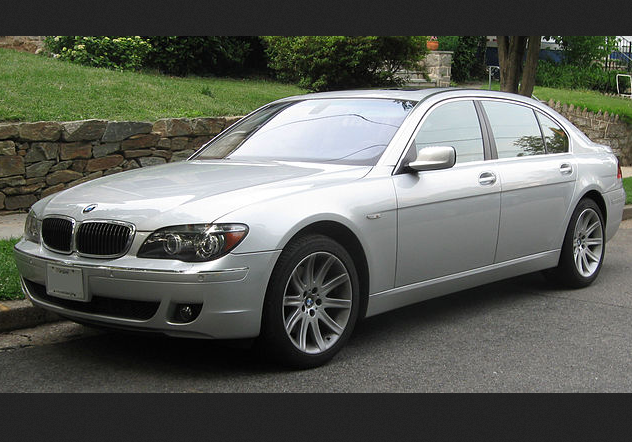
In addition to officials, influential figures financially secure enough to pay bribes are also fond of tinting. They too might use their vehicles to conceal personal behavior condemned by society. The ire of the Iraqi street has on occasion penetrated the tinted convoys when mistakes are made or innocent civilians are killed in attacks. In 2010 in northern Babil, for example, stray bullets from an official’s security detail struck Tawfiq al-Yasari, a pedestrian. Yasari told Al-Monitor that he has not been able to obtain compensation from the perpetrators.
Psychology expert Tawfiq al-Khazraji told Al-Monitor that there “is a tendency toward ‘ghost-like behavior’ in society.” It manifests itself, he asserted, “in a desire to escape reality and live in a detached world. One means of doing this is a tinted car, a concealed home [and other things] that are seen but are not seen. This is most certainly a pathology resulting from fear of public places, particularly among those who are engaged in important and sensitive work or those who stand opposed to established laws and social norms or those seeking to place themselves above society.”
Khazraji went on to say, “As for officials, they have legitimate reasons [for concealing themselves], attributable to the worrying security situation.” Nevertheless, he noted, “Exposure to the public and conducting business in the public square would allow people to reduce the situation’s fragility.”
Whatever an official’s motives for hiding behind tinted glass, it costs him one of his most important attributes: being seen as “responsible to the people” and eager to act under the eye of full transparency. This requires venturing into the streets and engaging directly with the people, who are suffering under tumultuous conditions. The elite should not shield themselves from these conditions behind darkened windows and in ivory towers.
Adnan Abu Zeed is an Iraqi author and journalist.
Comments are closed.