


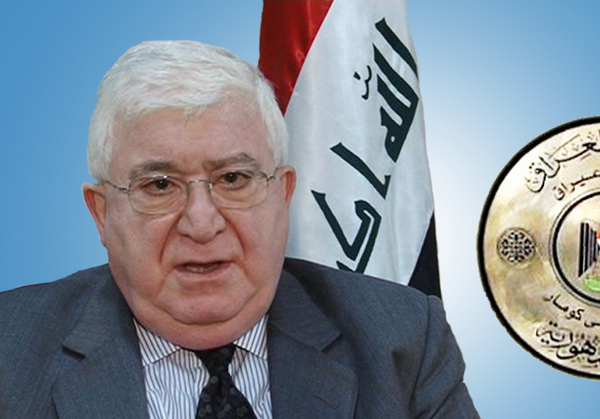
In fact, the consensual system in Iraq did not allow Talabani to perform a role in the structure of the executive authority. He could not contribute to preparing the laws that the country urgently needed — laws whose absence constituted a weak point for the political process in Iraq.
Today, the question is raised to the Iraqi president: Is he or the political party to which he adheres, the Kurdistan Alliance, willing to take a personal initiative, or use the presidential system, to effectively participate in filling the huge legal vacuum in Iraq? Is he ready to start by seizing his constitutional privileges and exerting them on par with the prime minister?
The answer to this question will be very important in the coming weeks. Past experiences have proven that the legal gap was one of the main aspects of the governmental failure, on the security, political and economic levels, to explain the constitution. Moreover, the parties have accused each other of violating the constitutional texts, and this is because the constitutional text that grants the president the privilege of “ensuring the respect of the constitution” was not applied.
Iraq needs dozens of laws that would clear the air between the executive and legislative authorities as well as among Baghdad, Iraqi Kurdistan and the provinces. It also needs laws that remove the system of governing the state through a group of acting officials. Those have been occupying interim positions for years, although the constitution stipulates the positions must be elected in Article 61.
Comments are closed.