


In Iraqi Kurdistan, which has its own borders, parliament and laws, it is illegal to sell one's organs. However it is perfectly legal to donate an organ, like a kidney, voluntarily. The donors must fulfil certain prerequisites – things like being in sound mental and physical health and over the age of 18 years.
When donating the kidney, the donor is supposed to come to the hospital with a member of the beneficiary's family. If there is any suspicion that the kidney is being sold, then the hospital is supposed to discontinue the process.
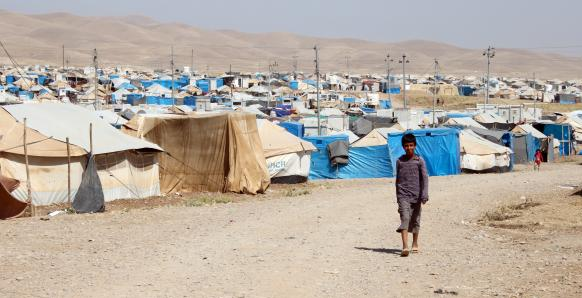
The sale of a kidney requires middlemen, who must both know a seller and a buyer. It is thought that middlemen for the buyers come up from Baghdad and contact middle men for the sellers in Iraqi Kurdistan. The sellers – it is suspected that most of these are displaced Iraqis from elsewhere in the country, desperate for money – will receive around IQD5 million (around US$4,100) for a kidney.
The middleman then sells the kidney on for anywhere between IQD20 and 25 million (from about US$20,000) so they end up being the ones making the most profit.
And it seems that the middlemen are coming up with cleverer ways to outwit the local police. “There has always been a trade in human organs here but in the past the local police and secret police managed to arrest a lot of the traders,” says Sarkout Ahmed, spokesperson for the police in one of Iraqi Kurdistan's largest cities, Sulaymaniyah. “However over the last couple of months the police haven't managed to arrest anyone on these kinds of charges.”
“Today the traders make a deal with the family of the buyer, who needs a kidney transplant, then they finalize any forms in a way that ensures there are no doubts about the legality of the procedure,” one official at the local Ministry of Health told NIQASH, on condition of anonymity. “They forge a lot of documents for exactly this purpose.”
“And when we don't have any clear evidence, we cannot do anything about the organ sales,” Ahmed admits. “It is highly likely that these middlemen have found alternative ways of doing business.”
Comments are closed.