


The conflict, however, soon spiraled out of control, spilling over from political corridors and parliament into the streets of Iraqi Kurdistan, where demonstrations started in September.
Adding fuel to the fire have been the dire economic conditions, the delayed payment of state employees' salaries and the rampant corruption in some government institutions. The demonstrations escalated into violent clashes between protesters and security forces. On Oct. 10, protesters tried to break into the headquarters of Barzani's KDP, prompting security forces to open fire, leaving three people dead and 18 injured.
Things did not stop at this point in the political sphere, as the Movement for Change ministers were suspended from the Kurdistan Region government. Security forces banned Kurdish parliament Speaker Yusuf Mohammed, who is affiliated with the Movement for Change, from entering Erbil.
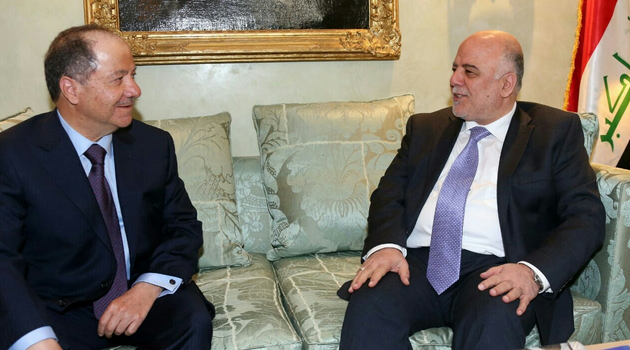
Iraqi Prime Minister Haidar al-Abadi responded quickly to the events and on Oct. 11, called upon the Kurdish parties to maintain calm and "solve problems through dialogue, legal and constitutional means and avoid resorting to force.”
Under these circumstances, Baghdad must strive to find political solutions by bringing the conflicting parties together and pressuring them to make concessions to ensure political, economic and security stability. In addition to its symbolic status as the capital of all Iraq, including the Kurdistan Region, Baghdad has what it takes to act as a mediator and settle political disputes in the region, as all Kurdish parties have representatives in the Iraqi parliament and the various government institutions in Baghdad.
#IraqEconomy: Is Abadi Key to Resolving Kurdish Conflict? https://t.co/2736UYzQqX
Is Abadi Key to Resolving Kurdish Conflict?: By Mustafa al-Kadhimi for Al-Monitor. Any opinions expressed are ... https://t.co/ttagkjG9NM
RT @iraqsolidarity: #IraqEconomy: Is Abadi Key to Resolving Kurdish Conflict? https://t.co/2736UYzQqX
DTN Iraq: Is Abadi Key to Resolving Kurdish Conflict?: By Mustafa al-Kadhimi for Al-Monitor. Any opinions expr... https://t.co/vDxhfheSS7
Is Abadi Key to Resolving Kurdish Conflict?: By Mustafa al-Kadhimi for Al-Monitor. Any opinions expresse... https://t.co/h8yGarmW8t #Iraq