


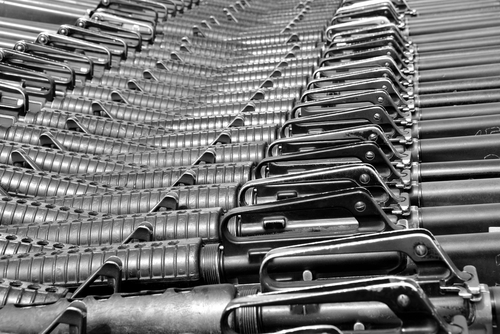
Sayhood added, “The acquisition of weapons is not new. Rather, it is a part of ancient social customs and traditions in which the tribe brags about the many and diverse arms its members have.”
The failure to disarm the tribes has prompted parliament member Ahmed al-Badri of the National Alliance to call on influential religious authorities "to take part in defusing tribal battles and to persuade them to give up their weapons."
Badri told Al-Monitor that “civil society organizations should launch voluntary awareness campaigns to educate against tribal violence and internal conflicts.”
Regarding this suggestion, Majid Alklipy, a leader from the al-Klipy tribe in Babil, told Al-Monitor, “Some tribes have laid the foundations for serious attempts to stop the conflicts by adopting codes of conduct in which the tribes are committed to using dialogue instead of fighting, and to resort to the judiciary and state institutions to resolve their differences.”
But Abdul-Hussein al-Khafaji, a tribal sheikh in Babil province, pointed out, “All of those agreements and codes that Alklipy was talking about will be in vain once a tribal conflict is ignited.”
Given that the tribal problem is correlated to today's political and security situation, many experts advise that the only way to curb tribal and zonal conflicts is for parliament members, state officials and other politicians to put aside their tribal and sectarian affiliations, promote social awareness of a national identity instead of tribal and sectarian identities and abide by the law.
(Weapons image via Shutterstock)
Comments are closed.