


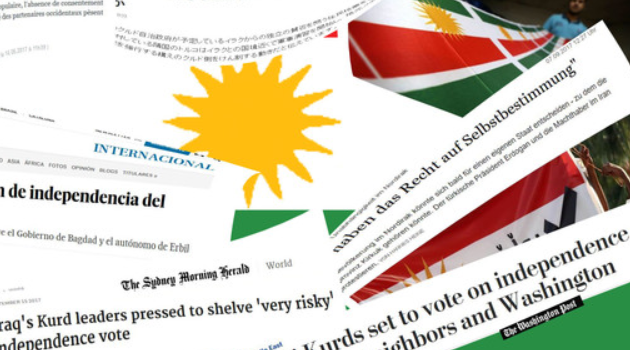
With the exception of several outstanding analyses and op-eds, most of the world’s press barely mentions the fact that that the Iraqi Kurdish parliament has been suspended for over a year and only recently limped back toward any sort of semblance of activity – and even then, opponents of the referendum refused to join in.
They tend not to explain that a financial crisis has wracked the region for almost as long, devastating local employment and business and fomenting local unrest. Also generally ignored: That, despite appearances, Iraqi Kurdistan is far from a genuine democracy, and even further from incorrupt, or even united. Even in Iraqi Kurdistan, many locals would freely acknowledge this – but it doesn’t stop them from longing for statehood anyway.
One of the most important factors in this whole situation, according to his critics anyway, is that the main proponent of this referendum – Massoud Barzani - is not even Iraqi Kurdistan’s legitimate president right now.
As the Washington Post recently wrote: “Kurdish critics of Barzani say he is using the vote to solidify his power and legacy at a time when his authority is weak because of a financial crisis.”
If you believe this, then Barzani is cruelly harnessing a popular sentiment, a long-held dream that nobody in Iraqi Kurdistan can oppose, for his own ends.
As a result, the dilemma around the passionate and understandable (and, in many ways, legitimate) demands for Kurdish independence are often framed as a fight between Baghdad and Erbil, something that might only need a little more negotiation to resolve.
Comments are closed.