


Iraq's Path to Energy Security is Taking Shape
Posted on 26 April 2025 .
By James Durso for OilPrice.com. Any opinions expressed are those of the author(s), and do not necessarily reflect the views of Iraq Business News.
Iraq's Path to Energy Security is Taking Shape
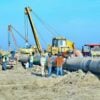
Iraq is moving to achieve energy security by diversifying its energy sources and reducing reliance on imports of Iranian electricity and natural gas.
A warning that expeditious action is needed was the removal of the U.S. sanctions waiver that allowed Iraq to import electricity from Iran.
Posted in Iraq Oil & Gas News Comments Off on Iraq's Path to Energy Security is Taking Shape
Can Iraq's Gas Projects Survive Trump's Iran Crackdown?
Posted on 06 April 2025 .
By Simon Watkins for OilPrice.com. Any opinions expressed are those of the author(s), and do not necessarily reflect the views of Iraq Business News.
Can Iraq's Gas Projects Survive Trump's Iran Crackdown?
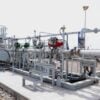
With US waivers on Iranian energy imports revoked, Iraq is under pressure to rapidly develop its own non-associated gas fields..
Posted in Iraq Oil & Gas News Comments Off on Can Iraq's Gas Projects Survive Trump's Iran Crackdown?

Video: Iraq's Economy between US, Iran: Perceptions & Realities
Posted on 01 April 2025 .
By John Lee.
The London School of Economics (LSE)'s Middle East Centre has hosted a talk by Ahmed Tabaqchali, exploring the economic and financial interactions of the Iraqi economy with the outside world, particularly the use of the dollar in relation to Iran and the US.
While the US' Iraq policy is still fluid, there have been signs that America's 'maximum pressure campaign' towards Iran will have spillover effects in Iraq, with the Trump administration viewing policy towards Iraq solely through the lens of a perceived threat of Iranian dominance in the country. Iran's economic footprint in Iraq, both perceived and real, will be an issue for Iraq and its relationship with the US and the West.
According to Tabaqchali's data, in 2024 China imported about 95 percent of Iran's 1.55 mbpd of oil exports, worth $36 billion; $3bn of LPG, and $11 billion in other imports, for a total of $50 billion, using an extensive global financial web. In the same period, Iraq imported $3 billion in gas and electricity (which Iran does not receive and which are governed by waivers for humanitarian goods), and $7.7 billion of private sector imports. "So," argues Tabaqchali, "which is the lung here?"
The session, chaired by Toby Dodge, ended by a lively 40 min Q&A session.
Click here to view the full discussion.
(Source: LSE)
Posted in Iraq Banking & Finance News, Iraq Industry & Trade News, Iraq Oil & Gas News, Politics, Security Comments Off on Video: Iraq's Economy between US, Iran: Perceptions & Realities
Mike Waltz: Investment Coordinator should facilitate US Business in Iraq
Posted on 10 March 2025 .
By John Lee.
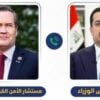
US National Security Advisor Mike Waltz held a call with Iraqi Prime Minister Mohammed S. Al-Sudani on Sunday, reaffirming Washington's commitment to strengthening bilateral relations with Baghdad.
Mr. Waltz extended Ramadan greetings and expressed concern over recent flooding in Baghdad. Discussions focused on economic cooperation, with Prime Minister Al-Sudani outlining his government's reforms to foster a stable, transparent, and investment-friendly environment. He reiterated Iraq's commitment to expanding economic ties with the US and attracting American investment.
Mr. Waltz linked the non-renewal of the sanctions waiver on Iranian electricity exports to President Trump's "maximum pressure" strategy against Iran, citing concerns over nuclear development and regional security threats. He encouraged Iraq's energy independence and called for greater US private sector involvement in Iraq's oil and gas sectors.
He also urged Baghdad to resolve contract disputes with the Kurdistan Regional Government (KRG) and settle arrears owed to US energy firms. Additionally, he proposed the appointment of an investment coordinator to facilitate US business operations in Iraq.
Both sides reaffirmed their strategic partnership, stressing the importance of building a self-reliant Iraq capable of maintaining sovereignty and stability.
Full statement from the Media Office of the Iraqi Prime Minister:
Prime Minister Mohammed S. Al-Sudani received a phone call today, Sunday, from U.S. National Security Advisor Michael Waltz, during which both sides reaffirmed their commitment to strengthening and deepening the strategic partnership between Iraq and the United States.
The discussions focused on enhancing bilateral cooperation in economic and security matters. Prime Minister Al-Sudani reiterated Iraq's commitment to expanding economic relations with the United States, encouraging American companies to invest in Iraq's growing market. He also reviewed key reforms and initiatives implemented by his government to create a stable, transparent, and investment-friendly environment.
For his part, National Security Advisor Waltz encouraged Iraq to engage more with American companies and work to resolve obstacles facing U.S. businesses operating in the country, including in the Kurdistan Region. He stressed the importance of facilitating their work and investment in Iraq.
Both sides also emphasized joint efforts to build a strong Iraq capable of self-reliance. The discussions covered resolving outstanding issues and the role of American companies in supporting Iraq's economic development. The United States reaffirmed its commitment to supporting Iraq's energy independence and expressed readiness to cooperate in accelerating progress toward this goal.
On security matters, Waltz reiterated the United States' unwavering commitment to Iraq's security and stability amid regional and international challenges. Both sides underscored the importance of continued cooperation to safeguard Iraq's sovereignty and long-term stability, especially given the current regional conditions.
Waltz also noted that the decision to end the waiver for Iranian-supplied electricity aligns with the Maximum Pressure Policy, emphasizing the need for bilateral coordination to mitigate any potential impact on Iraq's stability.
The call reaffirmed the strong partnership between Iraq and the United States, with both sides expressing a shared vision for a secure, prosperous, and sovereign Iraq.
Full statement from U.S. National Security Advisor Michael Waltz:
National Security Advisor Mike Waltz spoke on Sunday morning with Iraqi Prime Minister Mohammed Shiaa al-Sudani. The National Security Advisor wished Prime Minister Al-Sudani a Ramadan Kareem, and expressed his concerns regarding the recent flooding in Baghdad.
Mr. Waltz emphasized the importance of moving towards a win-win relationship based on mutual security interests and enhanced trade. Mr. Waltz noted that the decision to not renew the waiver of sanctions on Iranian electricity exports was consistent with President Trump's "maximum pressure" strategy on Iran, and that pressure on Iran would increase if Iran continued to develop a nuclear weapons capability and support terrorism across the region, including in Iraq.
Mr. Waltz welcomed the Iraqi Prime Minister's efforts to achieve energy independence for Iraq, and encouraged the Iraqi government to welcome more western and U.S. energy companies into Iraq's oil and gas sectors. The National Security Advisor urged the Iraqi government to work with the Kurdistan Regional Government to address remaining contract disputes and pay arrears owed to U.S. energy companies, and also requested that the Iraqi government retain an investment coordinator to work with U.S. companies seeking to invest and operate in Iraq.
The National Security Advisor thanked the Prime Minister for his commitment to the bilateral U.S-Iraqi relationship, and emphasized the Trump administration's commitment to deepening energy and economic ties between the two countries to benefit both the American and Iraqi peoples.
(Sources: PMO, @MikeWaltz47)
Posted in Investment, Iraq Industry & Trade News, Politics, Security Comments Off on Mike Waltz: Investment Coordinator should facilitate US Business in Iraq

Knights: "Make Iraq Independent of Iranian Energy"
Posted on 06 March 2025 .
By Michael Knights, for the Washington Institute for Near East Policy. Any opinions expressed are those of the author(s), and do not necessarily reflect the views of Iraq Business News.
Make Iraq Independent of Iranian Energy
By letting previous waivers expire, the United States can help Baghdad establish other suppliers and stand on its own feet for the first time.
Posted in Iraq Industry & Trade News, Iraq Oil & Gas News, Politics Comments Off on Knights: "Make Iraq Independent of Iranian Energy"

Iraq Reports 22% Growth in Tax Revenues
Posted on 25 February 2025 .
By John Lee.
Iraq's Higher Committee for Tax Reform has announced a 22-percent increase in tax revenues, reaching IQD 4 trillion [$3 billion] in 2024, as the country moves towards digitising its tax system to address name duplication issues and improve efficiency.
According to state-run Iraqi News Agency (INA), Khalid Al-Jabri, a committee member, stated that tax revenues for 2024 amounted to IQD 3.755 trillion, reflecting improved tax policies, enhanced collection efficiency, and streamlined administrative procedures.
It said key factors behind this growth include:
- Reduced corruption and faster transaction processing.
- Incentives such as penalty and interest waivers, encouraging taxpayers to settle outstanding dues.
Upcoming Digital Reforms:
- Resolving name duplication issues through a new digital system.
- Launching an online tax inquiry system, allowing taxpayers to check their financial status without visiting tax offices.
- Making corporate tax data electronically accessible to government agencies, improving transparency and investment processes.
Al-Jabri acknowledged longstanding challenges, including tax evasion and bureaucratic inefficiencies, which have hindered revenue collection. The new financial automation system aims to:
- Minimise human intervention in tax assessment and collection.
- Reduce irregularities in the tax process.
- Establish a more transparent and efficient tax framework.
He described these reforms as a major shift in Iraq's tax administration, fostering trust between the government and taxpayers while laying the groundwork for broader economic reforms.
(Source: INA)
Posted in Iraq Banking & Finance News, Politics Comments Off on Iraq Reports 22% Growth in Tax Revenues

Iraq Approves $4.5bn Basra-Haditha Oil Pipeline
Posted on 01 January 2025 .
By John Lee.
The Iraqi Cabinet has approved the Ministry of Oil's proposal for the construction of the Basra-Haditha oil pipeline, with a capacity of 2.25 million barrels per day. Key decisions include:
- Contract Approval: Endorsed a 5.97225 trillion dinar [$4.5 billion] contract between Basra Oil Company (BOC) and State Company for Oil Projects (SCOP), funded under the Iraq-China Framework Agreement.
- Pipeline Procurement: Approved the procurement of a 56-inch, 685-km crude oil pipeline with a reduced cost of 1.6205 trillion dinars, 5.5% below the estimated cost. The pipeline will use high-quality materials, subject to Ministry of Oil approval before manufacturing, with a delivery timeframe of 720 days.
- Regulation Waiver: Exempted the contract and procurement from the 2014 Government Contracts Execution Guidelines and associated regulations.
The project will be included in the operational budget of the Oil Projects Company before awarding the contract.
(Source: PMO)
Posted in Construction & Engineering In Iraq, Iraq Oil & Gas News Comments Off on Iraq Approves $4.5bn Basra-Haditha Oil Pipeline
US Investment Climate Statement for Iraq
Posted on 11 December 2024 .
By John Lee.
The US State Department issued its 2024 Investment Climate Statement for Iraq earlier this year.
The report covers the following key areas:
- Openness To, and Restrictions Upon, Foreign Investment
- Bilateral Investment and Taxation Treaties
- Legal Regime
- Industrial Policies
- Protection of Property Rights
- Financial Sector
- State-Owned Enterprises
- Responsible Business Conduct
- Corruption
- Political and Security Environment
- Labor Policies and Practices
- U.S. International Development Finance Corporation (DFC) and Other Investment Insurance or Development Finance Programs
- Foreign Direct Investment Statistics
- Contacts
Full text of the State Department report:
EXECUTIVE SUMMARY
STRONG GROWTH: Iraq is building apartment towers and new shopping malls, upgrading airports and ports, planning new roads, modernizing its agriculture, and striving to strengthen trade ties with neighbors and the west. Iraqis seek American and western consumer goods. Prime Minister Mohammed Shiaa al-Sudani, in office since late 2022, takes a hands-on involvement in reiterating that his country is ready to do business. Trade and investment were the centerpieces of Sudani's official visit to the White House in April 2024.
The Iraqi constitution grants the Iraqi Kurdistan Region (IKR) semi-autonomous rights, and IKR often serves as a starting location for U.S. businesses in Iraq. Among the IKR's commercial attractions is foreign companies may keep 100% ownership, whereas in federal Iraq, foreign ownership is limited to 49%. Neighboring countries figure strongly in Iraq's trade, with Turkiye and Iran at the top, along with China.
ECONOMY: The Government of Iraq (GOI) steers Iraq's economy, a legacy of decades of communist and autocratic decision-making, which to this day manifests itself in bloated ministries directing three-quarters of the economy. Oil exports serve as the foundation of Iraq's GDP. Iraq's GDP grew 7% in 2022, shrunk 2% in 2023, and is expected to grow moderately in 2024; headline inflation was 4.4% in 2022 and 4.0% in 2023 (all IMF data). Much of the non-state, non-oil economy is informal, cash-based, and vibrant. Investors will find opportunities from one extreme to the other: massive energy deals with ministries and importing brands to Iraqi kitchens.
SECURITY: Some militia groups mobilized in the fight against ISIS remain deployed, under only nominal GOI control, and influenced by Iran - as demonstrated by frequent attacks on Coalition and U.S. government installations October 2023 - February 2024. Notably, such violence did not target American businesses in Iraq, nor are U.S. businesses particularly targeted by criminal groups for being American. Militia groups were implicated in criminal activities, ranging from extortion to destruction of internet infrastructure to bombing energy infrastructure.
DUE DILIGENCE: Investors should complete due diligence on Iraqi partners before entering commitments. Iraq is an honor culture where relationships matter, but its courts are ill-equipped to sort out more dishonorable commercial issues that might arise between businesses. Iraq took a positive step in 2024 by signing the UN Singapore Convention on commercial mediation.
Companies could face long delays in getting paid if projects are tied to the federal Iraq budget, especially from GOI entities.
Difficulties with corruption, business registration, customs, taxes, selective application of regulations, dispute resolution, electricity shortages, and access to financing are common complaints for local and foreign companies in Iraq.
OPPORTUNITY: Despite these challenges, the Iraqi market offers potential for U.S. exporters. Iraq regularly imports U.S. rice and other agricultural commodities, machinery, consumer goods, aircraft, and defense articles. Iraq imported $950 million in goods from the United States in 2022 (most recent year available). Government contracts and tenders continued as the source of most commercial opportunities in all sectors. The GOI closed a giant $27 billion energy sector deal with France's TotalEnergies in 2023. Other deals were in the works that could help Iraq produce additional gigawatts of electricity through improved efficiency, new natural gas-fired plants, and - once the electrical grid is modernized - solar.
Tenders for two mega-projects are expected at the end of 2024: rehabilitating Baghdad's International Airport and building a north-south corridor of rail and roadways (the "Development Road"). Resolution of an oil dispute between the GOI and the IKR could also encourage additional hydrocarbon investment in the IKR.
IRAQI KURDISTAN REGION: While investors in the semi-autonomous IKR face many of the same challenges as investors elsewhere in Iraq, the IKR's friendlier investment climate (as noted, allowing 100% foreign ownership of a business) and a more commercial-friendly legal framework appeal to many U.S. firms and franchises.
Yet, concerns also abounded in the IKR: disputes with the central government over oil revenues and the Iraq-Turkiye Pipeline, tensions between the IKR's main political factions, domination of the economy by politically powerful families, significant non-payment or delays to foreign companies on government contracts, and reduced consumer demand when government salary payments are missed or delayed. Iran and Iran-aligned militia groups carried out dozens of missile attacks and drone strikes in the region, including lethal ones in Erbil and Khor Mor gas field in January and April 2024. Turkiye also routinely bombed alleged terror targets in IKR, though this activity infrequently affects international companies.
Trade data resources in addition to Table 1 Key Business Metrics and Rankings include:
- https://oec.world/en/profile/country/irq
- https://wits.worldbank.org/CountryProfile/en/IRQ#:~:text=Iraq%20had%20a%20total%20export,is%20222%2C434%2C137%2C055.84%20in%20current%20US%24 .
| Measure | Year | Index/Rank | Website Address |
|---|---|---|---|
| TI Corruption Perceptions Index | 2023 | 154 of 180 | https://www.transparency.org/en/cpi/2023 |
| Global Innovation Index | N/A | N/A | https://www.wipo.int/global_innovation_index/en/2023/ |
| U.S. FDI in partner country ($M USD, historical stock positions) | N/A | N/A | https://apps.bea.gov/international/factsheet/ |
| World Bank GNI per capita | N/A | N/A | http://data.worldbank.org/indicator/NY.GNP.PCAP.CD |
1. Openness To, and Restrictions Upon, Foreign Investment
2. Bilateral Investment and Taxation Treaties
3. Legal Regime
4. Industrial Policies
5. Protection of Property Rights
6. Financial Sector
7. State-Owned Enterprises
8. Responsible Business Conduct
9. Corruption
10. Political and Security Environment
11. Labor Policies and Practices
12. U.S. International Development Finance Corporation (DFC) and Other Investment Insurance or Development Finance Programs
13. Foreign Direct Investment Statistics
14. Contact for More Information
Embassy Baghdad Economic Section
Al-Kindi Street, International Zone, Baghdad
Office: +1-301-985-8841 x3013
[email protected]
https://iq.usembassy.gov/business/getting-started-iraq/
Posted in Agriculture, Construction & Engineering In Iraq, Employment, Healthcare, Investment, Iraq Banking & Finance News, Iraq Commodities & Mining News, Iraq Education and Training News, Iraq Industry & Trade News, Iraq Oil & Gas News, Iraq Public Works News, Iraq Transportation News, Politics, Security Comments Off on US Investment Climate Statement for Iraq
US Extends Waiver allowing Iraq to pay Iran for Electricity
Posted on 06 December 2024 .
By John Lee.
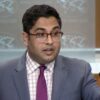
At a press briefing this week, US State Department spokesperson Vedant Patel (pictured) said the United States has issued another 120-day waiver to allow Iraq to continue importing electricity from Iran.
Addressing a question from the floor, Patel said:
"On November 7th, the department did renew Iraq's electricity waiver for the 23rd time since 2018. It was done so for an additional 120 days.
"We remain committed to reducing Iran's malign influence in the region. Our viewpoint is that a stable, sovereign, and secure Iraq is critical to these efforts.
"Since 2018 - as you know, this started in the previous administration - the State Department has permitted Iraq to purchase Iranian electricity while Iraq continues to develop its own domestic generation capacity."
(Source: US State Department)
Posted in Iraq Industry & Trade News, Politics Comments Off on US Extends Waiver allowing Iraq to pay Iran for Electricity

US renews Waiver for Iraq to purchase Iranian Electricity
Posted on 18 July 2024 .
By Elizabeth Hagedorn for Al Monitor. Any opinions expressed here are those of the author(s) and do not necessarily reflect the views of Iraq Business News.
US renews sanctions waiver for Iraq to purchase Iranian electricity
The waiver issued on July 11 permits Iraq to pay neighboring Iran for electricity imports without running afoul of US sanctions.
Click here to read the full article (subscription required).
Posted in Iraq Industry & Trade News Comments Off on US renews Waiver for Iraq to purchase Iranian Electricity