


Iraqi PM Announces Development Projects for Adhamiya
Posted on 02 July 2024 .
By John Lee.
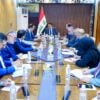
Prime Minister Mohammed Shia' Al-Sudani announced the launch of several projects aimed at developing the city of Adhamiya in Baghdad, during his visit on Saturday.
These projects span various sectors, including traffic management, urban services, electricity, education, healthcare, and heritage conservation.
Key initiatives include:
- Traffic Alleviation: Construction of a new bridge connecting Kadhimiya and Adhamiya, and linking Mohammed Al-Qasim Bridge with Al-Mashatel Street, Antara Square, and Al-Dalal Square.
- Urban Services: Cleaning and refurbishing streets and alleys, developing residential areas 308 and 310, enhancing eight main streets, and creating new city gates. Additionally, the Tigris River banks will be developed over a 1,650-meter stretch.
- Electricity: Installation of a new 33/11 kV substation and distribution stations to alleviate power supply issues.
- Education: Allocation of land for 21 new schools and the rehabilitation of 47 existing schools.
- Healthcare: Rehabilitation of 10 health centers and the renovation of the old Al-Numan Hospital.
- Heritage Sites: Restoration of the Imam Abu Hanifa mosque and shrine, along with the expansion of associated facilities and a new multi-story parking lot.
- Community Projects: Renovation of the youth forum, resolution of issues at the Scout Stadium, refurbishment of the Al-Talea Theatre, improvement of the elderly care home, and initiation of a river taxi service.
Al-Sudani emphasized that these projects are part of broader efforts to enhance services in Baghdad and other provinces, addressing historical, religious, and commercial aspects of Adhamiya. He noted the impact of population growth on service pressure, particularly in education and healthcare, and highlighted the importance of easing traffic congestion and diversifying transport routes.
A committee led by the Director of the Prime Minister's Office and representatives from relevant departments will oversee the implementation of these projects.
(Source: PMO)
Posted in Construction & Engineering In Iraq Comments Off on Iraqi PM Announces Development Projects for Adhamiya
Iraqi Cabinet Approves Measures to Enhance Electricity Supply
Posted on 26 June 2024 .
By John Lee.
In its latest session, the Iraqi Cabinet has approved several measures to address the electricity needs during peak summer periods and to develop the country's power infrastructure.
The key decisions include:
- Contract with Mass Holding Company:
The Ministry of Electricity has been authorized to contract with Mass Holding Company to supply electricity specifically to the northern region and the national grid. This contract is crucial due to the peak summer demand and the need for a stable electricity supply. The contract duration is three months, based on financial viability.
- Contract with Kar Group:
The Ministry of Electricity has also been approved to contract with Kar Company for the supply of electricity from Turkey. This agreement follows a reduced price formula approved by the Ministry of Electricity and is also for a duration of three months, addressing the peak summer demand and the financial capabilities of the ministry.
- Financial and Developmental Approvals:
-
- Authority for Loan Agreement: The Cabinet has empowered the Minister of Finance, or an authorized delegate, to sign the loan agreement for funding the project to supply and install five 132 KV substations. These substations will be located in South Khalidiya, Al-Suwaira, Al-Rumaitha, North Kirkuk, and Al-Rifai, benefiting the Ministry of Electricity. This approval is in line with the Federal Budget Law for the fiscal years 2023-2025.
- Approval of Financing Terms: The Cabinet has agreed to the financing terms outlined in the Ministry of Finance's letter dated June 23, 2024.
According to a press release from the Prime Minister's office, these measures are part of the government's broader strategy to ensure a reliable power supply, particularly during high-demand periods, and to advance the country's electrical infrastructure to support economic growth and stability.
(Source: PMO)
Posted in Iraq Industry & Trade News Comments Off on Iraqi Cabinet Approves Measures to Enhance Electricity Supply
New Bids Sought for Sadr City Housing Project
Posted on 24 June 2024 .
By John Lee.
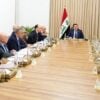
Prime Minister Mohammed Shia Al-Sudani chaired a meeting on Sunday with the higher committee overseeing the New Sadr City Project.
The meeting focused on the steps needed to complete this significant residential project and the overall financing mechanism to ensure all requirements are met. Al-Sudani instructed the Ministry of Electricity to quickly submit a comprehensive study, detailing the precise plan for the power station site that will supply the project.
Discussions also covered the project's final economic model, including execution phases, service complexes, and urban centers, aiming to finalize a design that suits the social and developmental needs of the beneficiaries.
The meeting approved re-inviting qualified companies to participate, with five out of 34 applicants initially found eligible. Two companies submitted proposals, but their costs were 17 percent above the project's estimated budget. This led to reissuing invitations for new bids and proceeding with invitations to companies for the infrastructure of the first phase, which includes 10,000 housing units.
(Source: PMO)
Posted in Construction & Engineering In Iraq Comments Off on New Bids Sought for Sadr City Housing Project

IBBC Conference: Much to Celebrate in Iraq as Energy takes Centre Stage
Posted on 18 June 2024 .
From the Iraq Britain Business Council (IBBC):
IBBC's 15th Anniversary Conference. Much to celebrate in Iraq as energy takes centre stage.
IBBC is celebrating 15 years in Iraq at a time when Iraq is moving into a new prosperous and stable era. IBBC Spring Conference at the Mansion House on 2nd July will reflect our members diversity and the modernisation that Iraq is currently experiencing. With an expanding stable economy and a service sector growing at 6% pa, Iraq is diversifying beyond its core energy sector and opportunities to invest have rarely been so healthy.
Of note is the presence of key delegates: H.E. Hayan Abdul Ghani Al-Sawad, Deputy Prime Minister & Minister of Oil, Ministry of Oil, H.E. Mr. Ali Mohsin Ismail Al Alaq, Governor of the Central Bank of Iraq, H.E. Mr Asaad Al Eidani, Governor of Basrah, Dr Fareed Yasseen, Iraqi Climate Envoy, Eng Adil Karim, Deputy Minister of Electricity, KRG ministers and keynote address from The Rt Hon Lord Howell of Guildford.
The Iraqi economy is quietly diversifying, with the evolution of services, travel, tech, and retail sectors, but the dominant energy sector is also evolving, with new players technologies and climate reduction activities. Oil and Gas are still at the centre of this conference and Iraq's economy, with the IBBC Energy Panel, which see the big players in energy policy and practice including Dr Luay Al Khateeb, Centre on Global Energy Policy - Columbia University, Ms Dunia Chalabi, TotalEnergies, Mr Zaid Elyaseri from BP, Mr Andrew Wiper from Basra Gas Company, Mr Hasan Hashmat from Hydro-C and Mr Ellis Renforth from Wood Plc
IBBC as champions of best practice and the private sector publish special reports and white papers for reform, and this conference 'Insights and Opportunities' will launch our latest reports from Professor Frank Gunter, IBBC Advisory Council, on Foreign exchange, banking reforms and de-dollarisation: 'Two Cheers for Iraq: The Dinar - Dollar Exchange Rate Challenges' and a new report on emergent agricultural initiatives through IBBC's Agritech committee with the Agriculture Minister.
Ministers will also address the procurement opportunities across $400bn Government investment in key sectors, agriculture, transport, infrastructure, and you will hear about regional development at special roundtables with KRG Ministers and the Governor of Basra.
Special education and skills sessions will follow two GOI MOU's with IBBC and last year's focus on integrating and adapting education skills and curriculum to the business requirements of a modern economy.
Transport too is booming, through the ports, where electronic trade has seen a 128% increase, and the dry canal project linking Basra to Turkey and the Mediterranean, silk road and European markets. The project will have profound impact on cities along the route and for both import and export trade. IBBC members CJ-ICM and Sardar Group will inform us of activities and the evolution of electronic and port management systems already in place (see our '23 report on ports).
Opening the conference the President of the Confederation of British Industry (CBI) Rupert Soames OBE gives a keynote speech from the British industrial perspective, and as a previous member of IBBC is well placed to comment of UK's business relationship and opportunities with Iraq.
Delegates will always find significant networking opportunities and the reception on 1st at the Mansion House celebrates IBBC's 15 years with a special exhibition on Gertrude Bell and our members activities, it's also the best informal networking opportunity among delegates, speakers and founder members and the chance to forge new friendships.
Iraq now enjoys a stable and focused government intent of reconnecting with the region, fiscal surpluses that are converting into new infrastructure projects, and a growing more prosperous population, keen for modernisation and the benefits of a consumer economy.
IBBCs membership matches this diversity, and the lineup of speakers and topics reflects today's Iraq. View the agenda here, and to register to attend the conference. We are certain there will be big demand for tickets register now to avoid missing out.
Join with us and share the insights and opportunities that a modern and stable Iraq now offers.
Sponsors: TBI,CJ-ICM, AAA Holding, Hydro-C, Sardar Group
Travel Partner: London Sky
Posted in Investment, Iraq Industry & Trade News Comments Off on IBBC Conference: Much to Celebrate in Iraq as Energy takes Centre Stage
Cabinet Approves Electricity Prices for Silver Crescent
Posted on 07 June 2024 .
By John Lee.
At its most recent meeting this week, the Iraqi Cabinet has approved the purchase prices for electricity bought from Silver Crescent:
- Energy purchase tariff on gas: $24.94 per megawatt hour (MWh);
- Energy purchase tariff on heavy fuel: $32.37 per megawatt hour (MWh);
- Combined cycle energy purchase tariff: $36.81 per megawatt hour (MWh),
provided that the contract period is 20 years.
The Ministry of Finance issued a payment guarantee for energy purchase dues from the Ministry of Electricity for the duration of the energy purchase contract of 20 years, from the competent committee.
According to its website, Silver Crescent is an Iraqi company headquartered in Baghdad (Ministry of Trade License #M SH A- 2 14182). It adds:
"Silver Crescent received an investment license number 460 from Al-Muthana Investment Commission to develop Al-Samawah Economic, Industrial, Commercial Services Axis on January 04, 2023.
"The project is currently developed on 5,000,000 M2 land 20KM South of Samawa City Center. The land is strategically located near the Strategic Gas Pipeline and National Electric Grid. The First Phase include the developments of 250MW Power Plant to provide electricity to 250,000 homes in Samawa and it should cover 50% of the current power shortage in the city."
(Sources: Ministry of Oil, Silver Crescent)
Posted in Iraq Industry & Trade News Comments Off on Cabinet Approves Electricity Prices for Silver Crescent
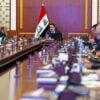
AMEA Power to pitch for 500-MW Solar Project in Iraq
Posted on 06 June 2024 .
By John Lee.
The Iraqi Council of Ministers has authorised the Ministry of Electricity to extend an invitation (the "sole offer") to the Emirati company AMEA Power to present its proposal to build a 500-MW solar power plant, with the option to add batteries.
This move allows the Ministry of Electricity to proceed with the necessary procedures in accordance with the Investment Law, aiming to increase Iraq's renewable energy capacity and reduce its reliance on fossil fuels.
The development of solar power projects is a key part of Iraq's strategy to address its chronic electricity shortages and meet the growing demand for power, while also mitigating the environmental impact of its energy sector.
(Source: Ministry of Oil)
Posted in Iraq Industry & Trade News 1 Comment
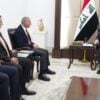
Iraqi PM meets with Egyptian Multinational Electrical Company
Posted on 05 June 2024 .
By John Lee.
Prime Minister Mohammed Shia Al-Sudani met with Ahmed El Sewedy, CEO of Egyptian multinational electrical company El Sewedy Electric on Monday.
The meeting focused on government efforts in economic reform, boosting industrial and agricultural activities, and enhancing the investment environment to attract major global companies across various sectors.
PM Al-Sudani highlighted investment opportunities in the gas and electricity sectors, the development of new industrial cities requiring comprehensive services, and opportunities in agriculture, including the establishment of modern irrigation equipment manufacturing plants. He emphasized Iraq's initiative in advancing the agricultural sector.
Ahmed El Sewedy expressed his company's readiness to invest and operate in Iraq, stating that El Sewedy Electric will develop cooperation mechanisms and agreements in multiple areas, to be announced soon.
(Source: PMO)
Posted in Construction & Engineering In Iraq Comments Off on Iraqi PM meets with Egyptian Multinational Electrical Company
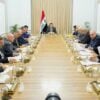
Development Road Project may include Pipelines, Cables
Posted on 03 June 2024 .
By John Lee.
Iraqi Prime Minister Mohammed Shia Al-Sudani chaired the regular meeting of the High Committee for the Development Road Project on Thursday.
The meeting included the Ministers of Transport, Planning, Oil, Electricity, and Communications, along with the Prime Minister's advisors. The discussion focused on the project's implementation procedures and progress on previous directives.
The meeting reviewed the service corridor study, which includes the paths for fiber optic cables, oil and gas pipelines, and electricity and renewable energy transmission. PM Al-Sudani instructed the Ministry of Oil to prepare a consultancy study to strategically integrate the ministry's projects for transporting and exporting oil and gas via the Development Road.
He emphasized that relevant ministries should submit ideas for review and that no decisions should be made outside the High Committee.
Other topics included integrating the project into the Planning Ministry's budget and updates on transit and customs. It was decided that the General Company for Land Transport would guarantee the transportation of goods along the Development Road for the time being.
(Source: PMO)
Posted in Construction & Engineering In Iraq, Iraq Industry & Trade News, Iraq Oil & Gas News, Iraqi Communications News Comments Off on Development Road Project may include Pipelines, Cables
IMF: Fiscal Expansion to Boost Growth in Iraq (FULL REPORT)
Posted on 20 May 2024 .
By John Lee.
The International Monetary Fund (IMF) has issued a detailed report on the Iraqi economy.
The following key points were highlighted:
- Improved Domestic Stability: Since the new government took office in October 2022, Iraq has experienced improved domestic stability. This facilitated the passage of its first three-year budget, which led to a large fiscal expansion starting in 2023.
- Economic Recovery: The fiscal expansion supported a strong recovery in Iraq's non-oil economy after a contraction in 2022. Despite regional conflicts, Iraq remained largely unaffected.
- Inflation Decline: Domestic inflation decreased to 4 percent by the end of 2023. This decline was attributed to lower international food prices, currency revaluation as of February 2023, and normalization in trade finance.
- Imbalances Worsened: Despite the positive aspects, imbalances worsened due to the large fiscal expansion and lower oil prices.
- Expected Growth in 2024: The ongoing fiscal expansion is anticipated to further boost growth in 2024. However, this expansion comes at the expense of a further deterioration of fiscal and external accounts, increasing Iraq's vulnerability to oil price fluctuations.
- Medium-Term Sovereign Debt Stress: Without policy adjustment, there's a high risk of medium-term sovereign debt stress, indicating potential fiscal challenges ahead.
- External Stability Risks: Iraq faces external stability risks, particularly concerning its vulnerability to fluctuations in oil prices. The ongoing conflict in Gaza and Israel also presents a potential downside risk.
In summary, while Iraq has experienced improvements in domestic stability and economic recovery, challenges remain regarding fiscal imbalances, external stability risks, and the potential impact of regional conflicts on its economy.
Click here to download the full 68-page report
Press release from IMF:
On May 13, 2024, the Executive Board of the International Monetary Fund (IMF) concluded the Article IV consultation[1] with Iraq and considered and endorsed the staff appraisal.
Domestic stability has improved since the new government took office in October 2022, facilitating the passage of Iraq's first three-year budget, which entailed a large fiscal expansion starting in 2023. This supported the strong recovery in Iraq's non-oil economy after a contraction in 2022, while Iraq was largely unaffected by the ongoing conflict in the region. Domestic inflation declined to 4 percent by end-2023, reflecting lower international food prices, the currency revaluation as of February 2023, and the normalization in trade finance. However, imbalances have worsened due to the large fiscal expansion and lower oil prices.
The ongoing fiscal expansion is expected to boost growth in 2024, at the expense of a further deterioration of fiscal and external accounts and Iraq's vulnerability to oil price fluctuations. Without policy adjustment, the risk of medium-term sovereign debt stress is high and external stability risks could emerge. Key downside risks include much lower oil prices or a spread of the conflict in Gaza and Israel.
Executive Board Assessment[2]
Executive Directors agreed with the thrust of the staff appraisal. They welcomed the strong economic rebound, declining inflation, and the improved domestic conditions which have resulted in the implementation of the first-ever three-year budget. Noting that risks are tilted to the downside, given regional conflicts and large dependence on volatile oil prices, and that the large fiscal expansion could result in fiscal and external imbalances, Directors underscored the need for sound macroeconomic policies and structural reforms to secure fiscal and debt sustainability, advance economic diversification, and achieve sustainable, inclusive, and private sector-led growth.
Directors emphasized that a gradual, yet sizeable fiscal adjustment is needed to stabilize debt in the medium term and rebuild fiscal buffers. They encouraged the authorities to focus on controlling the public wage bill, phasing out mandatory hiring policies, and mobilizing non-oil revenues, while better targeting social assistance. Directors agreed that prompt implementation of customs and revenue administration reforms, a full implementation of the Treasury Single Account, and a strict control and limit of the use of extrabudgetary funds and government guarantees are key to support fiscal consolidation. Limiting monetary financing and reforming the pension system are also important.
Directors commended the central bank's efforts to tighten monetary policy and enhance its liquidity management framework. Improving coordination between fiscal and monetary operations would help absorb excess liquidity and enhance monetary policy transmission. Directors concurred that accelerating the restructuring of the large state-owned banks is also essential. They encouraged further modernizing the private banking sector, including by facilitating the establishment of correspondent banking relationships, reducing regulatory uncertainties, and promoting efficiency and competitiveness of private banks.
Directors emphasized the need for structural reforms to unlock private sector development. They encouraged leveling the playing field between public and private jobs, boosting female labor force participation, and reforming education and labor laws. Directors agreed that improving governance and combatting corruption are also key and encouraged further strengthening the AML-CFT framework, enhancing public procurement and business regulations, and addressing electricity sector inefficiencies. Directors welcomed the renewed efforts toward WTO accession. They also encouraged the authorities to improve the coverage and timeliness of statistics.
Directors concurred that close engagement with the Fund, including through continued technical assistance, would be useful, and welcomed the authorities' request for a Policy Coordination Instrument.
It is expected that the next Article IV consultation with Iraq will be held on the standard 12-month cycle.
[1] Under Article IV of the IMF's Articles of Agreement, the IMF holds bilateral discussions with members, usually every year. A staff team visits the country, collects economic and financial information, and discusses with officials the country's economic developments and policies. On return to headquarters, the staff prepares a report, which forms the basis for discussion by the Executive Board.
[2] At the conclusion of the discussion, the Managing Director, as Chairman of the Board, summarizes the views of Executive Directors, and this summary is transmitted to the country's authorities. An explanation of any qualifiers used in summings up can be found here: http://www.IMF.org/external/np/sec/misc/qualifiers.htm.
| Iraq: Selected Economic Indicators, 2023-25 | ||||||||||||||||||||||||||||||||||||||||||||||||||||||||||||||||||||||||||||||||||||||||||||||||||||||||||||||||||||||||||||||||||||||||||||||||||||||||||||||||||||||||||||||||||||||||||||||||||||||||||||||||||||||||||||||||||||||||||||||||||||||||||||||||||||||||||||||
|
||||||||||||||||||||||||||||||||||||||||||||||||||||||||||||||||||||||||||||||||||||||||||||||||||||||||||||||||||||||||||||||||||||||||||||||||||||||||||||||||||||||||||||||||||||||||||||||||||||||||||||||||||||||||||||||||||||||||||||||||||||||||||||||||||||||||||||||
To browse our comprehensive library of reports on Iraq, click here.
Posted in Iraq Industry & Trade News, Politics Comments Off on IMF: Fiscal Expansion to Boost Growth in Iraq (FULL REPORT)
China's Geo-Jade in New Integrated Oilfield Project in Iraq
Posted on 20 May 2024 .
By John Lee.
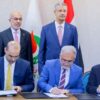
Iraq's Ministry of Oil has signed a Heads of Agreement (HoA) with the Chinese company Geo-Jade and the Iraqi company Crescent Basra (Hilal al-Basra) to invest in the integrated development project at the Tuba field, in the Zubair district of Basra.
According to a statement from the Ministry, the project would have a capacity for crude oil production of 200,000 barrels per day (bpd), along with 50 million cubic feet per day of gas.
Additionally, it includes the establishment of a refinery with a capacity of 200,000 barrels per day and the establishment of a petrochemical plant with an annual production capacity of 800 tons of polyethylene and polypropylene, as well as a fertilizer plant and the establishment of two power stations.
The Director-General of Basra Oil Company (BOC), who signed the Heads of Agreement with the consortium, said that the project will provide 1,200 megawatts of electricity through the two stations, a conventional 800-MW plant, and a 400-MW solar installation.
In a separate announcement this week, Geo-Jade was awarded the rights to develop the Jabal Sanam and Zurbatiya fields.
(Source: Ministry of Oil)
Posted in Construction & Engineering In Iraq, Iraq Industry & Trade News, Iraq Oil & Gas News Comments Off on China's Geo-Jade in New Integrated Oilfield Project in Iraq