


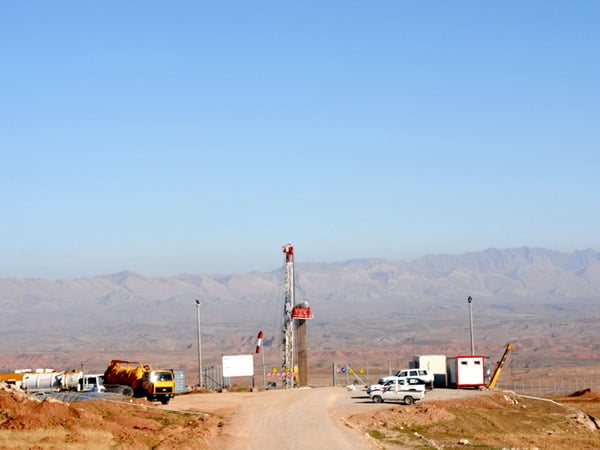
Still, the Kurdish themselves might argue that they’re still exporting oil because of what is coming out of Kirkuk, a disputed territory that they believe is part of Iraqi Kurdistan. In April, Kirkuk’s oil exports came to almost 400,000 barrels per day; Basra is exporting over 2 million barrels per day.
The northern Iraqi city of Kirkuk has actually been one of the flash points of this struggle, over the last four decades.
During former Iraqi leader Saddam Hussein’s regime, the Kurdish population was driven out of Kirkuk so that Arab Iraqis could control the oil rich area. After Hussein was removed in 2003, Article 140 of the Iraqi Constitution was formulated to remedy this so-called “Arabisation". This includes a census to determine the demographic makeup of the area’s population and then finally, a referendum to determine the status of disputed territories. Obviously if a census and referendum are used, then whether a disputed territory is home to mainly Kurds or mainly Arabs will have an effect on who can lay claim to it.
And in Kirkuk a census should have been taken already, with the city’s fate decided by its inhabitants. But an unwilling Iraqi central government and lacklustre Kurdish authorities have failed to make this happen.
Today Kirkuk remains largely Kurdish and the government of Iraqi Kurdistan claims it belongs to them. Although legally it belongs to Baghdad, currently the city is, in fact, under the de-facto control of the Kurdish government.
Which makes any oil deals here difficult. For example, oil giant BP was reported to have been in talks with Iraq’s federal government regarding a short term contract to boost oil production in Kirkuk. But the plan was a non-starter from the outset because nobody had asked the Kurdish authorities, who are really in charge in the city. A politically sensitive deal like this would require broad consensus.
Comments are closed.