


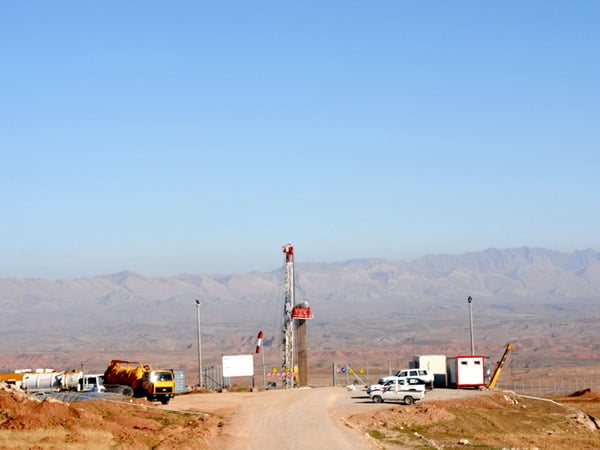
Even though Kirkuk, with one of the largest and most prolific oil fields in the world, has been producing oil from early on, the city’s residents are yet to reap the benefit of these riches. With rundown buildings and littered streets, Kirkuk epitomises the sorry state of the power struggle over the nation’s oil.
Iraqi oil exports are on the rise and could promise a new prosperity for a nation badly in need of it. If Kurdish oil were added to the flow, then that increase could be even higher. But the policies being pursued by Baghdad, which fail to acknowledge the entrenched reality in Kurdistan, only serve to deepen distrust in this divided land. And the longer the deadlock continues, the more expensive it is for oil companies to operate in Iraqi Kurdistan and the more difficult it is, to secure funding for new oil industry projects there.
It is hard to take the politics out of oil or vice versa. But decisions relating to the oil industry and attempts to maximise its potential must be based on the commercial interests of the country. Currently oil issues are highly politicised in Iraq – so there can only be further confrontation.
If the current impasse continues, Iraqi Kurdistan will continue to try and look elsewhere to sell its oil and the rest of Iraq will remain resentful that the Kurdish still benefit from funds, from oil produced outside of the Kurdish region.
And while PM al-Maliki keeps centralising power, leaving most of Iraq’s other political groups feeling marginalised, the Kurdish are only becoming more stubborn: they see oil as the only tool they have left with which to exert any influence.
Yes, it is easy to understand the points that both sides in this tussle have to make. But Baghdad’s failure to accept reality and the Kurdish inability to compromise is only set to make both sides drift further apart.
(Source: NIQASH)
*Production sharing contract: An agreement between a government and an oil company that says they both share in production costs. The contractor typically pays for exploration, development and production costs of an oil field. They will eventually get their money back because of an agreement made about how much of the oil revenue they will be paid. While an oil company takes on more risk and financial burden here (say, if the oil is not found), they may also benefit from higher revenues once the oil starts flowing.
Comments are closed.