


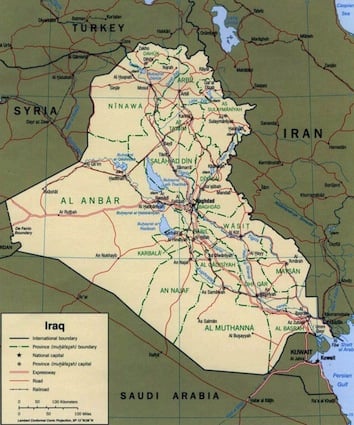
The north of Iraq has been a focal point for the week. Aside from the persistent attacks against key oil infrastructure and the daily churn of violence in the northern cities transnational influences from the Turkey and Syria have dominated the reporting period.
This week the PKK rejected claims by Turkeys Prime Minister that they had failed to withdraw enough troops from the Qandil Mountains as part of their ceasefire agreement
In the latest salvo in a war of words highlighting distrust between the two sides, the PKK said Ankara had failed to take steps beyond halting military action to end a conflict, which has killed more than 40,000 people. Prime Minister Erdogan was quoted as saying last week that the PKK had not kept a promise to withdraw from Turkey, with only 20 percent of PKK rebels leaving, mostly women and children. "Our forces have followed the withdrawal decision to the letter and the implementation process is continuing," the PKK said in a statement, without specifying how many fighters had left. It added it would continue to do what was required.
The ceasefire by in large has held but PKK commanders have warned of new clashes if Turkey does not take concrete steps to advance the process by September. To keep the process on track, the government is expected to begin debating a package of reforms this week aimed at bolstering Kurdish rights and boosting democracy, a move that is widely unpopular in Turkey and Baghdad. Whilst the groups have yet to break out into open conflict again the dynamic could become more complex as Iraq has already openly suggested that they will not welcome the PKK across their border, which once again places them at loggerheads with the Kurdish factions in the north.
Comments are closed.