


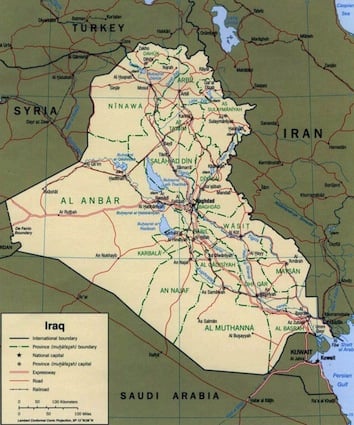
The Syrian conflict is increasingly affecting the Iraqi fabric. About 35,000 Syrian refugees have poured into neighboring Iraqi Kurdistan over a new border crossing since Thursday, fleeing a surge in attacks by al Qaeda-linked Sunni Arab rebel group al-Nusra Front on Kurdish villages near the border.
This sudden exodus has raised the prospect of Iraq being dragged deeper into Syria's war. The leader of Iraq's Kurdish region, with thousands of troops under arms, last week pledged to protect his kinsmen in Syria from attacks by al Qaeda-linked fighters who hold territory on both sides of the frontier.
Kurds have become one of the warring parties in Syria since the opposition to President Bashar al-Assad splintered on sectarian and ethnic lines. In the northeast, Kurds have flown their own flag over towns and villages, suggesting an aim to create an autonomous region similar to the autonomous Kurdish region across the border in Iraq. A month ago, Syrian Kurdish forces won control of the town of Ras al-Ain on the Turkish border in battle with al Qaeda-linked fighters. In response to the Kurdish gains, Sunni Islamist rebels have stepped up their attacks in northern Syria in the last 10 days according to the Syrian Observatory for Human Rights, a Britain-based monitoring group.
The Sunni Islamist rebels have been fighting against Kurds across a swathe of northern Syria where Kurds are concentrated, including around Aleppo and near Turkish border crossings in a similar fashion to the conflict that persists in the disputed areas of northern Iraq around Kirkuk.
Syria's civil war is now deeply connected to the worsening violence across the frontier in Iraq, with Sunni Islamist militants on the Syrian side joining forces this year with Iraq's own resurgent branch of al Qaeda. In Iraq, al Qaeda attacks on civilians and the security forces have brought violence to levels unseen for at least five years.
Earlier this month Iraqi Kurdish leader Massoud Barzani said his regional government would "make use of all of its capabilities to defend women and children and innocent civilians" on the Syrian side of the border. Barzani controls thousands of highly-trained and capable troops in his regional security forces known as Peshmerga, which would have a major impact if they joined the war in Syria. Kurdish officials have played down the idea of direct military action, insisting that Barzani is offering only humanitarian aid, political pressure, diplomatic support and coordination.
Comments are closed.