


On The Million And More Refugees In Iraqi Kurdistan, And Whether They’re Being Discriminated Against
NIQASH: What can you tell us about the latest influx of refugees now in Iraqi Kurdistan?
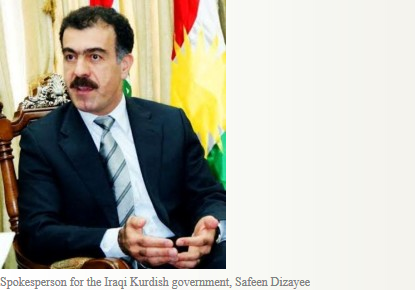
Dizayee: Since the beginning of 2014, we’ve had 850,000 refugees coming into Iraqi Kurdistan. We already had about 350,000 internally displaced Iraqis, mainly from the central and southern parts of Iraq, come into the region after 2005 – but most of these people are now settled here and they have jobs.
There are also around 230,000 Syrian Kurds here, who came to Iraq after civil war broke out in their own country. So in total we have about 1.4 million refugees and displaced people in Iraqi Kurdistan, all from different areas of Iraq and from Syria. This huge number has really burdened the regional government financially and we need help from the international community to assist all of these refugees.
[When the world’s attention was focused on Sinjar and] there were large numbers of people hiding on Mount Sinjar, there was a lot of humanitarian aid and it reached those people quickly. Now there’s no doubt amounts are dropping. But in general, aid is still continuously reaching the refugees. Despite this, it’s still not enough – especially considering the magnitude of the situation – so we thank the international community but we urge them to continue helping, especially before winter starts here.
NIQASH: In its latest report on the situation here, the United Nations accused the region’s government of discriminating between different types of refugees – and in particular between refugees from Syria who tend to also be Kurdish and refugees from other parts of Iraq, who are more likely to be Arabs.
Dizayee: Any such accusations, no matter who they come from, are baseless. We reject them. In fact, some senior United Nations officials have visited Iraqi Kurdistan and the refugee camps here and they have praised the region’s government and the region’s people.
Despite the financial crisis that is impacting Iraqi Kurdistan, we continue to receive refugees of all ethnic groups and from all religions. The fact that the latest United Nations report mentioned something like this was an unpleasant surprise for us too.
Comments are closed.