


Iraqi Inflation Hits 5.7%
Posted on 26 April 2011 .
The advisor to the Iraqi Central Bank (ICB) has said that inflation jumped from 5.5% in February to 5.7% due rising electricity prices in Iraq.
Muzher Mouhammed told AKnews that the high rate of inflation in Iraq is due to the March hike in electricity prices.
"The rising inflation simply affects the economy but does not compromise the value of the Iraqi Dinar," he assured, "...the ICB has taken steps to curb increases in inflation".
The main task of the ICB is to maintain price stability, to implement monetary policy, to manage foreign currency reserves, to issue currency and to regulate the banking sector.
(Source: AKnews)
Posted in Iraq Banking & Finance News, Iraq Industry & Trade News Comments Off on Iraqi Inflation Hits 5.7%

Shanghai Electricity Wins $1bn Iraq Power Contract
Posted on 25 April 2011 .
Reuters reports that Iraq's electricity ministry has signed a $1 billion [1.2 trillion Iraqi dinars] deal with China's Shanghai Electric on Monday to nearly double the size of a power plant south of Baghdad.
The plant in the town of Zubaidiya was initially intended to have four 330 MW generators, giving a total capacity of 1,320 MW, but the new deal would see two additional 610 MW units installed to expand capacity to 2,540 megawatts.
Shanghai started work last May on Phase 1 of the plant, which was valued at $924 million.
"Thermal power plants are the backbone of the electricity system," the Electricity Minister Raad Shallal said at the signing ceremony. "The long term plan of the ministry is the thermal plants."
(Source: Reuters)
Posted in Iraq Oil & Gas News, Iraq Public Works News Comments Off on Shanghai Electricity Wins $1bn Iraq Power Contract
Anbar Gets $125m in Border Receipts
Posted on 20 April 2011 .
Al-Anbar received 150 billion Iraqi Dinars [$125 million] in revenues from its border crossings in the year 2010, according to the chairman of provincial council’s investment commission.
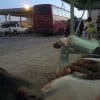
“The sum of 150 billion dinars was received in returns from the three border outlets of Turaybeel [Tirbil, Tarbiel] (pictured), al-Tanaf and Arrar for 2010 and was transferred to the province’s budget,” Muzher Hassan told Aswat al-Iraq news agency.
“The provincial council has laid plans for projects in the health and service areas, namely sewage and electricity, as part of the sums to be obtained by Anbar from border outlets revenues,” he added.
(Source: Aswat al-Iraq)
Posted in Iraq Industry & Trade News Comments Off on Anbar Gets $125m in Border Receipts
Lanco Infratech Lowest Bid for Anbar Power Plant
Posted on 17 April 2011 .
Six companies, including the world’s biggest power-grid supplier, ABB Ltd, have been selected to bid to develop a power plant in western Iraq, according to a report from Bloomberg.
Lanco Infratech Ltd. (LANCI) of India, Techint Group of Italy, Hyundai Engineering & Construction Co. from Korea, as well as Turkish and Iraqi companies were preselected to bid for the project, the agency reports Deputy Electricity Minister Salam Qazaz as saying at a press conference in Baghdad on Sunday.
The lowest bid came from Lanco Infratech, which offered to build the natural-gas-fired 250 megawatts power station in Al Qaim in the Al Anbar province near the Syrian border for $81.3 million over 16 months, Qazaz said. The winner will be announced within 10 days.
(Source: Bloomberg)
Posted in Iraq Oil & Gas News, Iraq Public Works News Comments Off on Lanco Infratech Lowest Bid for Anbar Power Plant
Busy Trade Fair Schedule in Kurdistan
Posted on 17 April 2011 .
The Kurdistan Region is once again preparing to host more than ten trade shows this year. Now firmly established as the centre for Iraq’s largest trade exhibitions, the fairs provide a meeting point for international companies, local firms and government officials from all parts of Iraq.
The trade fairs are held in dedicated exhibition spaces. Erbil International Fair Ground, which is located in central Erbil in Sami Abdul Rahman Park, has 24,000 square metres of exhibition space and has established itself as the leading exhibition space in Iraq.
These are the main trade fairs that are planned for the Kurdistan Region this year, listed in date order.
3rd Erbil Trade Solo Exhibition for Construction and Municipalities 2011 & Erbil Stone
3 - 6 March 2011
Website: www.pyramidsfair.com
5th Erbil International Book Fair
2 - 11 April 2011
1st Airports Expansion, Cargo & Logistics Conference and Exhibition, Erbil
26 – 28 April 2011
Website: http://www.arabianreach.com/iraq/
The first of its kind to be held Erbil, this exhibition is expected to attract more than 5,000 trade visitors, buyers and government officials from the respective ministries.
The show will feature the array of exhibitors from various segments of the industries who will be keen to tap into the highly lucrative airports and logistics sector. The conference and exhibition are supported by government ministries and various trade associations across the globe.
4th Iranian Industries Fair, Erbil
11 – 15 May 2011
Website: www.urmiafair.com
5th Italian Expo for Industries and Technologies, Erbil
11 - 14 June 2011
Website: www.italianexpo.it
2nd DBX Duhok International Expo
11 - 14 September 2011
Website: http://dbxkurdistan.com/duhok/2011/
With its geographic location close to the border with Turkey, Duhok governorate is a thriving commercial and tourist hub and a trading post for all of Iraq. Dohuk is expected to have its own airport within the next few years.
Project Iraq, PMV Iraq, and Elenex Iraq, Erbil
19 – 22 September 2011
Website: www.project-iraq.com , www.elenex-iraq.com and www.ifpiraq.com
These three exhibitions, Project Iraq, PMV Iraq and Elenex Iraq will be held concurrently.
Project Iraq, in its 4th year, is the international trade exhibition for construction, building materials, equipment & environmental technology. Last year more than 20,000 key industry players attended: architects, engineers, contractors, construction specialists, diplomats, high-ranking officials, regional and national investment authorities, local and regional VIPs, besides the media. Of the 302 exhibitors, more than 200 were international companies from 24 countries.
At PMV Iraq, heavy plant, construction machinery and vehicles will be exhibited. All exhibitors at the show last year were positive about their trade fair presentation and were highly satisfied with the presence of major key players. Visitors were nearly all experts and representatives from the sector.
Elenex Iraq will channel the huge demand for electricity, power generation, electrical equipments, lighting and all other products and services related to the field of electricity that originates from the construction sector.
Makinat Iraq 2011, Erbil
3 - 6 October 2011
Website: www.makinat-iraq.com and www.ifpiraq.com
With Iraq's industrial sector taking speedy steps towards recovery, Erbil, the northern gateway to Iraq, will showcase the latest developments in machinery, machine tools, equipment, accessories and spare parts by Iraqi, regional and international manufacturers and suppliers.
Iraq Medicare Fair, Erbil
4 - 6 October 2011
Website: www.iraqmedicare.com and www.ifpiraq.com
The first 2010 Iraq Medicare show brought together more than 150 international exhibitors and attracted more than 2,400 professional health sector visitors, health officials and buyers and key media representatives from Kurdistan and the other Iraqi regions.
Iraq Medicare sets high standards in the industry by offering a professional setting that allows companies from Iraq and around the world to showcase their latest healthcare products, equipment and services, and to reach doctors, hospitals, buyers and health sector professionals from the Kurdistan Region and the rest of Iraq.
Suleimaniah International Expo
10 – 13 October 2011
Website: www.pyramidsfair.com
7th Erbil International Trade Fair, Erbil
24 - 27 October 2011
Website: www.eif-expo.com and www.ifpiraq.com
Erbil International Fair is the largest general trade fair in Iraq covering various economic sectors. Supported by a large number of trade promotion agencies, chambers of commerce, trade associations, ministries and embassies, the fair will attract more than 850 exhibitors from over 25 countries from around the Middle East, Asia, the Americas and Europe.
7th DBX Suleimaniah International Expo
1 - 4 November 2011
Website: http://dbxkurdistan.com/sulaymaniyah/2011/
Suleimaniah is Kurdistan’s most populous city and governorate. Organised by the Iraqi-American Chamber of Commerce and Industry, the DBX Suleimaniah International Expo is in its seventh year and growing fast. Over 550 international and local companies participated last year, attracting more than 95,000 visitors.
4th Iraq Agro-Food Fair, Erbil
21 - 24 November 2011
Website: www.iraqagrofood.com
Serving the developing Iraqi market, Iraq Agro-Food 2011, the specialized agriculture technology, food, food processing and packaging exhibition, was created in 2008. Since its inception, this event attracts the most important decision makers, from industry experts to Kurdistan Regional Government and Iraqi federal government officials.
Iraq Agro-Food 2011 offers a unique opportunity for national and international agriculture and food experts to meet manufacturers, suppliers, traders and businessmen, and be up to date with the latest equipment as well as research and findings from the industry. Represented product groups at the event include agricultural products and machinery, food and beverages, fertilizers and pesticides, food additives, processing technology and packaging materials.
Last year’s exhibition brought together 350 exhibitors from 17 countries, and attracted 18,000 local, regional and international quality visitors from over 25 countries as well as 40 media representatives.
Suleimaniah Build Expo
29 November – 2 December 2011
Website: www.pyramidsfair.com
Household and Hotel Equipment Fair, Erbil
5 – 8 December 2011
Website: www.pyramidsfair.com
5 in 1 Expo, Erbil
5 – 8 December 2011
Website: www.pyramidsfair.com
Posted in Iraq Industry & Trade News Comments Off on Busy Trade Fair Schedule in Kurdistan

Iraq May Buy Electricity from Armenia
Posted on 13 April 2011 .
Iraq may purchase electricity from Armenia, said Vice-Prime Minister of IraqSaleh al-Mutlaq at the meeting with Armenian Ambassador Murad Muradian.
The sides discussed possible areas of economic cooperation, including ways of supplying electricity from Armenia to Iraq, expressing the hope that this problem will be resolved.
Ambassador Muradian informed the vice-prime minister of Iraq that the Armenian side will present a discussion of two agreements to the Iraqi side -- on economic cooperation and investment protection -- in the near future.
The two also discussed the possible participation of Armenia in the process of rehabilitating Iraq, particularly in the area of the apartment building.
At the end of the meeting the Armenian ambassador gave al-Mutlaq an invitation on behalf of the Deputy Prime Minister of Armenia to visit the Armenian capital, Yerevan.
Accepting the invitation, al-Mutlaq noted that he will visit Armenia in the near future, accompanied by high officials and Iraqi businessmen.
(Source: ARKA)
Posted in Construction & Engineering In Iraq, Iraq Industry & Trade News Comments Off on Iraq May Buy Electricity from Armenia

Sadr Power Station Starts Operation
Posted on 13 April 2011 .
Iraq's Ministry of Electricity announced on Tuesday the experimental launch of a number of electrical units in the al-Sadr gas station. According to the report from AKnews, the plant is operated by the Iranian company Snair (which Iraq Business News believes to be Sunir).
The ministry’s media spokesman, Musab al-Mudarres, told AKnews that the station will provide the Iraqi network with a total of 640 MW with two of the station’s six units operational.
The Electricity Ministry presented in December projects for the construction of four gas-powered electricity generating plants for investment within the first licensing round, in order to double its production over the coming years.
"The Ministry of Electricity is working in coordination with the Iranian company to resolve the technical obstacles that hinder the completion of the al-Sadr gas station,” Mudarres said.
The Iraqi government has announced plans to increase the country’s generative capacity to 27,000 megawatts over the next four years, requiring an investment of between $3bn and $4bn per year.
(Source: AKnews)
Posted in Construction & Engineering In Iraq, Iraq Public Works News Comments Off on Sadr Power Station Starts Operation
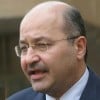
KRG Prime Minister's Statement on Oil and Gas Laws
Posted on 12 April 2011 .
Today [Monday] the Kurdistan Regional Government (KRG) Prime Minister Barham Salih, following the visit to Erbil of Iraqi Federal Finance Minister Rafie al-Issawi, welcomed the new efforts made by all parties in the federal government on Iraq’s planned oil and gas legislation.
“We have had excellent discussions with Finance Minister al-Issawi,” said Prime Minister Salih. “The formation of the new government in Baghdad under the premiership of Dr Maliki has clearly been an opportunity to address these important oil and gas issues. The planned legislation will address oil and gas revenue distribution policy and improved oil exports.”
Federal legislation
Prime Minister Salih confirmed that the KRG has received from the federal government proposed drafts of an Iraqi National Oil Company (INOC) law and a revenue sharing law from Baghdad for the KRG’s review.
On the progress made on the advancement of much needed federal legislation, Prime Minister Salih stated, “It is essential that all the inter-related laws of the INOC, Federal Hydrocarbon Law and the Ministry of Oil Restructuring Law are presented to the Parliament as a package to ensure consistency and to avoid further delays.”
On cooperation with Baghdad, Prime Minister Salih said, “The KRG believes that close cooperation on oil and gas strategy and export policies is vital to the security and well-being of the people of Iraq.”
He added, “The KRG Ministry of Natural Resources has accepted an invitation to support the advisory office of the federal Prime Minister and its international consultants on an integrated energy strategy for all of Iraq.”
KRG oil export and contractor payments
Oil exported from newly discovered fields in the Kurdistan Region is currently being marketed by the federal government’s State Oil Marketing Organisation (SOMO), with a percentage of the revenues to be allocated to the contractors via the KRG, according to the recent agreement between Erbil and Baghdad.
Prime Minister Salih stated, “The federal government had previously committed itself to the payment of KRG oil contractors. These contractors are now adding significant volumes to Iraq’s oil exports.”
“Under the management of the KRG Ministry of Natural Resources and the leadership of our Minister Dr Ashti Hawrami, we are now exporting via Turkey significantly more than 100,000 barrels of oil per day. That volume is increasing day by day,” Prime Minister Salih said.
He added, “The KRG has today presented its first oil export statement to the federal Finance Ministry for over five million barrels of oil delivered to SOMO since the commencement of export earlier this year. The KRG expects to receive from Baghdad its first payment for the Kurdistan Region contractors, as previously agreed with Prime Minister Maliki.”
Posted in Iraq Oil & Gas News Comments Off on KRG Prime Minister's Statement on Oil and Gas Laws
Hyundai Offers Lowest Bid for Najaf Power Plant
Posted on 12 April 2011 .
South Korea's Hyundai Heavy Industries has tendered the lowest of six bids for the construction of a 500-megawatt natural-gas fired power plant in Najaf, an Iraqi Electricity Ministry official said.
According to Bloomberg, Hyundai bid $158.9 million for the work; Metka SA (METTK) of Greece, Turkey’s Enka Insaat & Sanayi AS, Lanco Infratech Ltd. (LANCI) of India, and companies from Iraq and Jordan also bid for the project, Deputy Electricity Minister Salam Qazaz said in an interview.
The plant is to be built within 18 months.
“The winner of the bid will be announced between three days and one week following a study of technical and financial aspects of the tender,” Qazaz said in Baghdad.
In a separate bid, Hyundai Heavy, Lanco Infratech, three Iraqi groups and an Italian company submitted offers to build a 250-megawatt power station in Al-Qaim in western Iraq, Sabih Ishak, a director general at the Electricity Ministry, said in an interview from Baghdad. Results will be announced April 17, he said. The plant will run on gas from the nearby Akkas field, he said.
Iraq’s electricity plants and distribution system have suffered through years of conflict, sanctions and sabotage. Iraqis receive power from the national grid for an average of about one hour in every five. Frequent outages hamper economic reconstruction, and protests over unreliable electricity supplies have made the issue a major concern of the government.
Former Electricity Minister Karim Wahid resigned last June after two people were killed in riots over blackouts and power rationing. Prime Minister Nuri al-Maliki pledged to address the problem after forming his new government in December.
A group of South Korean companies signed contracts on April 7 to build 25 power stations, half of 50 that are planned at a total value of $6.25 billion. Caterpillar Inc. (CAT) and Man SE (MAN) are among companies that have bid for the remaining 25 plants, Electricity Minister Raad Shallal said on March 23.
The government also invited bids in December for the construction of four bigger plants that would raise generating capacity by a combined 2,750 megawatts. Those bids will be for a 1,250-megawatt plant near Basra, and three plants of 500 megawatts each in the cities of Samawa, Diwaniya and Amarah.
(Source: Bloomberg)
Posted in Construction & Engineering In Iraq, Iraq Public Works News 1 Comment
Iraq Shortlists 2 Firms for $1bn Power Plant
Posted on 07 April 2011 .
Iraq's Electricity Ministry said on Wednesday it had shortlisted two private Kurdish-owned companies to build and operate a power plant costing up to $1 billion in Iraq's southern Basra province, Reuters reports.
The companies concerned are the Jordan-based Mass Global Investment Co and Arbil-based Kar Group. A winner will be selected at the end of April, electricity ministry spokesman Musab al-Mudarres said in a statement.
The 1,250 megawatt power plant will be constructed on a build-own-operate basis in the Shatt al-Basra, Iraq's southern oil hub. The winning company will then sell the power generated by the plant to the government, the statement said.
The plant is due to start operating in May 2013.
(Source: Reuters)
Posted in Iraq Oil & Gas News Comments Off on Iraq Shortlists 2 Firms for $1bn Power Plant