


IMF issues Iraq Report: Forecasts Growth of 3.1%
Posted on 10 July 2025 .
By John Lee.
The International Monetary Fund (IMF) has said that Iraq's economy is facing considerable headwinds, with non-oil sector growth slowing from 13.8 percent in 2023 to an estimated 2.5 percent in 2024, impacted by reduced public investment, a weaker trade balance, and financing constraints that led to the accumulation of arrears.
Real GDP growth is projected at 3.1 percent for 2025, with inflation of 2.9 percent.
The IMF has warned that Iraq's large fiscal expansion in recent years has left the economy highly vulnerable, especially as global oil prices decline. The required oil price to balance the budget has risen from $54 in 2020 to around $84 in 2024. The IMF projects that financing constraints, lower investment, and limited growth prospects will persist, placing additional stress on public finances.
Key recommendations to stabilise Iraq's economy include:
- A substantial fiscal adjustment to mitigate risks and stabilise public debt.
- Reviewing spending plans for 2025, postponing non-essential expenditures, and implementing public sector wage reforms.
- Increasing non-oil revenues through higher excise taxes, customs duties, and personal income tax reforms.
- Introducing a general sales tax (VAT) and implementing a comprehensive public pension reform.
On the revenue side, the IMF suggests improving tax administration and focusing on customs duties, while on the expenditure side, it calls for reforming public sector hiring practices and reducing unnecessary spending.
In addition, the IMF stresses the importance of supporting infrastructure projects that foster economic diversification, particularly in transportation, trade, electricity, and energy sectors. Reforming the electricity sector and expanding natural gas development are highlighted as crucial for long-term economic growth and energy security.
The IMF also recommended improving Iraq's financial system by continuing reforms to state-owned banks and exploring options to strengthen the private banking sector. Further efforts to combat money laundering and terrorism financing are also critical.
In the medium term, structural reforms across the labour market, business regulations, and governance are vital to unlocking Iraq's economic growth potential. Enhancing labour force participation, particularly among women, and tackling bureaucratic obstacles are seen as key drivers of non-oil GDP growth.
Efforts to reduce corruption and strengthen governance, particularly within state-owned enterprises, are central to building investor confidence and ensuring the sustainability of Iraq's reforms.
However, significant challenges remain due to ongoing data deficiencies, which hinder the IMF's ability to fully assess Iraq's economic situation and provide effective policy recommendations.
[Update 14th July 2025: See follow-up statements here and here.]
Full statement from the International Monetary Fund:
The Executive Board of the International Monetary Fund (IMF) concluded the Article IV consultation[1] with Iraq and considered and endorsed the staff appraisal without a meeting on a lapse-of-time basis[2].
- Iraq has managed to uphold domestic stability despite regional turmoil and global uncertainty. At the same time, the non-oil economy slowed down in 2024 following a very strong growth in 2023. Inflation has remained subdued amid weaker demand. Financing constraints and lower oil revenues are expected to constrain fiscal spending, taking an additional toll on economic activity.
- Against a baseline of low oil prices, fiscal deficits and external accounts are projected to deteriorate further over the medium term unless significant reforms are undertaken to increase non-oil revenues, control the public wage bill, and boost non-oil growth potential through an ambitious structural reform agenda.
Executive Board Assessment
Iraq's economy is facing considerable headwinds. Iraq's non-oil sector growth slowed from 13.8 percent in 2023 to an estimated 2.5 percent in 2024, impacted by reduced public investment, a weaker trade balance, and financing constraints that led to the accumulation of arrears. Going forward, financing constraints, subdued investment and constrained growth potential are expected to weigh on growth and intensify preexisting fragilities.
The large fiscal expansion in recent years has increased Iraq's vulnerabilities, which are further exacerbated by the recent decline in oil prices. As spending expanded and non-oil revenues stagnated, the oil price required to balance the budget increased to around $84 in 2024, up from $54 in 2020. The financing constraints that emerged in 2024 are expected to worsen this year in light of the oil price drop. Furthermore, risks of sovereign debt stress have risen, calling for urgent policy action.
A sizable fiscal adjustment is needed to mitigate macro-fiscal risks, contain liquidity risks and stabilize debt in the medium term. In the very short term, the authorities should review current and capital spending plans for 2025 and limit or postpone all non-essential expenditure.
There is also scope to boost non-oil revenues through increases in excises and custom duties. Over the medium term, stabilizing debt would require an additional fiscal consolidation of 1-1.5 percent of non-oil GDP per year.
On the revenue side, besides strengthening tax administration, there is scope to increase customs duties and excise taxes, reform personal income tax including by limiting exemptions, and introducing a general sales tax in the medium term. On the spending side, comprehensive public wage bill reforms through limiting mandatory hiring and adopting an attrition rule would yield significant savings. Recent efforts to better target the public distribution system are welcome, but there is scope to further improve targeting and eventually shift to cash-based social safety nets. Finally, it is urgent to reform the public pension system by raising the retirement age and reducing both the accrual and replacement rates.
Implementing the proposed reforms could generate fiscal space for increased non-oil capital spending. Crucial non-oil capital expenditures should be protected given the need to expand investment in trade and transportation infrastructure to promote economic diversification; and modernize the electricity sector and develop natural gas resources, which are crucial for enhancing energy security and decreasing reliance on gas imports. Additionally, improving procurement, public financial management, and addressing corruption would boost the effectiveness of any new public investments.
Further efforts are needed to absorb the remaining excess liquidity and improve monetary policy transmission. This could be achieved by increasing the issuance of CB-bills, focusing on short-term instruments piloted by the policy rate, adjusting bid size limits, and refining liquidity forecasting tools.
Efforts to strengthen the domestic financial system should continue and accelerate. The CBI should be commended for the successful transition to the new trade finance system now fully managed by commercial banks through their CBRs, contributing to a reduction in the spread between the official and parallel market exchange rates.
While initial reforms of state-owned banks are promising, a comprehensive restructuring plan addressing nonperforming loans and capital shortfalls is necessary, along with improvements in corporate governance and digital infrastructure. Furthermore, the CBI has started to explore reform options to strengthen the private banking sector. Priority areas are the ownership structure, business model sustainability, regulatory requirements, and elements to support mutual confidence between banks and their customers, such as a credit bureau and stronger deposit guarantee scheme. Alongside these efforts, addressing weaknesses in anti-money laundering and counter-terrorism financing remains paramount.
A comprehensive structural reform agenda is vital to unlock growth potential. Estimates suggest that reforms in the labor market, business regulation, financial sector, and governance could double non-oil potential GDP growth in the medium term. Key priorities include enhancing labor force participation, especially among women, by improving education and removing legal barriers, as well as reforming public sector hiring to boost productivity. Improving vocational training programs can align skills with market needs, while simplifying regulations and reducing bureaucratic obstacles will encourage formal economy participation and support private sector development.
Electricity sector reform is also critical given how chronic power shortages and inefficiencies weigh on productivity and economic growth. The authorities are encouraged to speed up their efforts to improve billing and collection. Once collection substantially improves, achieving cost recovery will also require electricity tariff increases, with carefully calibrated subsidies targeted to low-income users.
These efforts would be supported by further combatting pervasive corruption and addressing governance weaknesses. While progress has been made in implementing the national anti-corruption strategy and improving corruption perception, significant challenges remain. Strengthening accountability in state-owned and private enterprises, complying strictly with EITI standards, enacting a Law on Transparency and Access to Information, aligning legal frameworks with international best practices, and enhancing the independence of NAZAHA are essential measures for effective enforcement and protecting economic rights. It would also enhance the effectiveness of core state functions that are critical to economic activity, such as fiscal governance and financial sector oversight.
Data deficiencies persist. Major data deficiencies in Iraq can significantly undermine the robustness of IMF surveillance by leading to incomplete or inaccurate assessments of the economic situation and possibly jeopardizing effective policy recommendations. Building on the numerous CD Iraq has received, it is essential to focus on the most pressing data gaps and incorporate pilot initiatives into disseminated data in a timely manner.
Iraq: Selected Economic Indicators, 2024-26
|
||||||||||||||||||||||||||||||||||||||||||||||||||||||||||||||||||||||||||||||||||||||||||||||||||||||||||||||||||||||||||||||||||||||||||||||||||||||||||||||||||||||||||||||||||||||||||||||||||||||||||||||||||||||||||||||||||||||||||||||||||||||||||||||||||||||||||||||||||||||||||||||||||||||||||||||||||||||||||||||||||
[1] Under Article IV of the IMF's Articles of Agreement, the IMF holds bilateral discussions with members, usually every year. A staff team visits the country, collects economic and financial information, and discusses with officials the country's economic developments and policies. On return to headquarters, the staff prepares a report, which forms the basis for discussion by the Executive Board.
[2] The Executive Board takes decisions under its lapse-of-time procedure when the Board agrees that a proposal can be considered without convening formal discussions.
(Source: IMF)
Posted in Iraq Industry & Trade News, Politics 1 Comment
Drop in Iranian Gas Cuts 3,800 MW from Iraq's Grid
Posted on 08 July 2025 .
By John Lee.
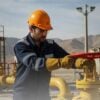
Iraq's Ministry of Electricity has confirmed a sharp decline in gas supplies from Iran, causing a loss of approximately 3,800 megawatts from the national power grid.
According to Saad Fureih, Director of the Fuel Directorate at the Ministry, gas imports from Iran fell to 25 million cubic metres per day - less than half the contracted volume of 55 million cubic metres. The sudden shortfall forced several gas-powered generating stations offline amid a summer heatwave that has seen temperatures in some provinces exceed 50°C.
In response, the Ministry is working closely with the Ministry of Oil to increase the supply of alternative fuels such as gasoil, though these are less efficient than natural gas. Minister of Electricity Ziyad Ali Fadel is overseeing the response in real-time to minimise disruption.
The Ministry acknowledged the severe impact of the energy crisis on citizens and reiterated its commitment to restoring stability to the power supply.
(Source: Ministry of Electricity)
Posted in Iraq Industry & Trade News, Iraq Oil & Gas News Comments Off on Drop in Iranian Gas Cuts 3,800 MW from Iraq's Grid
NIC Grants 4 Renewable Energy Licences so far This Year
Posted on 29 June 2025 .
By John Lee.
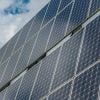
As part of government efforts to diversify Iraq's energy mix and reduce reliance on fossil fuels, the National Investment Commission (NIC) has awarded four major investment licences in the renewable energy sector during 2025.
NIC Chairman Dr. Haider Mohammed Makkia [Makiyya] re-announced the licences on Wednesday, noting their alignment with Iraq's National Renewable Energy Strategy and environmental sustainability objectives.
The approved projects include:
- A 1,000 MW solar power plant in Basra, awarded to TotalEnergies of France;
- A waste-to-energy incineration facility using high-efficiency combustion technology in Baghdad, to be developed by Shanghai SUS Environment of China;
- A 300 MW solar power station in Karbala, to be built by Karbala Solar Energy Company;
- A 225 MW solar plant in Alexandria [Iskandariya], Babylon Province, by Babel [Babylon] Solar Energy Ltd.
Dr. Makkia stressed that these projects reflect NIC's commitment to enabling both local and international investment in clean energy, aimed at supporting Iraq's national grid while reducing carbon emissions and strengthening energy security.
He confirmed that all projects will be executed by specialised companies using modern technologies and internationally recognised environmental standards.
"These investments are an important step towards achieving Iraq's sustainable development goals and supporting the national economy with stable, clean electricity," he said.
(Source: NIC)
Posted in Investment, Iraq Industry & Trade News Comments Off on NIC Grants 4 Renewable Energy Licences so far This Year
Solar Power Initiative for Iraqi Health Centres
Posted on 28 June 2025 .
By John Lee.
In a coordinated effort with the Ministry of Health, Iraq's National Investment Commission (NIC) has launched a pioneering initiative to equip health centres with solar power systems, marking a step toward expanding investment in critical public service sectors and accelerating the country's shift to renewable energy.
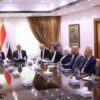
The initiative was announced on Wednesday, 18th June, during a high-level coordination meeting held at the Ministry of Health. The session was attended by Minister of Health Dr. Saleh Mahdi Al-Hasnawi, NIC Chairman Dr. Haider Mohammed Makkia [Makiyya], and senior officials from the Ministry of Higher Education and Scientific Research.
Dr. Makkia said the programme reflects government directives to open new investment pathways in key sectors affecting citizens' daily lives. He stressed the importance of creating innovative public-private investment models in healthcare, particularly those that enhance sustainability by incorporating clean energy and supporting Iraq's sustainable development goals.
Minister Al-Hasnawi welcomed the initiative as a "qualitative leap" in adopting clean energy in health institutions, adding that it would improve service reliability. The Ministry pledged full support for this type of transformative project.
The NIC presented a comprehensive technical briefing outlining the project's scope, which begins with the installation of solar systems in select health centres in Baghdad. The pilot phase aims to evaluate technical, financial, and operational aspects before rolling out nationwide.
The initiative targets improved healthcare service efficiency and reduced dependence on unreliable grid electricity and diesel generators, especially in areas with unstable power supply. It forms part of a broader national plan to promote investment in renewable energy, public services, and smart infrastructure.
(Source: NIC)
Posted in Healthcare, Iraq Industry & Trade News Comments Off on Solar Power Initiative for Iraqi Health Centres
$62m Automotive Service Industrial Complex Completed in Duhok
Posted on 26 June 2025 .
By John Lee.
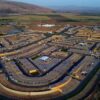
A major new Automotive Service Industrial Complex has been completed in Duhok at a cost of $62 million [81 billion Iraqi dinars]. Covering 679,000 square metres, the complex includes six zones, 2,378 industrial units, and 30,000 square metres of green space.
The development also features 15-metre-wide internal roads to ensure smooth traffic flow throughout the facility.
Workers have praised the Kurdistan Regional Government for delivering a high standard of infrastructure and public services, citing stable electricity, clean surroundings, spacious shop layouts, and extensive green areas as key benefits.
The complex is fully serviced with 24-hour electricity, fire safety systems, internet connectivity, accommodation for workers, a health centre, and an on-site police station, creating a safe and well-supported industrial environment.
(Source: KRG)
Posted in Iraq Industry & Trade News Comments Off on $62m Automotive Service Industrial Complex Completed in Duhok

Petrel submits Proposal re Relinquished Block from 4th Licensing Round
Posted on 23 June 2025 .
By John Lee.
Irish-based Petrel Resources last week issued unaudited preliminary results for the year ending 31 December 2024.
The company, which announced a fundraising in March, said that it has submitted a proposal to undertake contractor obligations on a relinquished block from Iraq's 4th Bid Round, and has also prepared an updated development plan for the Merjan oil field. The company said it sees opportunities in recovering flared gas and liquids.
Full statement from Petrel Resources:
Highlights
Market overview
- 2024 set consumption records for oil and LNG consumption, but oil prices fell in early 2025 due to the 'Trump tariff war' triggering fears of reduced demand.
- Uncertainty increases risk and delays investment decisions.
- Available fiscal terms, however, reflect the boom conditions between 2003 and 2014 rather than current market conditions. States have been slow to update contractual terms to align interests, which deters development.
- Oil explorers are not yet attracting strong investor interest in western markets. Majors buy shares back and issue dividends rather than invest the c. $610 billion necessary to supply future demand.
Assets overview
- In Ghana, ratification discussions with the Ghanaian authorities on Tano acreage have re-commenced - though acreage adjustments are likely, and governance remains an issue.
- In Iraq, there may be early opportunities to recover gas and liquids currently being flared.
- Petrel submitted a proposal to undertake contractor obligations on a relinquished Block from the 4th Bid Round [Block 8].
- An updated Merjan oil field development proposal has been prepared.
- Iraqi oil output was c.4 million barrels daily in Spring 2025, with export growth constrained by contractual terms and OPEC+ agreements.
- Petrel seeks direct negotiations, where possible, rather than bid rounds, which are expensive and high risk, thus inappropriate for juniors.
Outlook
The board is considering expansion opportunities in oil & gas, and energy-related projects worldwide. Our group participates in the EU Commission's Critical Resource Minerals' Initiative, which offers attractive diversification given current market conditions. We offer an established record and potentially high liquidity and capital appreciation for the right story. As investors re-focus on 'hard industries' and cash flow, this is a time of opportunity.
Recent months remind investors of some eternal truths: market uncertainty has increased, amid armed conflict and trade wars. Western dependence on Chinese processing of Critical Resource Minerals means that efforts to reduce dependence on fossil fuels will not reduce exposure to distant sources and supply chains.
Policy-makers have discovered the limits of their bold dreams of a Green transition: energy costs have risen rather than fallen. The new technologies bring new headaches: electricity storage turns out to be prohibitively expensive for grid-scale coverage. EVs continue to penetrate markets but are price-competitive only in China. But developed economies prefer to protect their automotive sectors rather than import cheap Chinese EVs. In such policy myopia lies the roots of the next oil boom.
Like all previous energy transitions, Green sources turn out to be additive to rather than replacing traditional, reliable fuels - which will continue to dominate the 21st century:
During 2024/25 there were a serious of close-calls, power failures, and brown-outs globally, culminating in the Iberian black-outs of April 2025. These were not the routine power failures common in the global south, or planned "load-shedding" in South Africa.
These power failures were caused by over-dependence on intermittent renewable generation, allied with inadequate investment in legacy grids designed for centralised, reliable world-scale plants fuelled traditionally by coal, and then increasingly by nuclear and natural gas. The failure was not that of renewable generation per se, since hydro-power or geothermal generally provide reliable supplies.
The problem was with unpredictable intermittent generation, which produces Direct Current, rather than Alternating Current, and consequently does not deliver significant inertia to protect against periodic interruptions. Battery storage, is expensive and would require vast quantities of Critical Resource Minerals to adequately back a grid up. Traditional storage methods such as hydro are available for only a small percentage of demand. It turns out that the intermittent renewable generation on which the "Green transition" relies is only suitable for up to 30% of demand which is the natural surplus in electrical systems. Beyond that point, costs and risks soar.
This means that Natural Gas will continue to dominate electrical generation, both directly, and as essential back-up for the reliability modern economies require. In price-sensitive markets, coal will continue to dominate. Nuclear power is also an effective solution, but involves bureaucratic planning requirements, up-front costs, and is opposed politically in some developed societies.
Consumption data bear this out: recent years have seen record demand for oil and even coal. LNG is now 55% of total traded gas, helped by malicious damage to pipelines and the time needed to extend more gas pipelines to Asian consumers.
Markets are always transitioning, which is why an average 3.75% global economic growth translates into only 2.1% energy consumption growth due to greater efficiencies. But every energy transition in history has added new fuels rather than substituted them. Legislators are unlikely to achieve what market forces cannot.
And yet there has been a dramatic under-investment in reliable energy exploration & development since 2014. This is also true even of those Critical Resource Minerals necessary to fuel the new industries, which include Copper and Nickel as well as Lithium, Cobalt and the other 50-odd minerals.
To maintain adequate oil & gas supplies the world needs about $610 billion of investment (depending on materials' costs and rig-rates), but the industry invests only c.$360 billion - much of it in existing properties and basins of super-majors and National Oil Companies. There has been little frontier exploration since 2015. Most of the developing world is starved of investment. Instead, producers prefer to issue dividends and buy shares back.
Part of the reason is that politicians also display myopia about how to deliver effective exploration. Risk-investors require a risk-adjusted rate of return. The higher the uncertainty, the more return investors require. Best results are achieved by aligning interests, and linking taxes to profits, rather than requiring up-front payments, or royalties.
Formal bid rounds, involving up-front fees, qualification criteria designed for majors, and limited upside, are not how you expedite projects, keep cost control and optimise reservoir recovery. That is why Petrel prefers direct negotiations, where possible, after which we can bring partners via farm-ins.
But our industry is cyclical, and majors' caution offers opportunities for independents - who have always pioneered new approaches, from offshore drilling to fracking. So far, the emerging supply constraints have not filtered through to exploration & development. But when they do, there will be a sharp reversal in sentiment, rewarding those farsighted enough to develop attractive acreage ripe for exploitation.
We have received several approaches offering new oil & gas exploration projects but also in Helium and other energy-related projects. So far, all prospects have fallen short on legal title, price expectations, or financing terms. There is no value for Petrel shareholders in over-paying.
Petrel is an EU company, and our involvement in the EU Commission's Critical Resource Minerals' "Team Europe" has fostered relationships with industrial buyers, financing institutions and key decision-makers. There are surprisingly few juniors able to swim in all these seas.
In the meantime, there is market interest in Petrel's strong shareholder following and liquidity - especially at times of intense news-flow. Accordingly, we continue to explore expansion opportunities.
Financing
There are contrarian investors keen to fund the right project. As during the pandemic and previous times of turbulence, directors and their supporters are open to covering working capital needs, and are prepared to participate in any necessary, future fundings.
(Source: Petrel Resources)
Posted in Iraq Oil & Gas News 1 Comment

UK-Iraq Solar Energy Partnership Advances with 3,000MW Project
Posted on 20 June 2025 .
By John Lee.
Iraq's Minister of Electricity, Ziyad Ali Fadhil, met with UK Ambassador Irfan Siddiq and a high-level delegation to discuss British companies' role in implementing solar energy projects and reaffirm Iraq's commitment to the Paris Climate Agreement.
The delegation included Lara Hampshire, UK Director of Trade in Iraq, and Yasmin Khan, Director of Operations and Energy Trade Adviser. Talks focused on the memorandum of understanding signed last month with the UGT Renewables, a UK-US company, to develop an integrated 3,000MW solar energy project in Iraq.
The project includes battery storage systems with a capacity of up to 500MW and the construction of 1,000km of high-voltage direct current (HVDC) transmission lines to enhance grid efficiency and stability.
Minister Fadhil emphasised the importance of this initiative for Iraq's national power system and praised the strong collaboration with the UK and reputable international firms. The executing company will also implement a two-year training programme and provide maintenance services using advanced D-EPC methods.
Fadhil reaffirmed the government's goal of reducing carbon emissions from the energy sector, targeting 12,000MW of solar capacity by 2030 as part of its broader renewable energy strategy.
The British delegation expressed their commitment to deepening the energy partnership with Iraq and contributing technical expertise to support sustainable development in the electricity sector.
(Source: Ministry of Electricity)
Posted in Iraq Industry & Trade News Comments Off on UK-Iraq Solar Energy Partnership Advances with 3,000MW Project
Construction starts at $300m Electrical Factory in Babil
Posted on 19 June 2025 .
By John Lee.
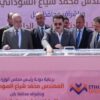
Iraq's Prime Minister, Mohammed Shia Al-Sudani, officially launched the construction of the Diwan Factory Project in Babil Governorate on Wednesday. The strategic initiative by local company Etihad Group will produce electrical transformers, cables, and smart meters.
The project, with a total budget of $300 million [approx. 393 billion IQD], is being built to the latest technical standards and is part of the government's broader strategy to localise electrical industries and reduce dependence on imports.
Al-Sudani described the factory as a key step toward enhancing Iraq's energy security and supporting advanced smart technologies. He reaffirmed the government's commitment to supporting the industrial sector and enabling national manufacturing across all areas.
The Prime Minister praised the efforts of Iraqi professionals driving transformative progress and emphasised the role of this project in laying the foundation for renewable energy initiatives and strengthening the national electricity supply chain.
On his visit to the province, the Prime Minister also officially opened a major new flour factory, which is also being developed by Etihad Group.
(Source: Prime Minister's Office)
Posted in Construction & Engineering In Iraq, Iraq Industry & Trade News Comments Off on Construction starts at $300m Electrical Factory in Babil
Iraqi Private Sector Faces Four Key Challenges, Says Professor
Posted on 12 June 2025 .
By John Lee.
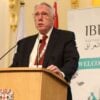
The Iraqi private sector confronts significant obstacles that must be addressed to unlock the country's economic potential, according to Professor Frank Gunter of Lehigh University, speaking at the Iraq Britain Business Council (IBBC) Spring Conference in London recently.
Professor Gunter identified four critical challenges hampering private enterprise development in Iraq:
- Finance: Iraqi businesses struggle to access basic financial services including cross-country bill payments and funding. "The first source of funds is family, not a bank, not a loan, not a venture capitalist," Professor Gunter noted, emphasising that this reliance on family financing must change for sustainable growth.
- Education: The country faces challenges in both quantity and quality of education. Iraq had been making progress in reducing illiteracy until ISIS disrupted educational systems between 2014 and 2017, forcing many out of schools and creating refugee populations. The professor stressed the need to eliminate illiteracy, particularly among older workers, whilst improving educational quality to meet private sector demands for engineers and scientifically-trained personnel rather than bureaucrats.
- Infrastructure: Basic infrastructure remains deficient, with Iraq lacking reliable 24-hour electricity despite two decades of substantial investment spending.
- Regulatory Environment: This emerged as perhaps the most damaging constraint. Professor Gunter cited a recent World Bank study examining 50 countries, which found Iraq ranking last among 16 nations with similar economic development levels for regulatory quality. Even when compared to all 50 countries studied-including those with lower development levels and nations experiencing civil wars-Iraq ranked 45th.
The findings suggest substantial reform will be required across multiple sectors to create a conducive environment for private enterprise in Iraq.
Posted in Investment, Iraq Banking & Finance News, Iraq Education and Training News, Iraq Industry & Trade News, Politics Comments Off on Iraqi Private Sector Faces Four Key Challenges, Says Professor
Iraq Expands Gas Projects to Curb Flaring
Posted on 09 June 2025 .
By John Lee.
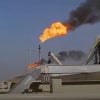
As part of Iraq's government-backed gas development programme, the Ministry of Oil has reported significant progress in reducing gas flaring and increasing gas utilisation.
It says the Ministry has raised associated gas capture from 53% to 70%, and dry gas production from 1,300 to 1,800 million standard cubic feet per day (mmscfd).
Key projects already completed or underway include:
- Halfaya Gas Project (Missan): 300 mmscfd
- Basra Gas Company (BGC) (BNGL1 and BNGL2): 200 mmscfd each
- Artawi [Ratawi] Gas Project (TotalEnergies contract): 600 mmscfd
- Faihaa Field Gas Project: 130 mmscfd
- Nahr Bin Umar Field (Basra): 300 mmscfd
- Gharraf and Nassiriya Fields: 200 mmscfd
- Akkas Gas Field (Anbar): 40 mmscfd
- Accelerated Artawi Project: 50 mmscfd
The government aims to end routine flaring by 2028 and increase gas output to 3,000 mmscfd by 2030, aligning with Iraq's environmental commitments under the 2016 Paris Agreement.
In liquefied petroleum gas (LPG), production rose from 2 million tonnes in 2024 to 3 million tonnes in 2025. Exports also surged from 250,000 tonnes in 2023 to 1 million tonnes in 2025. LPG systems were installed in over 41,000 homes and more than 38,000 vehicles.
To expand storage capacity, the Ministry completed 8 of 16 spherical LPG tanks, each with a 3,000-cubic-metre capacity, adding 24,000 cubic metres overall.
The Ministry reiterated its commitment to maximise national resource utilisation, enhance electricity supply, and boost petrochemical production. Gas field contracts under the 5th and 6th licensing rounds have been awarded to international companies, alongside dozens of investment agreements to develop both associated and free gas resources.
(Source: Ministry of Oil)
Posted in Iraq Oil & Gas News Comments Off on Iraq Expands Gas Projects to Curb Flaring