



Weekly Security Update 29 Apr - 05 May 2014
Posted on 06 May 2014 .
By Constellis Consulting www.constellis-consulting.com
 Despite persistent ISIS threats against the general elections held on 30 April, increased security precautions managed to contain some of the expected violence and encourage Iraqis to cast their ballots, with a relatively high turnout established at 59% by the Independent High Electoral Commission (IHEC). As a telling illustration of this enthusiastic political participation, turnout reached 30% in violence-ridden Anbar, and all Sunni-dominated provinces displayed similarly positive figures. Meanwhile, the percentage of recorded irregularities and violations did not reach levels prompting a questioning of the results, which are not expected for weeks. Political participation was backed by a moderate improvement in the security situation, with an unusual absence of car bombs in Baghdad and a noticeable lull in the number of incidents recorded nationwide. Despite these encouraging signs, a few attacks targeted polling stations located in northern governorates, resulting in scores of civilian and ISF casualties.
The high proportion of voters is also unlikely to translate into a clear-cut majority, as the campaign was highly divisive, especially between the various Shia parties opposed to the ruling State of Law coalition. In return, electoral results will largely determine the composition of post-election coalitions, with leading parties expected to leverage their seats in parliament to obtain concessions from the government. In anticipation of a complicated and opaque process which is set to last months and will result in greater institutional instability and political stagnation, the KRG announced the start of oil exports to Turkey, in defiance of Baghdad which remains opposed to any independent trade between Kurdistan and its neighbours. As government resources will now be focused on the post-election phase aimed at forming the next cabinet, drastic measures and needed reforms are unlikely to be advanced, and inaction should be reflected in continued violence over the next weeks.
North
Despite a decrease in incidents recorded across northern governorates, with a near-absence of VBIEDs, violence levels remained high and continued to plague Sunni-dominated areas around Baghdad. This relative and unaccustomed peace, especially throughout the elections which were expected to draw a considerable amount of militant resources to further destabilise the country, is only temporary and failed to mask the few deadly incidents that hit restive Nineveh and Salahuddin provinces. On 04 May, a car bomb detonated in the vicinity of Mosul, causing dozens of casualties, while ten people were reportedly killed when a VBIED exploded in Tuz Khurmatu. The nature and intensity of incidents recorded in Kirkuk and Diyala remained consistent with previous weekly averages, with series of IEDs targeting roads, checkpoints and polling stations. Meanwhile, and as Kurdish provinces remained insulated from major militant attacks, the elections coincided with the announcement that oil exports with Turkey would resume, despite the firm disapproval of Baghdad. As government resources will now be centred on managing the post-election phase, Kurdish authorities are expected to capitalise on opportunities to pursue their own policies. While increased security measures have probably deterred militants from striking key Sunni areas, violence is expected to rapidly increase over the next weeks, with incident levels set to equal previous averages.
Central
 While Baghdad remained one of the most restive governorates throughout the reporting period, levels of violence substantially decreased in and around the capital, with a rare absence of VBIEDs and a significantly lower rate of IED attacks. This change in security dynamics was mostly triggered by the presence of ISF forces to protect the main roads and preserve polling stations from militant attacks, as a peaceful voting process in the capital was seen as crucial to legitimise the upcoming election results. However, post-election incidents recorded in Baghdad consolidated predictions that violence will return to previous levels within the next weeks. On 03 May, an attack against a bus carrying Shia pilgrims returning from Samarra killed 11 people and wounded 21 in a northern area of Baghdad.
Violence in central provinces continued to be dominated by the Anbar crisis, which remained a focal point for clashes, shelling and sophisticated assaults. On 05 May, shelling on Fallujah caused 26 civilian casualties, while a car bomb struck a checkpoint in Ramadi on 04 May. Insurgent-controlled areas generally remained unaffected by the ISF operations established to protect the polls, with government forces concentrating efforts on areas within their reach.
South
Despite an elevated level of threat with regard to the elections held in the Shia-dominated southern provinces, violence remained consistent with previous weekly averages and the majority of incidents were confined to Babil. While the voting process was largely insulated from militant attacks, violence noticeably ramped up in the aftermath of the elections, with a significant number of IED incidents recorded in districts of Babil. A series of bombings against roads and army patrols caused dozens of casualties within the ISF and civilian population. As Iraq’s political environment over the next weeks will be defined by a period of coalition-building in which rival Shia parties will draw most of the attention, tensions could gradually increase in southern governorates, with intra-Shia violence potentially influencing the formation of alliances. South-eastern provinces are nonetheless expected to remain peaceful in the short-term.

Posted in Weekly Security Update Comments Off on Weekly Security Update 29 Apr - 05 May 2014

Weekly Security Update 22 - 28 April 2014
Posted on 29 April 2014 .
By Constellis Consulting www.constellis-consulting.com
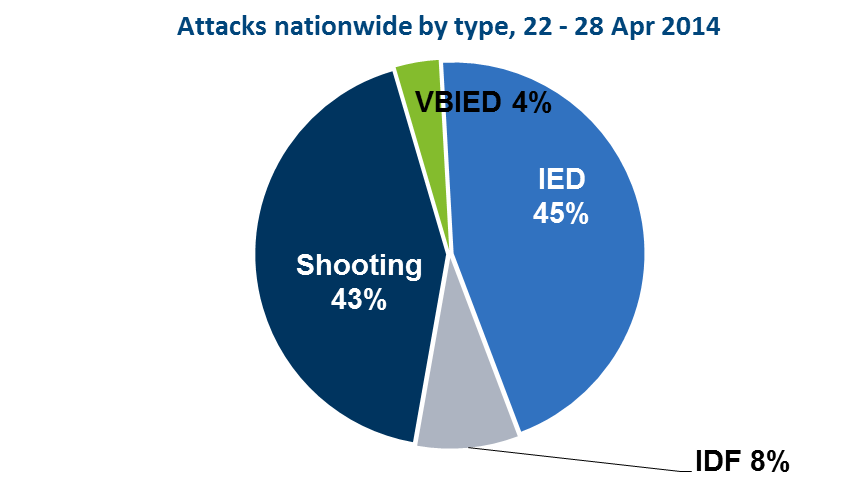
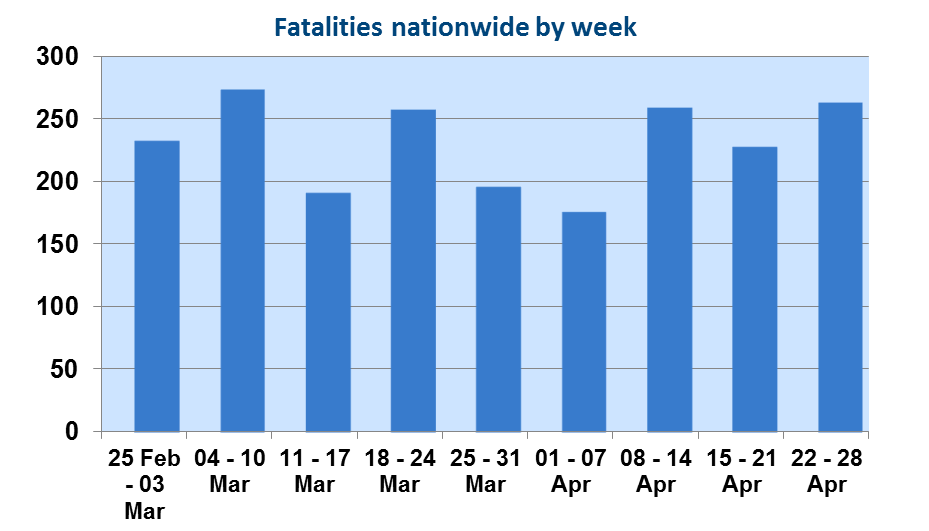
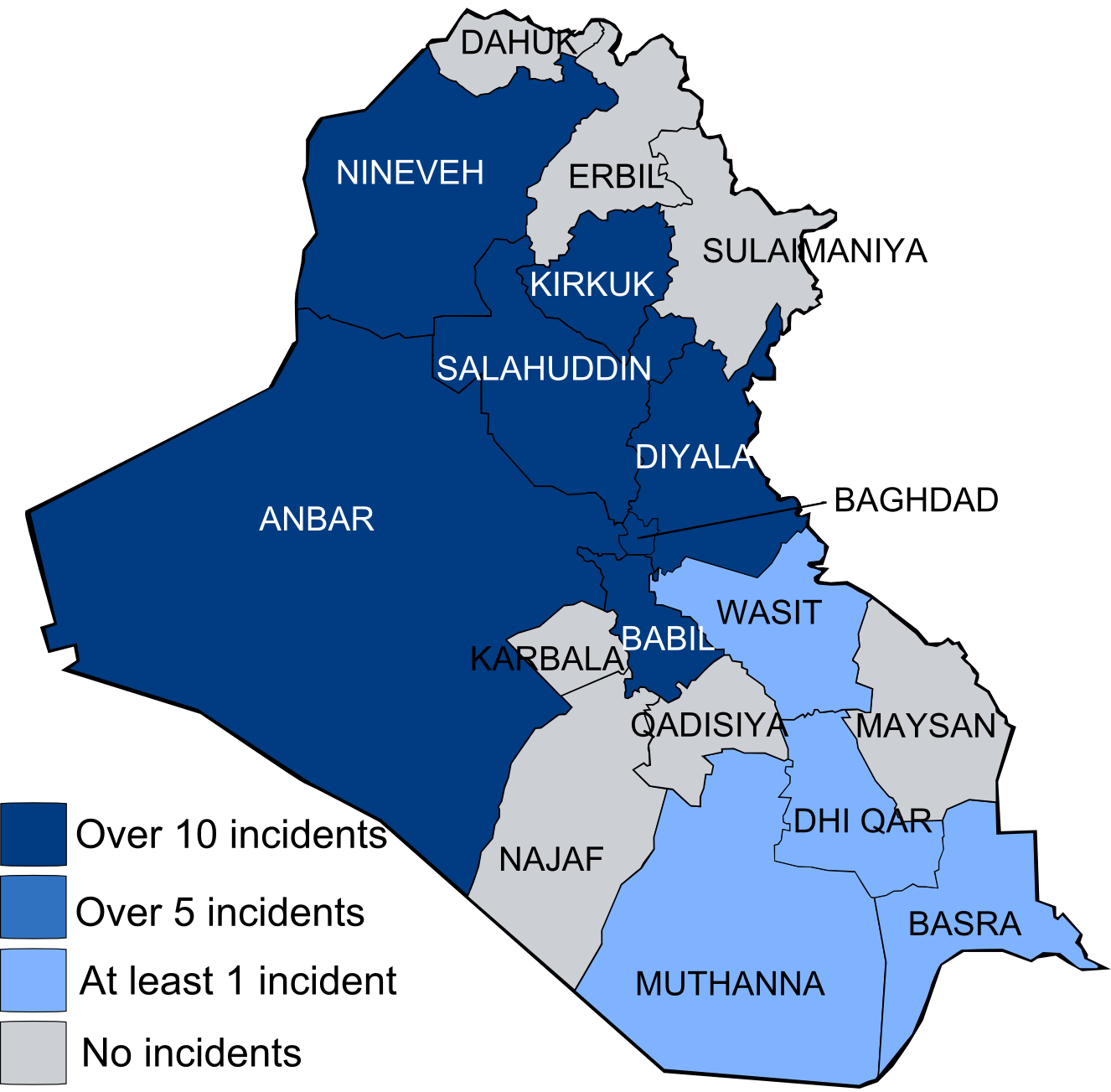 A well-planned and extensive ISIS assault against political rallies and polling stations formed part of a predictable surge in violence as Iraq prepares to vote in the first elections since the US withdrawal. The scale of the challenge facing the ISF, as they prepare to secure the electorate who will cast their votes at over 48,000 different polling stations, is illustrated by the increase in violence since the last elections in March 2010. The number of casualties in the month preceding those elections was under a third of recorded casualties in March 2014. On 28 April alone there were nine separate suicide bombings with a further three bombers killed by security forces prior to detonation. The rush of attacks largely targeted polling stations as the ISF voted early, although the deadliest attack targeted Kurdish PUK supporters in the disputed town of Khanaqin as they celebrated the television footage of ailing Kurdish President Talabani voting by proxy in Germany.
While the ISF turnout on Monday was high, the surge in violence as well as the explicit ISIS warning threatening voters with death, will affect turnout on 30 April, especially in areas around Baghdad where ISIS influence has encroached in recent weeks. Vehicle movement restrictions and a strong ISF presence will reassure many and significantly impede insurgent operations but attacks on voters are likely and suicide bombers on foot pose the greatest threat. The number of IDF incidents also surged this week to the highest rate this year and are likely to be sustained as insurgents target voting lines from a distance. Amongst the violence and the fractured political landscape, and in the absence of politicians, or lists articulating detailed manifestos which outline their proposed paths towards reform, voters are most likely to vote along tribal and sectarian lines. With much of Anbar under the control of insurgents and ISIS on the outskirts of Baghdad, whether the Shia majority vote for change, and the uncertainty which surrounds it, or for perceived stability will largely determine whether Maliki is able to assemble a majority in the coming weeks and months.
North
The suicide attack in Khanaqin in Diyala Province which killed up to 30 Kurdish supporters of the PUK as they celebrated near the PUK office in the town demonstrates the increased ISIS presence in the province and its ability to deploy effective suicide attackers at short notice. With Baghdad the focus of the ISF operation to secure the elections, it is likely that towns and cities in the four northern provinces, and particularly those in the disputed territories such as Kirkuk, will bear the brunt of election day violence with attacks targeting ISF, Kurds and other (northern) minority groups. The majority of suicide attacks during the reporting period occurred in these provinces and Nineveh, Diyala, Kirkuk and Salahuddin accounted for 60% of violence nationwide. IEDs have been deployed extensively against personnel linked to the elections, particularly in Mosul. Six journalists were injured when their bus was targeted as they headed to a polling station to cover the preparations for the vote, an incident which clearly indicates the wide scope of insurgent targets in the run up to the elections. The Kurdish Provinces remained secure and security forces have also surged to protect the population during the elections.
Central
 During the reporting period, Iraqi helicopter gunships attacked trucks travelling in eastern Syria believed to have been part of an ISIS convoy moving to resupply fighters in Iraq. It is the first time Iraq has attacked across the border during the course of this conflict and represents the first attempts to tackle the cross-border threat by striking at ISIS in depth. Anbar represents the eastern edge of an Islamist rebel corridor which runs as far west as Aleppo and, with Syrian government forces unable to regain control of the east in the short term, further offensive ISF incursions, likely conducted with the assistance of foreign intelligence, are likely. Areas south and east of Fallujah saw ISIS units clash with the ISF but not increase their territorial advantage. Continued violence in Anbar is certain, especially in Fallujah and Ramadi as insurgent groups attempt to claim credit for disrupting the voting there. The most significant attack in Baghdad targeted a rally by Asaib Ahl al Haq (AAH) killing 33 people. The political group, formerly an Iranian-backed Shia militia, is known to retain its links to armed individuals and repercussions against Sunni political leaders in Baghdad and southern provinces are likely although a larger mobilisation of armed supporters is unlikely.
South
The threat of VBIEDs being deployed in the southern provinces remains high although movement restrictions on election day will largely mitigate this threat. Suicide bombers may be deployed on foot and Babil, particularly its Shia districts, remains most at risk from such attacks. Babil saw the majority of violence in the southern states this week largely in the form of attacks against ISF, as is the usual pattern. While one VBIED killed ten people in the province, later in the week ISF raided a VBIED factory in Iskandariya which was destroyed during the operation disrupting future VBIED operations. In Basra eight separate shootings represented the increase in political tension in the run-up to the vote. One killing, which saw a Sunni election candidate shot dead, may have been a reprisal by AAH for the stadium bombing which occurred earlier that day. AAH maintain a strong presence in Basra and have been blamed for recent political violence; much of their electoral credibility is linked to their-militia past and robust opposition to the US.
Posted in Weekly Security Update Comments Off on Weekly Security Update 22 - 28 April 2014

Weekly Security Update 15 - 21 Apr 2014
Posted on 22 April 2014 .
By Constellis Consulting www.constellis-consulting.com
 As parliamentary elections approach and competing coalitions seek to position themselves ahead of the votes, the reporting period was marked by a series of movements in the political sphere. In Kurdistan, after months of unsuccessful negotiations, the KDP and Gorran reached an agreement for a new government along with the Islamic League, on 20 April. While the PUK remains reluctant to join this coalition due to their claim over the Interior Ministry, traditionally controlled by the PUK, expectations are that Kurdistan’s internal issues will be resolved within the period leading up to the votes. In light of the current standoff between Erbil and Baghdad on oil and budget distribution, Kurdish lists will indeed stand a greater chance of influencing central authorities if they compete under a united coalition, which requires reaching a consensus involving the three main parties. In Baghdad, political divisions continued to manifest in offensive rhetoric and personal accusations, with Prime Minister Nouri Al-Maliki accusing Parliament Speaker Osama Al-Nujaifi of trying to delay the elections by blocking the budget bill. Given the nature of Iraq’s political system, growing political divisions and the difficulty of holding elections in restive Anbar, the process of designating the next Prime Minister is likely to last months and the result unlikely to satisfy a majority of Iraqis. This disaffection with politics continued to be reflected in high levels of violence across the country, with northern and central governorates attracting the majority of incidents. As predicted, the willingness of ISIS militants to strike southern provinces manifested in a return of VBIED attacks, in a bid to influence the voting in Shia-dominated areas. The next weeks are likely to witness a substantial increase in violence, as ISIS fighters remain fundamentally opposed to the democratic process and will undoubtedly seek to disrupt the elections by launching mass-casualty attacks against key areas of the country.
North
In line with previous weekly averages, most deadly incidents remained concentrated in Nineveh and Salahuddin governorates, though VBIEDs were nearly avoided across the region. While most of the violence continued to be directed against ISF elements and civilians, a militant attack on the Baiji pipeline on 18 April provided a reminder of the threat to the oil and gas industry in northern provinces. Armed clashes between ISIL militants and ISF elements continued to fuel incident levels in Diyala, with most attacks concentrated in and around Baqubah. Meanwhile and despite repeated claims that the oil dispute opposing Baghdad and Erbil was close to an agreement, Kurdish Prime Minister Nechirvan Barzani reiterated that no progress had been made over the issue and warned that the KRG’s patience had limits, in a clear attempt to put pressure on the central government. These continued tensions may have precipitated the agreement between the KDP and Gorran, as the previous elections showed that a united Kurdish coalition would have considerable leverage against Baghdad. Given demographic realities and the presence of ISIS strongholds in all northern governorates surrounding Baghdad, election-related violence is expected to remain focused on the north.
Central
 Levels of violence remained elevated in Baghdad and Anbar, with districts of the capital attracting most incidents. Series of VBIEDs caused dozens of casualties, with most significant attacks recorded in Sadr City and Karrada districts, two Shia-dominated areas. On 19 April, three suicide bombers attacked the headquarters of an army division, injuring four soldiers. Following the assault, a car bomb detonated on the same location, killing four officers and wounding scores of soldiers. Meanwhile, Anbar witnessed a surge in violence, as shelling on civilian areas caused dozens of casualties in Fallujah and series of suicide bombings killed scores of soldiers in Ramadi. The pace and intensity of attacks reported in Anbar point towards an intensification of the conflict, with insurgents reinforcing their positions and the ISF showing the limits of their capabilities. On 16 April, two car bombs hit two checkpoints of Ramadi, killing at least five soldiers. In the lead-up to the votes, areas in and around Baghdad will remain the biggest hotspot for violence, whilst any movement on the Anbar front is unlikely in the short to medium term.
South
In line with previous assessments, incident levels across the south noticeably increased and expanded to areas generally insulated from violence, with attacks recorded in Muthanna and Qadisiyah. While south-eastern governorates had been preserved from car bombs since December 2013, VBIED attacks returned to the region. On 20 April, two car bombs detonated across the Najmi district of Muthanna province, killing four civilians and wounding 45 others. In Babil, a VBIED killed three people and injured four, amid a series of IEDs and small arms attacks recorded in the restive province. Other governorates witnessing militant activity included Dhi Qar, Wasit and Qadisiya, with accounts of tribal fighting which may signify that intra-Shia violence will be on the rise in the lead-up to the elections. The nature and locations of significant incidents recorded throughout the reporting period back the view that militants are likely to strike southern governorates to disrupt the electoral process, and levels of violence are therefore expected to increase.

Posted in Weekly Security Update Comments Off on Weekly Security Update 15 - 21 Apr 2014

Weekly Security Update 08 - 14 Apr 2014
Posted on 15 April 2014 .
By Constellis Consulting www.constellis-consulting.com
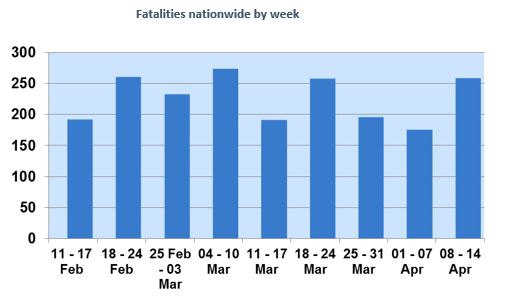
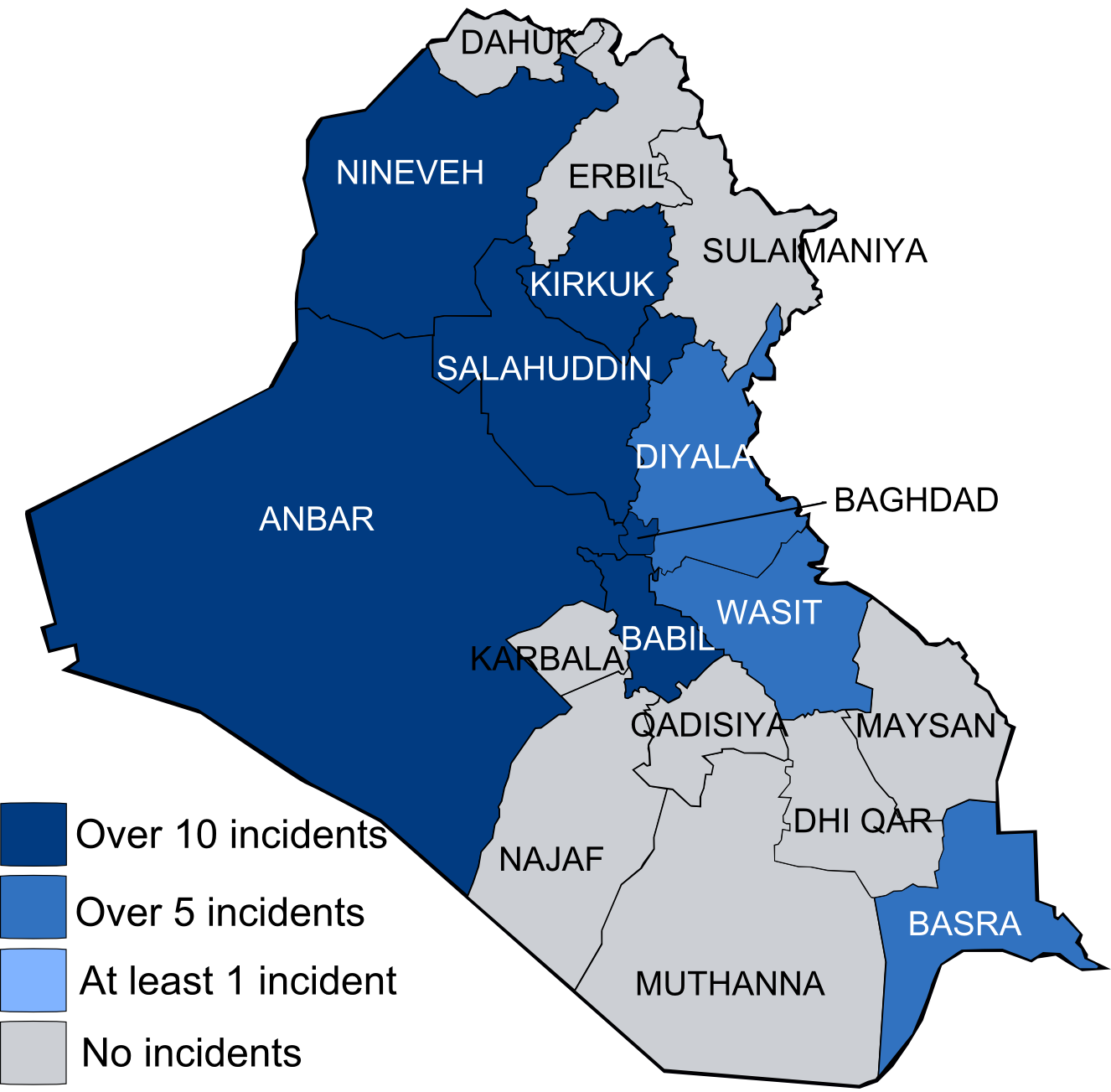 Despite repeated claims that Muqtada al–Sadr will remain on the sidelines of politics with regard to the upcoming elections, the latter has multiplied public appearances, in a clear attempt to influence the voting. On 13 April, Sadr met with influential Shia cleric Ali Al-Sistani and released a joint statement condemning sectarianism and violence. This declaration echoes the accusations recently formulated by the Sadrists and other political blocs against Prime Minister Nouri Al-Maliki, who appears determined to capitalise on the worsening security situation in Sunni-dominated provinces and the growing sectarian divide to win Shia support. These tensions are illustrative of the nature of Iraq’s political system, which consists of dozens of parties regrouping under coalition umbrellas partly formed after opaque post-election negotiations. This intra-elite system has led candidates to position themselves against their rivals through personal accusations largely unrelated to the grievances voiced by Sunni and Shia moderates. These tactics were reflected in a controversial national emergency powers bill submitted by Maliki to the parliament, which would give the Prime Minister considerable latitude to manoeuvre. This law, which requires a two-thirds vote in parliament and is therefore unlikely to pass, has been perceived as another attempt by Maliki to capture power, through eliminating opponents or cancelling the votes. Such system, by increasing the distance between the state and society, fosters paralysis, as bold measures would win very few allies in political circles. This continued inaction has fuelled violence in all Sunni-dominated areas, with militants reinforcing strongholds in Anbar, Diyala and Salahuddin. These dynamics continued to be reflected throughout the reporting period, with tensions expected to further escalate in the lead-up to the elections. The return of car bombs in several districts of Baghdad coincided with Liberation Day, as public holidays routinely draw more attacks due to increased opportunities to strike civilian gatherings.
North
Amid levels of violence consistent with previous weekly averages, a noticeable upsurge in election-related incidents was witnessed across northern governorates. On 09 April, gunmen blew up the house of the polling elections centre manager in Muhallabiyah district of Nineveh, without causing any casualties. In Kirkuk, IEDs detonated against houses owned by local politicians, while an assault on a convoy thought to have targeted Parliament Speaker Osama Al-Nujaifi was also reported. Several polling centres also came under attack, which seems to indicate that northern governorates will be the most exposed to militant operations organised in the lead-up to the votes. The Kurdistan Regional Government announced that its Peshmerga forces would participate in the protection of polling stations in the disputed areas of Kirkuk, Nineveh, Diyala and Salahuddin. In a context of tensions between Erbil and Baghdad, this presence could add another layer to the violence usually recorded in northern governorates.
Central
 On 11 April, Iraqi Deputy Prime Minister Saleh Al-Mutlaq escaped an assassination attempt in the Abu Ghraib area of Baghdad, after gunmen dressed as soldiers attacked his convoy and killed one of his guards. These targeted assaults are paralleled with electoral discourses, which tend to contain personal accusations rather than coherent political strategies. Attacks against political candidates are therefore likely to be launched over the next weeks. In line with current patterns of violence, VBIEDs returned to Baghdad, with series of car bombs recorded across eastern and northern districts on 09 April, and causing dozens of casualties among civilians. These incidents demonstrate both the capabilities of militants, and the weakness of security forces, which also struggle to draw popular support. These flaws have been particularly apparent in Anbar, with all of Fallujah and shifting parts of Ramadi under insurgent control. The establishment of militant bases in Anbar and governorates surrounding Baghdad guarantees that election-related violence will heavily target central provinces over the next weeks.
South
Southern provinces witnessed an uptick in violence, with an unusual series of deadly car bombs recorded in Wasit on 09 April, causing over 50 casualties. In the most significant incident, two car bombs detonated in Taja al-Din district, killing five civilians and injuring 21 others. Increased levels of violence in Basra were also illustrative of growing tensions in the lead-up to the polls. These incidents could precede attempts at striking south-eastern governorates over the next weeks, including through mass-casualty attacks which have been avoided since December 2013. Despite this sensible change of dynamics, Babil continued to attract the majority of incidents, with series of IEDs resulting in scores of civilian casualties. The strategic importance of Shia votes in the upcoming elections will likely reflect on militant attacks conducted in the period leading up to the polls.
Posted in Weekly Security Update Comments Off on Weekly Security Update 08 - 14 Apr 2014

Weekly Security Update 01 - 07 Apr 2014
Posted on 08 April 2014 .
By Constellis Consulting www.constellis-consulting.com
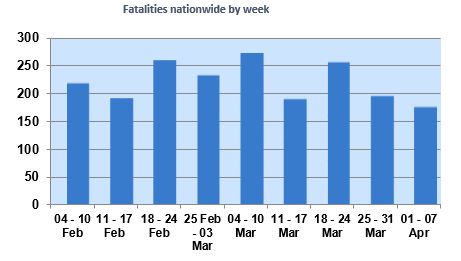
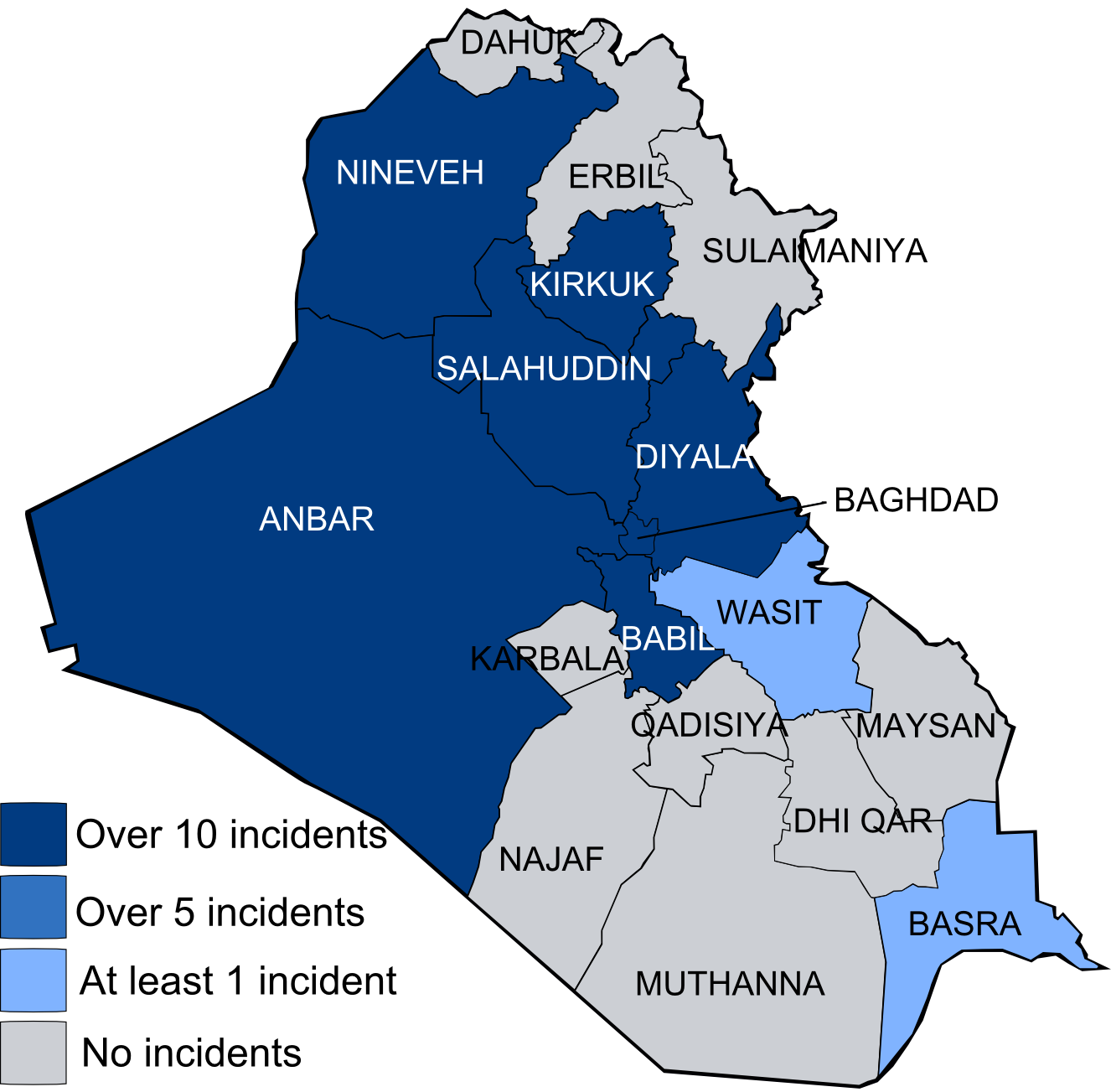 Despite reasserting his retirement from politics on 02 April, Muqtada al-Sadr publicly urged Maliki not to run for a third term, citing the failure of his sectarian policies and the increasingly autocratic nature of the regime. As the parliamentary elections approach, each party seems to be appealing to their own sectarian base, with the government capitalising on the relatively more peaceful situation in Shia-dominated southern provinces. On 06 April, Osama al-Nujaifi, Parliament Speaker and leader of the Sunni Mutahidoun bloc, accused Maliki of seeking to marginalise and exclude Sunnis from the elections, notably by using Shia militias to displace Sunni populations in the north. While it has become increasingly clear that current Prime Minister Nouri al-Maliki will compete for another term, high levels of violence in central and northern governorates and heightened sectarian tensions have led Maliki to frame the unrest solely as a security issue, ignoring the political dimension of the insurgency. This has been reflected in a number of populist actions over the reporting period, with several arrests on terrorism charges legalised under Article 4 of the constitution. While Maliki’s rivals have been accusing the ruling coalition of ignoring Sunni grievances, which range from lack of political representation to rampant corruption and unemployment, increased tensions continued to be reflected in high levels of violence across Iraq.
The Anbar unrest has now spread to several fronts surrounding Baghdad, with accounts of ISIS militants positioning themselves in neighbourhoods of Baquba, Diyala province, and areas of Salahuddin. While these movements prove the capabilities of ISIS, they also mirror the growing disaffection of Sunni populations, which has allowed insurgents to establish strongholds in cities and challenge the state in several areas. Militants have been able to maintain control over Fallujah, where tribes are particularly resentful of government policies, and hold key neighbourhoods of Ramadi. As predicted and in line with current patterns of violence, complex militant incursions returned to Babil, with car bombs recorded across several districts of the province. Amid political stagnation in the approach of the elections, incident levels are expected to continue increasing in central and northern governorates over the coming weeks, as insurgents seek to disrupt the electoral campaign and influence the voting.
North
Levels of violence witnessed across northern provinces remained consistent with previous weekly averages, with an increase in the number of VBIEDs and complex attacks. Most incidents continued to be concentrated in Nineveh and Salahuddin, while violence recorded in Diyala and Kirkuk mainly consisted of IEDs against ISF elements. Five car bombs detonated in Tikrit, Salahuddin, causing scores of casualties within the civilian population. On 03 April, a VBIED parked near a restaurant killed three civilians and injured 13 others in the district of Suleiman Bek, which has witnessed a considerable uptick in violence over the past weeks. Four car bombs detonated in areas surrounding Mosul. On 02 April, a complex assault involving a militant wearing a suicide vest and a VBIED detonated in the Muthana area of Mosul, causing several injuries. While Kurdish provinces remained free from major incidents, tensions have been gradually increasing between Erbil and Baghdad, over controversial oil exports with Turkey and the continued delay of the 2014 budget bill which is blocked in parliament. In this context of heightened tensions between the government and its different constituencies, levels of violence are expected to continue increasing in the lead-up to the elections.
Central
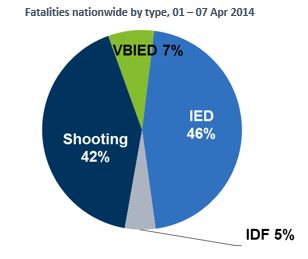 Although the number of car bombs recorded in Baghdad remained below average, the capital continued to attract most deadly incidents, with levels of violence noticeably increasing. On 01 April, a VBIED detonated in Mushada district, killing a civilian and injuring scores of others. On 03 April, three civilians were injured when a car bomb exploded in the district of Mahmoudiya. The continued focus of ISIS militants on Baghdad reinforces expectations that violence levels will rise in the lead-up to the polls, especially as political leaders increasingly appeal to their respective sectarian base. Meanwhile, the situation in Anbar remained unchanged, with militants holding key areas of Ramadi and reinforcing their positions inside Fallujah, where local tribes tend to be more sympathetic to ISIS. Insurgents have reportedly been able to launch assaults against the Iraqi army surrounding the city, bringing the unrest closer to Baghdad. Three VBIEDs were recorded in eastern districts of Ramadi, though the lack of media reporting overshadows the magnitude of the conflict. While it has become increasingly certain that elections will be delayed in Anbar, the majority of militant resources are expected to remain directed against targets in Baghdad in the lead-up to the polls.
South
Babil continued to witness most of the violence across the south. On 03 April, three VBIEDs detonated in sequence in several areas of the restive province. In the most significant incident, a car bomb hit a crowded street of Hay Shuhada Thaniyah district, killing two civilians and injuring at least six others. Another VBIED detonated in eastern Wasit, killing a civilian and wounding three others. Though ISIS insurgents have moved closer to Baghdad, fuelling militant activity south of the capital, south-eastern provinces have remained insulated from major attacks. With elections looming and PM Maliki focusing his strategy on the Shia electorate, militant penetration in the south cannot be ruled out in the lead-up to the elections, as insurgents will most probably seek to influence the voting.
Posted in Weekly Security Update Comments Off on Weekly Security Update 01 - 07 Apr 2014

Weekly Security Update 25 - 31 Mar 2014
Posted on 01 April 2014 .
By Constellis Consulting www.constellis-consulting.com
 As the campaign for the upcoming parliamentary elections is set to start on April 01, Iraq’s political environment was marked by inter-party competition and developments which could threaten the organisation of the votes. On 25 March, the board of the Independent Electoral Commission (IHEC) resigned to protest against political and judicial interference, after the electoral body allegedly found itself caught between conflicting rulings from parliament and the judiciary regarding the exclusion of certain candidates from the elections. While the members later retracted their resignations, this statement comes amid accusations that the current Prime Minister is abusing the legislation to prevent some of his rivals from running in the elections. Meanwhile, State of Law MPs have been accusing Nujaifi’s Sunni-dominated coalition of trying to postpone the elections through delaying the endorsement of the 2014 budget.
Nouri al-Maliki, in seeking to win a third consecutive term, has been working towards garnering Shia votes from the relatively peaceful south-eastern provinces of the country. The budget bill, which has been approved by all Shia factions, including those opposed to Maliki, could bolster support around the State of Law and isolate the Sunni and Kurdish factions resisting it. The support of Shia MPs to Maliki over budget could also be politically detrimental to the Sadrists and the Islamic Supreme Council of Iraq, who have been vocal critics of government policies in the past weeks. As the ruling coalition appears well-positioned to navigate Iraq’s complex intra-elite system, violence continued to plague Sunni-dominated areas despite the lowest rate of VBIED incidents recorded in three months. Patterns of violence currently observed indicate that this relative disruption could precede a wave of mass-casualty attacks in the central provinces of Babil and Baghdad, as well as surrounding northern governorates. Several attacks against polling stations in Nineveh also suggest that the campaign leading up to the elections will witness a considerable uptick in violence and that militants will seek to disrupt the voting process to advance their cause.
North
Despite a near-absence of VBIED attacks, levels of violence in northern provinces remained consistent with previous weekly averages. Nineveh continued to attract most incidents, while Salahuddin witnessed a noticeable decrease in deadly attacks. The only car bomb recorded in Salahuddin, in the Baiyji district, detonated without causing any casualties. On 31 March, a VBIED attack in Mosul killed a soldier and wounded five others. Meanwhile, several IEDs targeted restive districts of Diyala and Kirkuk, with most attacks aimed against ISF elements. On 26 March, the Arab Council of Kirkuk requested a delay in the parliamentary elections due to security concerns. Though this demand is unlikely to be fulfilled, Kirkuk’s ethnic divide could be reflected in heightened tensions in the lead up to the polls, with an increase in violence levels to be expected. While Kurdish provinces remained free from militant attacks, Dahuk governorate witnessed a new influx of refugees from Syria on 27 March, prompting the provincial leaders to call for international help. While mass-casualty assaults were largely avoided this week, several attacks against polling stations in Mosul backed expectations that the electoral campaign will see an increase in militant activity. Sunni-dominated areas, including northern governorates, should remain especially vulnerable to militant operations.
Central
 Although Baghdad continued to draw the attention of most militant resources, VBIED incidents were nearly avoided this week. On 25 March, three soldiers were killed along with a civilian when a suicide bomber detonated his vehicle on a military convoy in al-Taji. On the same day, a car bomb which detonated against a bridge killed six people and injured at least 20 civilians. On 27 March, three IEDs exploded in sequence in the Al Adamiyah district and killed 15 civilians. At least 49 people were injured in the blasts. While this series of mass-casualty incidents signals that the capital remains a prime target for insurgents, the decrease in complex assaults aligns with a recurring pattern that suggests next week will see an increase in VBIED attacks in the central governorates. Furthermore, as the electoral campaign starts on April 01, militants could be saving their resources to strike political gatherings and polling stations, in a bid to disrupt the elections. Meanwhile, local initiatives aimed to find a political solution to the Anbar crisis failed to impact on levels of violence in the restive urban areas. Continued shelling and armed clashes in the cities killed scores of civilians in Ramadi, Fallujah and Haditha.
South
While south-eastern provinces remained largely insulated from militant attacks, Babil continued to witness the majority of violent assaults. On 31 March, a car bomb killed six soldiers in the vicinity of Hilla. Despite this incident however, VBIEDs were largely avoided in provinces surrounding Baghdad to the south. In line with current patterns of violence, this disruption is likely to precede a series of complex attacks in Babil, as central provinces are targeted with car bomb sequences every four weeks on average. In Basra, the abduction of an oil worker provided a reminder of the threat posed to foreign assets in the region, though the attack probably had criminal motives. As militants save their resources to concentrate their efforts on the electoral campaign and election day, ISIS insurgents could temporarily shift away from northern regions and target south-eastern provinces with sophisticated assaults over the next weeks.

Posted in Weekly Security Update Comments Off on Weekly Security Update 25 - 31 Mar 2014

Weekly Security Update 18 - 24 Mar 2014
Posted on 25 March 2014 .
By Constellis Consulting www.constellis-consulting.com
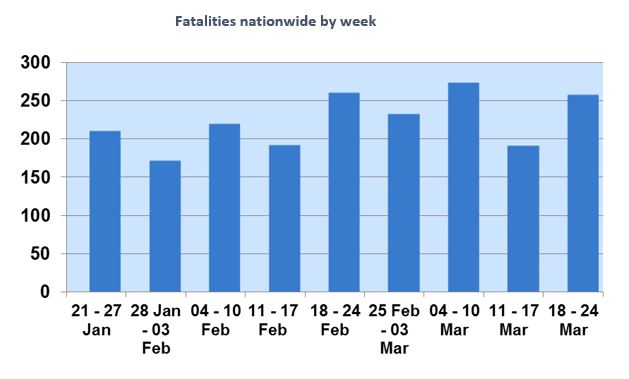
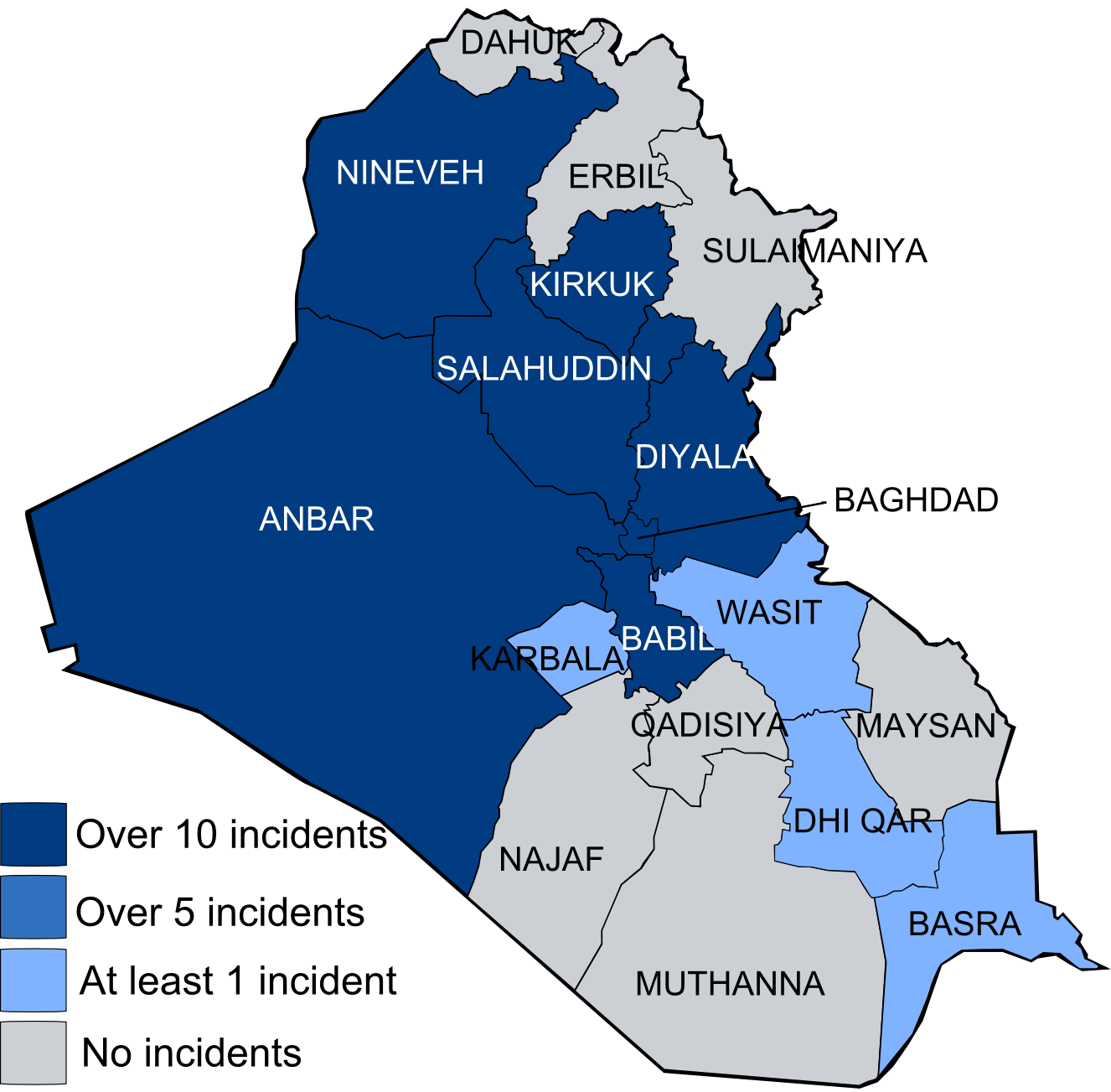 The proximity of the general parliamentary elections was reflected in changing security dynamics and political movements across several leading parties. Though campaigning is only set to open on 01 April, legal disputes and vindictive declarations highlighted major divisions between the ruling coalition, Shia factions and Sunni opposition groups. Despite his recent withdrawal from politics, Muqtada al-Sadr called on his electorate to mobilise against corrupt and incompetent politicians, in a veiled reference to Prime Minister Nouri al-Maliki. The latter sparked a controversy when judges seen as loyal to his party barred some of his most prominent critics from running in the elections. Meanwhile, Kurdish and Sunni MPs continued to challenge the government over the passing of the budget bill, in a clear attempt by Nujaifi’s Sunni coalition to court the powerful Kurdish bloc.
Although Maliki faces a competitive election in light of the country’s escalating violence and the fracture of his traditional power base, the lack of a credible opposition and an improved security situation in the south have increased his chances of winning a third term. Amid continued violence in Iraq’s restive central and northern governorates, VBIED incidents witnessed in several provinces south of Baghdad could indicate a change of tactics in the lead-up to the elections. In an unusual series of incidents, car bombs detonated in Babil, Wasit and Karbala. Although south-eastern governorates remained insulated from major attacks, the focus of ISIL militants on these locations may signify a willingness to strike Shia-dominated areas ahead of the votes. The insurgency could indeed be displaced further south in a bid to influence the voting, as the core of Maliki’s electorate is established in this region. Given the imminence of the votes and continued political stagnation, incident levels are likely to escalate in the lead-up to the elections.
North
Levels of violence recorded in northern provinces remained consistent with previous weekly averages, with most incidents concentrated in Nineveh and Salahuddin. Increased militant activity in Diyala and Kirkuk governorates was reflected in several VBIED incidents, as most car bombs were distributed across the north. On 20 March, a VBIED detonated near a cemetery in Tuz, Salahuddin, injuring 14 civilians. On 24 March, two car bombs killed three people and injured three others in Mosul, Nineveh. In Kirkuk, two VBIEDs detonated in the town of Dibis, killing three civilians and injuring 34 others. A series of complex attacks also hit Diyala governorate, where four car bombs were recorded over the reporting period. On 21 March, an attack on a police headquarters killed at least 20 ISF recruits. While northern governorates are expected to witness similar levels of violence over the next weeks, insurgents could shift their focus to central regions as elections loom and political campaigns are due to start next week. Meanwhile, Kurdish provinces remained free from major incidents despite growing tensions with Baghdad and a high turnout for the celebrations of Nowruz on 20 March.
Central
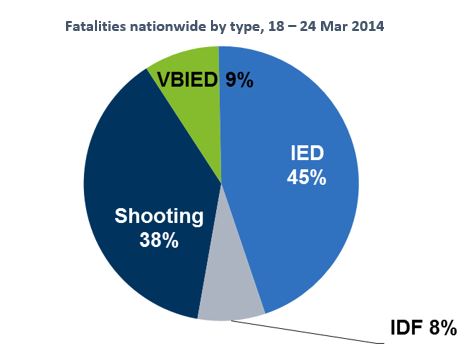 Continued shelling on urban areas in Anbar governorate increased the death toll amongst the civilian population. The controversial approach of the Maliki administration to the Anbar crisis has facilitated the establishment of shadow institutions within Fallujah, with militants reportedly providing social services and policing the streets. The nature of the conflict, which features a complex nexus of tribal fighters with shifting allegiances, and the lack of political response to the unrest, have precipitated a stalemate which is unlikely to break in the short term. On 21 March, a suicide bomber detonated on a funeral procession for an Iraqi officer in the Wari area of Ramadi, killing one policeman and four civilians, and injuring 22 others.
Despite a substantial amount of ISIL resources allocated to northern governorates and provinces surrounding the capital, Baghdad continued to attract most deadly incidents. The number of VBIED attacks remained well below average, with only two car bombs recorded on 18 March. According to current patterns of violence, series of mass-casualty attacks are expected to return to the capital in the next two weeks. As campaigning opens on 01 April, political gatherings could be targeted and draw militants back to the capital.
South
Although south-eastern provinces were preserved from major attacks, levels of violence sharply increased in the governorates neighbouring Baghdad. While Babil remained the most volatile, Wasit and Karbala provinces witnessed unusual VBIED incidents. On 18 March, a car bomb detonated inside a parking lot in Karbala, injuring two civilians. In Babil, two car bombs killed at least three civilians and injured eight others. In Wasit, two VBIEDs detonated in sequence and caused scores of casualties. While violence was confined to areas surrounding restive central provinces, southern governorates had not witnessed such militant incursions since December 2013, as the unrest in Anbar effectively shifted the focus of insurgents towards northern provinces. With elections looming, these incidents could precede further militant operations in the south to influence the voting, as the core of Maliki’s electorate reside in southern provinces. The power struggle opposing various Shia factions could also be reflected in the nature of incidents witnessed in the south, with local figures likely to be targeted in the weeks preceding the elections.
Posted in Weekly Security Update Comments Off on Weekly Security Update 18 - 24 Mar 2014

Weekly Security Update 11 - 17 Mar 2014
Posted on 18 March 2014 .
By Constellis Consulting www.constellis-consulting.com
 Amid continued violence in Iraq’s central and northern governorates, the proximity of the parliamentary elections triggered a series of political manoeuvres aimed at mobilising the country’s disaffected electorate. In a bid to undermine Prime Minister Nouri Al-Maliki, Parliament Speaker Osama Al-Nujaifi re-oriented political debates towards the Anbar crisis, criticising the lack of government assistance to refugees and the absence of meaningful concessions to local tribes. While Anbar continues to be the scene of under-reported ISF operations against ISIL militants and provincial elections now appear likely to be delayed, Shia-dominated provinces remained insulated from major incidents.
As preserving Shia areas from the daily violence witnessed in central and northern governorates will undoubtedly benefit Maliki’s coalition, competing factions will probably seek to appeal to the Shia electorate on other grounds. Despite his withdrawal from politics announced two weeks ago, Muqtada al-Sadr reportedly returned from the Iranian city of Qom on 15 March to voice his support for protests held in Dhi Qar province. Socioeconomic demonstrations inspired by Sadr have also been held in other southern areas throughout the reporting period, further highlighting the importance of Shia votes in the upcoming elections. While Sadr’s intentions and political ambitions remain unclear, his firm stance against Maliki’s perceived sectarian policies demonstrate the growing isolation of the ruling State of Law bloc, which will most probably have to rely on the post-election negotiation phase to obtain a majority in parliament. While political dynamics remained stagnant, the majority of security incidents have continued to be confined to central and northern governorates. VBIED attacks considerably decreased in the capital, in line with current patterns of violence. The absence of bold measures and the approach of competitive elections will continue to impact on the security environment, with western and central provinces expected to attract most incidents.
North
Levels of violence recorded in northern provinces remained consistent with previous weekly averages, with most incidents concentrated in Nineveh and Salahuddin. On 12 March, a car bomb detonated on the Al A’asriya police station in the Siniya sub-district of Baiji, Salahuddin, killing one policeman and injuring four others. On 15 March, another VBIED hit an area of Tikrit, causing dozens of casualties. Other complex attacks involving VBIEDs and suicide bombers were witnessed in Nineveh. On 11 March, two militants detonated themselves on a police headquarters in Hay al-Thawra, killing three policemen. Two car bombs hit two provincial districts, killing and injuring scores of civilians as well as ISF members. While sophisticated assaults were avoided in Kirkuk and Diyala governorates, as militant resources appeared focused on Anbar, IEDs and small arms attacks continued to form the core of militant operations across the north. With the political situation likely to remain unchanged over the next weeks, northern governorates are expected to witness similar levels of violence. Meanwhile and amid continued disputes over budget, Kurdish provinces remained largely peaceful.
Central
 In line with current security dynamics, the number of VBIED incidents considerably decreased in Baghdad following last week’s series of mass-casualty attacks. Sophisticated militant operations were instead focused on Anbar governorate, with several complex attacks reported in Haditha and Ramadi, and amid continued shelling on urban areas. On 13 March, two car bombs detonated in several areas of Ramadi, killing seven civilians and three soldiers. On 15 March, another VBIED sequence hit Haditha, causing injuries and material damage. On 17 March, a suicide attack in Ramadi killed one soldier and injured four others.
Despite a substantial shift of resources away from Baghdad, the majority of deadly incidents remained located in the capital. On 13 March, a VBIED detonated in the Sauna neighbourhood of Baghdad without causing any casualties. On 15 March, a sequence of four car bombs hit several areas. The first explosion injured 18 civilians and destroyed multiple vehicles and surrounding shops, while the other detonations killed eight civilians and injured dozens. According to patterns of violence currently observed, incident levels should be stagnant and VBIED attacks are expected to remain below average in Baghdad over the next two weeks.
South
Although Babil remained the most volatile province among southern governorates, levels of violence substantially decreased as a result of intensified militant operations in Anbar. VBIEDs were avoided this week, with most reported incidents consisting of IEDs and small arms attacks. On 11 March, the explosion of three IEDs in Musaiyab district injured two soldiers. Elsewhere in the region, most assaults continued to be connected to personal disputes, as illustrated by a drive-by shooting in Basra on 16 March. As south-eastern provinces will be key in the April elections designating the next Prime Minister, Shia politicians are expected to hold meetings and gatherings in the lead-up to the votes, as the Sadrist protests illustrated this week. Political movements wooing different segments of the Shia population may in turn fuel tensions between competing factions in the south, impacting on levels of violence. In the short-term however, the focus of insurgents on the north should continue to preserve southern areas from major attacks.

Posted in Weekly Security Update 1 Comment

Weekly Security Update 04 - 10 Mar 2014
Posted on 11 March 2014 .
By Constellis Consulting www.constellis-consulting.com
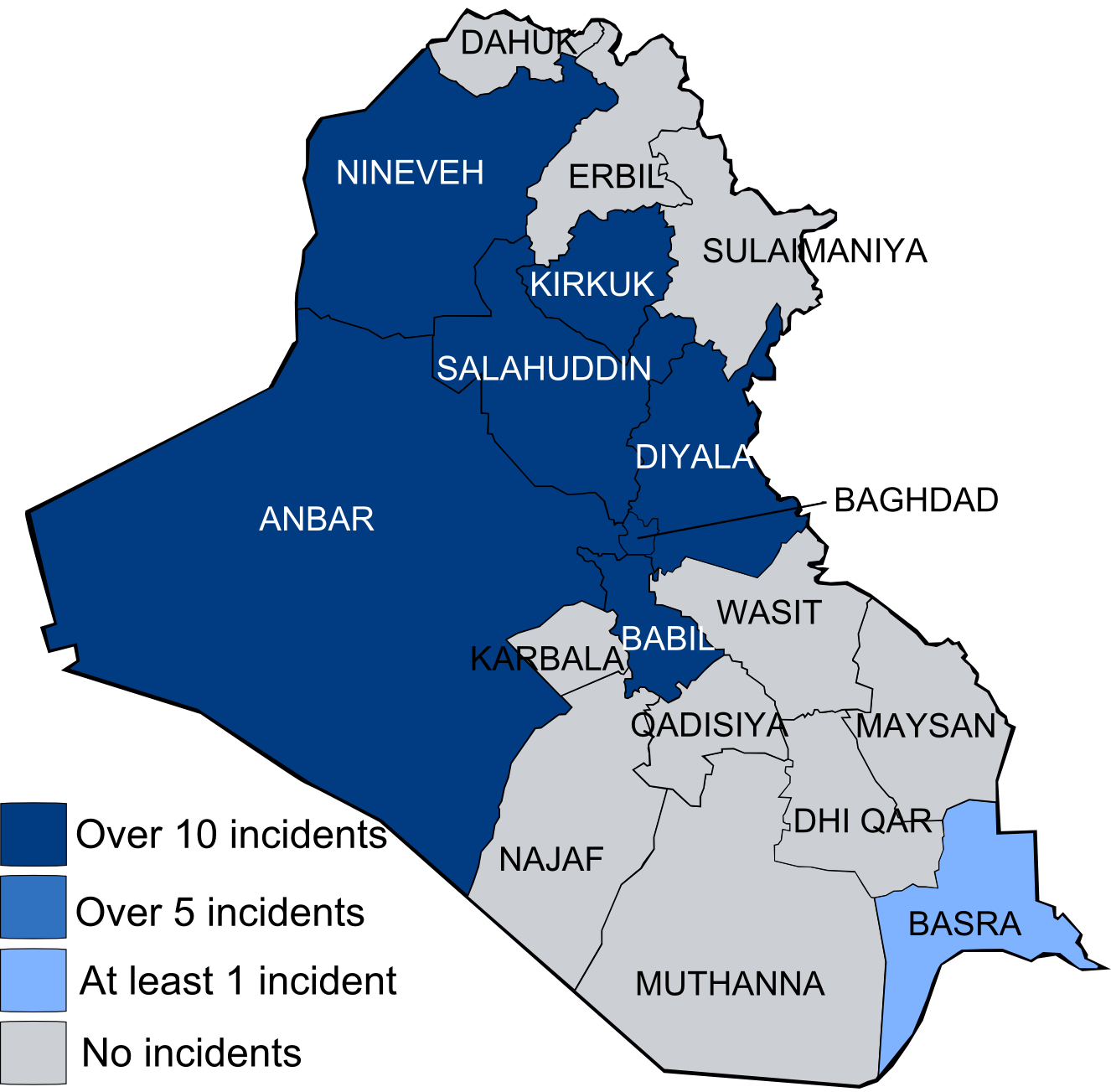 Tensions between Prime Minister Nouri al-Maliki and Parliament Speaker Osama al-Nujaifi culminated this week, after the latter refused to submit the annual budget to parliament for approval. On 05 March, PM Maliki challenged the legitimacy of the institution and declared that fiscal policies could ultimately be enforced without a vote. This provocative stance led Nujaifi to accuse Maliki of disregarding the political process and threaten to withdraw confidence. This escalation also coincides with strained relations between Erbil and Baghdad over budget allocation, which the Kurdistan Regional administration has rejected on the grounds that it was not consistent with the amount stated in the constitution. In a context of approaching and competitive elections, these disputes mirror the different strategies followed by Iraqi politicians and which will set the stage for the post-election negotiations.
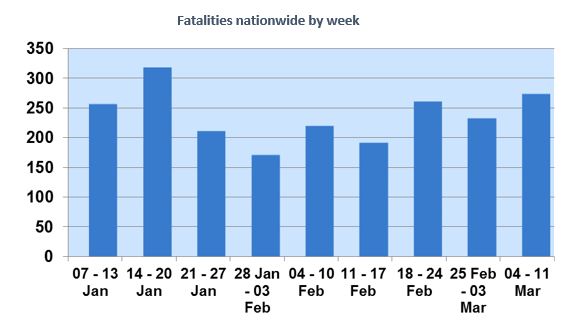
Maliki has been accused by his opponents of manufacturing crises to distract attention from the deteriorating security situation in northern and central governorates. Meanwhile, Nujaifi’s attitude towards budget issues could be seen not only as an attempt to undermine Maliki, but also as a move to court Kurdish constituencies, whose support was determinant in the previous elections. Stagnating political dynamics between the Shia and Sunni leaderships continued to be reflected in high levels of violence across the country, with complex attacks concentrated in the central provinces of Anbar, Baghdad and Babil. Patterns of violence have evolved since the outbreak of the Anbar crisis in December 2013, and militant activity now appears alternatively focused on the northern and central regions. This shift results from the growing security vacuum in Sunni-dominated areas around Baghdad, and which has been exploited by ISIL militants to establish strongholds. These provinces will therefore continue to attract most incidents over the next weeks.
North
In contrast with previous reporting periods, when militants allocated much of their resources to northern areas, VBIEDs were largely avoided and were only witnessed in Nineveh and Salahuddin on 04 March. A complex attack in Salahuddin involving a car bomb, a group of suicide attackers and directed against a government building, killed two civilians and injured at least 34 ISF elements. The explosion of a VBIED near Mosul caused two fatalities and wounded several soldiers. Most of the other reported incidents consisted of IEDs and small arms attacks. In Kirkuk, a suicide bomber detonated himself near a police patrol, killing one civilian. Given current security dynamics, northern provinces are likely to be targeted with deadly and complex assaults over the next weeks, with militants capitalising on Anbar and the growing disaffection of Sunnis with the government. Meanwhile, Kurdish provinces remained free from major incidents despite growing tensions with Baghdad.
Central
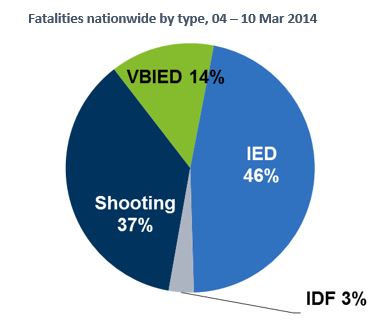 Central provinces attracted most of the violence recorded across the country, with complex and deadly attacks witnessed in Baghdad and Anbar governorates. VBIED sequences returned to the capital, after three weeks of relative absence. As militants currently concentrate their efforts on northern areas having shifted away from southern provinces, ISIL insurgents appear to launch series of VBIED attacks against central governorates every three weeks on average. On 05 March, eight car bombs detonated in Baghdad, followed by another sequence on 06 March.
An explosion near a mosque in the A’amil area killed one civilian and injured 19 others, while another detonation resulted in six fatalities and 21 injuries. Despite a disrupted information flow in Anbar, at least four VBIED attacks were reported in Ramadi and its outskirts. On 07 March, a car bomb detonated at a police headquarters, killed one policeman and injured six others. The fact that Anbar has been largely absent from Maliki’s political discourse over the past weeks points towards stagnation rather than solution, and in current circumstances the standoff between the ISF, Sunni tribes and insurgents is likely to continue over the next months. The unrest is therefore likely to continue dictating insurgent tactics, and levels of violence will be sustained.
South
Owing to its proximity with central governorates and its large Sunni population, Babil continued to attract most violent incidents across southern provinces, with an increase in militant activity reflected in VBIED sequences. On 06 March, five car bombs detonated in several neighbourhoods of Hilla and were directed against civilians, ISF elements and government infrastructure. On 09 March, one of the deadliest incidents reported this month killed at least 47 people and injured over 100 others, when a minibus packed with explosives detonated against a checkpoint in Hilla. Other incidents involving IEDs killed several civilians. South-eastern governorates remained free from major incidents and have continued to avoid mass-casualty militant incursions. Most assaults are usually connected to personal disputes, illustrated in a small arms attack which killed an individual near his home in Basra. This trend is expected to be sustained and the south-east should remain largely peaceful over the next weeks.
Posted in Weekly Security Update 3 Comments
Constellis Launches New Auto Parts Distributorship
Posted on 05 March 2014 .
Constellis Services has launched its new auto parts distributorship in Erbil, becoming the exclusive distributor for Global Autoparts and Ironman 4x4 in Iraq.
At the Erbil Autoshow, 6-9 March 2014, Constellis Services will be showcasing some of the vast array of premium products now on offer. From gaskets and air filters to premium suspension solutions, Constellis Services will offer a huge selection of auto parts for fleet owners and individuals alike.
Managing Director, Aaron Smith, announced the launch and stated:
“The exciting growth that Iraq is experiencing has meant that demand for auto parts has outstripped supply.
"We are investing in a huge stock of parts that will be held at our dealership in Erbil and delivered wherever needed in Iraq.
"We are delighted to be bringing premium auto parts, with reliable delivery, to Iraq and supporting the growth of one of the most exciting global economies.
"I invite auto fleet managers and individual 4x4 owners to visit us the Erbil Autoshow, at stand E64 in Hall 2.”
(Source: Constellis)
Posted in Iraq Industry & Trade News, Iraq Transportation News Comments Off on Constellis Launches New Auto Parts Distributorship