



Iraqi Imports of Citrus Fruit from Turkey up 399%
Posted on 02 June 2024 .
By John Lee.
Turkiye's exports of citrus exports to Iraq have reportedly jumped 399 percent in the period January to April.
According to Turkish news agency Daily Sabah, Iraq was Turkiye's second biggest market (after Russia) for citrus fruit, with sales of $90.2 million.
Included in this figure were:
- Tangerines: $32 million - an increase of 659 percent;
- Lemons: $33.4 million - an increase of 181 percent;
- Oranges: $23.3 million - an increase of 1,300 percent.
(Source: Daily Sabah)
Posted in Agriculture, Iraq Industry & Trade News Comments Off on Iraqi Imports of Citrus Fruit from Turkey up 399%
UN Terminates Iraq Assistance Mission from end-2025
Posted on 01 June 2024 .
By John Lee.
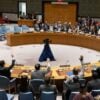
The United Nations Security Council, at its 9642nd meeting on 31st May 2024, decided to extend the mandate of the United Nations Assistance Mission for Iraq [UNAMI] for a final 19-month period until 31 December 2025, unanimously adopting Resolution 2732 (2024).
The Iraqi Government welcomed the resolution terminating the mandate, and expressed Iraq's appreciation for the efforts of the United Nations. "We take this opportunity to emphasize the continuation of sustainable cooperation and partnership with the United Nations and its development programs operating in Iraq," said a government statement.
Text of the Security Council statement:
The Security Council extended the mandate of the United Nations Assistance Mission for Iraq (UNAMI) today for a final 19 month-period until 31 December 2025, after which UNAMI will cease all work and operations except with respect to any remaining liquidation of the Mission.
Unanimously adopting resolution 2732 (2024) (to be issued as document S/RES/2732(2024)), the Council requested that the Secretary-General prepare, in consultation with the Government of Iraq, a transition and liquidation plan to be completed by 31 December for UNAMI to start the transfer of its tasks, as well as the orderly and safe drawdown and withdrawal of its personnel and assets, including identification of an end date for liquidation activities in the country.
The 15-member organ also called on Iraq's Government to cooperate fully with the UN during UNAMI's transition, drawdown and liquidation. Further, it commended the Government's efforts to settle internal issues in Iraq and to make progress towards achieving the milestones set out in the Government's programme and priorities, including the holding of Iraqi Council of Representatives and Iraqi Kurdistan Region parliamentary elections in due course and other priorities set forth in the resolution.
Taking the floor following the adoption, the representative of the United States, the penholder on Iraq, said: "It is particularly important that the mandate recognizes the role that UNAMI can play in providing technical support for elections, promoting and protecting human rights and facilitating engagement between Iraq and Kuwait to resolve outstanding issues." Noting Iraq's dramatic change in recent years and the consequent need to realign the Mission, he said: "Iraq and UNAMI have much to be proud of." Council members will continue to monitor further progress towards achieving important milestones in the Secretary-General's forthcoming reports and recommendations, he added.
The Russian Federation's delegate said most important is that the United States, as file penholder, has taken into account Iraq's priorities. The Mission's mandate will be limited to assisting national efforts in areas that Baghdad considers most important. In the 20 years since it was established, UNAMI has fully realized its potential to help restore Iraqi statehood, and now the people of Iraq are ready to assume full responsibility for the country's political future, she said, voicing firm support for the country's sovereignty and opposition to any interference in its internal affairs.
The representative of the United Kingdom also highlighted UNAMI's significant contribution to Iraq over the past 20 years. She welcomed that the adopted resolution prioritizes support for electoral assistance, women's political participation and human rights during the transition period. Additionally, it allows progress on Kuwaiti missing persons to be realized during the transition, she said.
The representative of China expressed hope that the Secretary-General will prepare a practical transition plan in consultation with Iraq's Government so that the Mission can complete its withdrawal in a phased, safe, orderly and timely manner. Echoing other delegations, he encouraged UNAMI to communicate closely with Iraq's Government to ensure a smooth transition and bring its work to a conclusion.
"A new chapter is opening now for Iraq," said the representative of France. The liquidation must be done in close coordination between Iraq and the UN team, she emphasized, encouraging Iraq to coordinate with the team to ensure a fluid transition. The Council must continue to pay great attention to the issue of missing Kuwaiti people and property, including Kuwait's national archives, which is an important part of UNAMI's work, as provided for in resolution 2107 (2013), she added.
The representative of Guyana, speaking also on behalf of Algeria, Mozambique and Sierra Leone, said the resolution charts a new course for the United Nations' presence and engagement in Iraq as it continues on its path of recovery, reconstruction and democratic consolidation. Their delegations will continue to encourage regional dialogue and cooperation to support Iraq's long-term stability and prosperity. "The constructive engagement from all Council members has been vital in reaching this unanimous decision and paves the way for its effective implementation," she concluded.
See full text of Resolution 2732 (2024) here.
(Source: UN, PMO)
Posted in Politics, Security Comments Off on UN Terminates Iraq Assistance Mission from end-2025

Iraq Looks To Finish Phase 1 of CSSP Megaproject by 2028
Posted on 17 May 2024 .
By Simon Watkins for the OilPrice.com. Any opinions expressed are those of the author(s), and do not necessarily reflect the views of Iraq Business News.
Iraq Looks To Finish Phase 1 of CSSP Oil Megaproject by 2028
On the face of it, there is no good reason why Iraq cannot become one of the world's top three producers, even taking the number two spot ahead of Russia and then Saudi Arabia.
According to local Iraqi news sources the first phase of the delayed CSSP oil project is expected to be operational by 2028.
Endemic corruption in Iraq has kept the country from completing major infrastructure projects.
Posted in Construction & Engineering In Iraq, Iraq Oil & Gas News Comments Off on Iraq Looks To Finish Phase 1 of CSSP Megaproject by 2028
Why Iraq Awarded Vital Gas Field to Ukrainian Firm
Posted on 13 May 2024 .
By Simon Watkins for the OilPrice.com. Any opinions expressed are those of the author(s), and do not necessarily reflect the views of Iraq Business News.
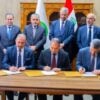
Why Iraq Just Awarded A Strategically Vital Gas Field To A Ukrainian Firm
Russia-aligned Iraq has awarded the development of a crucial gas field to a Ukrainian firm.
The importance of the Akkas gas field for Russia, Iran, and China can barely be overstated.
Posted in Iraq Oil & Gas News, Politics, Security Comments Off on Why Iraq Awarded Vital Gas Field to Ukrainian Firm

Human Rights situation in Iraq Worsened - US Govt
Posted on 27 April 2024 .
By John Lee.
The US government has said that the human rights situation in Iraq worsened during the year, due to increased federal and Kurdistan Regional Government restrictions on fundamental freedoms and civic space.
In a wide-ranging report, the State Department pointed to intermittent attacks by the Islamic State of Iraq and Syria and its affiliated cells; sporadic fighting between the Iraqi Security Forces and the Islamic State of Iraq and Syria in remote areas; Turkish military operations against Kurdistan Workers Party bases in Iraq; the presence of militias not fully under the control of the government, including Iran-aligned Popular Mobilization Forces units; and sectarian, ethnic, and financially motivated violence.
Full report from the US Department of State:
EXECUTIVE SUMMARY
The human rights situation worsened during the year due to increased federal and Kurdistan Regional Government restrictions on fundamental freedoms and civic space. There were intermittent attacks by the Islamic State of Iraq and Syria and its affiliated cells; sporadic fighting between the Iraqi Security Forces and the Islamic State of Iraq and Syria in remote areas; Turkish military operations against Kurdistan Workers Party bases in Iraq; the presence of militias not fully under the control of the government, including Iran-aligned Popular Mobilization Forces units; and sectarian, ethnic, and financially motivated violence.
Significant human rights issues included credible reports of: arbitrary or unlawful killings, including extrajudicial killings; enforced disappearance; torture and cruel, inhuman, and degrading treatment or punishment by government officials; harsh and life-threatening prison conditions; arbitrary arrest or detention; arbitrary or unlawful interference with privacy; punishment of family members for offenses allegedly committed by an individual; serious abuses in a conflict, including attacks resulting in civilian deaths and harm; serious restrictions on free expression and media, including violence or threats of violence against journalists, unjustified arrests and prosecutions against journalists, censorship, and existence of criminal libel laws; serious restrictions on internet freedom; substantial interference with the freedom of peaceful assembly and freedom of association; restrictions on freedom of movement, including forced returns of internally displaced persons to locations where they faced threats to their lives and freedom; refoulement of refugees to a country where they would face torture or persecution, including serious harm such as a threat to life or freedom or other mistreatment that would constitute a separate human rights abuse; serious government corruption; extensive gender-based violence, including domestic violence and other forms of such violence; crimes involving violence or threats of violence targeting members of ethnic minority groups, internally displaced persons, and returnee populations; crimes involving violence or threats of violence targeting lesbian, gay, bisexual, transgender, queer, or intersex persons; trafficking in persons, including forced labor; significant restrictions on workers' freedom of association; and the existence of the worst forms of child labor.
The government took some steps to identify, investigate, prosecute, and punish officials who may have committed human rights abuses.
The government investigated and prosecuted allegations of ISIS atrocities and other abuses and, in some instances, reported the convictions of suspected ISIS members under the counterterrorism law.
Section 1.
Respect for the Integrity of the Person
a. Arbitrary Deprivation of Life and Other Unlawful or Politically Motivated Killings
There were several reports the government or its agents committed arbitrary or unlawful killings, including extrajudicial killings. On September 25, militias from the Iran-aligned and government-affiliated Popular Mobilization Forces (PMF) allegedly shot and killed a popular TikTok gay personality and makeup artist Noor Alsaffar in Baghdad. Prior to the shooting, Alsaffar faced online abuse and harassment regarding sexuality and gender.
On January 1, ISIS killed two persons it had kidnapped in Kirkuk in 2021. An investigation remained underway at the end of the year.
b. Disappearance
There were reports of disappearances perpetrated by or on behalf of government authorities, including Federal Police and PMF units. In April and September, the UN Committee on Enforced Disappearances urged the government to address the needs and rights of victims, including incorporating enforced disappearances as a separate offense in national legislation to aid in prosecution, establishing a comprehensive search and investigation strategy, and ensuring all detainees were registered.
The Iraqi Observatory for Human Rights stated that nearly 12,000 Iraqi families had submitted reports of missing persons between 2017 and 2023, emphasizing that the actual total number was likely much higher. On August 30, the International Committee of the Red Cross (ICRC) reported receiving 994 tracing requests for missing persons during the first half of the year. The fate and whereabouts of 171 persons were determined and five persons were reunited with their families abroad. In June, Amnesty International urged authorities to take concrete action to determine the whereabouts of at least 643 men and boys who were forcibly disappeared in June 2016 by PMF units during operations to retake Fallujah from ISIS. Amnesty International noted that no units had been held accountable for the disappearances.
c. Torture and Other Cruel, Inhuman, or Degrading Treatment or Punishment, and Other Related Abuses
The federal constitution prohibited torture and forced confessions, and there were credible reports that government officials employed them. The law did not provide the legal framework and procedural safeguards to prevent torture. Torture in jails, detention facilities, and prisons was often hidden from effective legal oversight. The law did not define what types of conduct constituted torture and gave judges full discretion to determine whether a defendant's confession was admissible, often without regard for the way it was obtained. Courts routinely accepted forced confessions as evidence, which in some ISIS-related counterterrorism cases was the only evidence considered. Numerous reports from local and international nongovernmental organizations (NGOs) indicated government officials employed torture and other cruel, inhuman, or degrading treatment or punishment. Federal Police, the PMF, and certain units of the KRG Asayish internal security services operated without accountability. The KRG, however, took significant steps to uphold the rule of law in its security apparatus, such as training more than 400 Peshmerga officers and employees in human rights, gender sensitivity, and civilian protection.
There were credible reports government forces, including Federal Police, the National Security Service (NSS), and the PMF, abused and tortured individuals - particularly Sunni Arabs - during arrest and pretrial detention and after conviction. Former prisoners, detainees, and international human rights organizations documented cases of torture and other cruel, inhuman, or degrading treatment or punishment in detention facilities run by the Ministry of Interior and, to a lesser extent, by the Ministry of Defense. According to government forensics officials, some victims showed signs of extensive beatings, including bone fractures. Local NGOs reported deaths at pretrial detention facilities, deportation prisons, and prisons due to the continuation of systemic torture and the poor conditions in detention centers.
In May, the former head of the anti-corruption "Committee 29" General Abu Ragheef was arrested and detained following an "explicit directive" from the interior minister amid allegations of corruption and inhuman practices. Beginning in 2021, detainees disclosed to officials allegations of torture by Committee 29 to obtain confessions. In June, the prime minister approved the recommendations of a special investigative committee to hand over the investigative documents of Committee 29 to the judiciary to ensure accountability. Qassim Hamoud Mansour, a government official arrested by the committee, died in the hospital; pictures reviewed by journalists showed evidence of blunt force trauma to Mansour's head and his teeth having been knocked out. Medical records and photographs reportedly corroborated injuries other detainees allegedly sustained while in custody. Torture methods detailed by press and corroborated by human rights observers included beatings with metal poles and electric shocks to detainees' genitalia.
In August, Human Rights Watch reported deaths occurred on a weekly basis inside government prisons as a result of torture, beatings, or malnutrition, especially al-Hout prison in Dhi Qar Province and al-Rusafa central prison and al-Hilla prison. Prisons also recorded incidents of suicide, and parliamentarians warned of "systemic torture" in prisons. Nazila Maroufian, an Iranian Kurdish journalist, claimed she was tortured for 13 days in January in Sulaymaniyah prison.
The Head of the NGO Strategic Center for Human Rights, Fadel al-Gharawi, noted in November 2022 that the Prime Minister's Office had created a committee to receive complaints of torture in prisons. No information was publicly available regarding the committee's work or the number of complaints it had received at year's end. In August, the Ministry of Justice announced an investigation into a video clip posted on social media purporting to show a prisoner who was tortured to death inside the Taji central prison north of Baghdad.
Prison and Detention Center Conditions
Prison and detention center conditions were harsh and occasionally life threatening due to food shortages, gross overcrowding, physical abuse, inadequate sanitary conditions and medical care, and the threat of communicable illnesses.
Abusive Physical Conditions: The number of alleged ISIS members detained by the government exacerbated systemic overcrowding in government-run prisons. The Iraqi Correctional Service, part of the Ministry of Justice, administered 29 facilities in the country. The Justice, Defense, and Interior Ministries operated 24 detention facilities. The Counter Terrorism Service also ran at least one pretrial detention facility. In April, the Ministry of Justice confirmed that government prisons were at 300 percent of capacity. The Ministry of Justice announced the dismissal of the director of Rusafa prison after acknowledging the prison was at 400 percent capacity.
Members of the Council of Representatives (COR) Human Rights Committee denounced the situation in women's prisons as a human rights violation, noting the majority of inmates came from ISIS-related families. According to the Ministry of Justice, authorities detained children up to age 12 with mothers alleged to have an ISIS affiliation. By some reports, 100 children were in detention with their mothers during the year. Reports alleged an estimated 60 adult inmates died. In May, at least 400 women in a high-security prison in Baghdad went on a hunger strike to protest their convictions as members of ISIS after allegedly unfair trials and to highlight poor prison conditions. Amnesty International reported courts imposed long prison terms and death sentences in ISIS-linked cases "following convictions based primarily on torture-tainted confessions." Human Rights Watch reported 13 prisoners were executed on December 25 in Nasiriyah prison. According to Human Rights Watch (HRW), most of the men were convicted of terrorism and executed without transparency, advance notice, and the inability to call their families or lawyers. HRW cited this as the first "mass execution" since the practice was largely halted under the previous government in 2020.
In September, Musab al-Alusi, a fellow at the Gulf International Forum, reported authorities kept inmates in detention for long periods before their sentences were issued, and security guards exposed detainees to various types of torture. He added that militias, political parties, tribal factions, and other factions maintained dozens of "secret detention facilities" where they practiced systemic torture.
In July, the Ministry of Justice acknowledged the spread of diseases in prisons due to overcrowding and stated it would coordinate with the Ministry of Health to improve the health conditions of prisoners. The ministry explained "the health situation inside prisons" was "one of the most prominent obstacles facing the ministry's work," as "diseases have spread among inmates" as a result of overcrowding.
International and local human rights groups reported authorities in numerous instances denied family visits to detainees and convicts. In many cases, the families of inmates had to pay large bribes to visit their relatives in person. Guards allegedly demanded bribes or beat detainees when detainees asked to call their relatives or legal counsel.
Across the Iraqi Kurdistan Region (IKR), there were six correctional centers, three for detained men and three for detained women and juveniles. The centers designated for women and juveniles held both pretrial detainees and prisoners, while pretrial detained men were held at police station detention facilities throughout the IKR. The total number of detainees incarcerated exceeded the designated capacity across all facilities by 157 percent. According to KRG officials, the prison population was 4,922, of whom 181 were juveniles. In some detention centers and police-run jails, KRG authorities occasionally held juveniles in the same cells as adults, as in the IKR the minimum age for legal responsibility was 11.
The Independent Human Rights Commission Kurdistan Region, an independent commission under the KRG parliament, reported IKR correctional centers suffered from long-term problems of overcrowding, inadequate water, sanitation, and hygiene facilities, use of violence during preliminary detention, and outdated infrastructure at women's and juvenile centers. The limited medical staff was unable to provide adequate medical services to all prisoners.
Administration: The federal government and the KRG reported they took steps to address allegations of mistreatment in government-administered prison and detention facilities, but the extent of these steps was not known.
KRG officials reported detention facilities in the IKR were monitored by the ICRC and the United Nations Assistance Mission for Iraq (UNAMI) and that detainees could report cases of torture through the prison administration, the public prosecutor, or human rights organizations. Despite concerns being raised, authorities ignored physical signs of torture, and the complaints procedures appeared to be neither fair nor effective. Many detainees chose not to report mistreatment due to a lack of trust in authorities or fear of reprisals.
Independent Monitoring: Federal Corrections Service prisons allowed regular visits by independent nongovernmental observers. The Ministry of Justice reported 68 visits to adult correctional facilities and 23 visits to juvenile correctional facilities.
The Gulf International Forum stated the Ministry of Justice not only prevented human rights organizations from visiting prisons but also refused to reveal the conditions of prisoners.
d. Arbitrary Arrest or Detention
The federal constitution and laws prohibited arbitrary arrest and detention and provided for the right of any person to challenge the lawfulness of their arrest or detention in court. Despite such protections, there were numerous reports of arbitrary arrests and detentions, predominantly of Sunni Arabs, including internally displaced persons (IDPs).
Arrest Procedures and Treatment of Detainees
The law prohibited the arrest or detention of individuals without the order of a judge or court unless law enforcement caught the perpetrator in the act of the criminal offense. The law also prohibited any entity other than legally competent authorities from detaining any person. Local human rights activists, however, reported PMF units sometimes detained persons without warrant. The law required authorities to register the detainee's name, place of detention, reason for detention, and legal basis for arrest within 24 hours of the detention, a period that could be extended to a maximum of 72 hours in most cases. For offenses punishable by death, authorities could legally detain the defendant as long as necessary to complete the judicial process. The Ministry of Interior was responsible for managing and updating these registers. The law required the Defense and Interior Ministries, as well as the NSS, to establish guidelines for commanders in battlefield situations to register detainees' details in the central register.
Local media and human rights groups reported authorities arrested suspects in security sweeps without warrants, particularly under the antiterrorism law, and frequently held such detainees for prolonged periods without charge or registration. The government periodically released detainees, usually after concluding it lacked sufficient evidence for the courts to convict them, but many others remained in detention pending review of other outstanding charges.
The law allowed release on bond for criminal (but not security) detainees. Authorities rarely released detainees on bail. The law provided for judges to appoint free counsel for the indigent. Attorneys appointed to represent detainees frequently complained of insufficient access to their clients that hampered adequate attorney-client consultation. In many cases, detainees could not meet their attorneys before their scheduled trial date.
Arbitrary Arrest: There were numerous reports of arbitrary arrest or unlawful detention by government forces, including by ISF, NSS, PMF, and Asayish security forces. There were no reliable statistics available regarding the total number of such acts or the length of detentions. Authorities reportedly often failed to notify family members of the arrest or location of detention, resulting in incommunicado detention if not enforced disappearance. Humanitarian organizations also reported that, in many instances, federal authorities did not inform detainees of the reasons for their detention or the charges against them. Many reports of arbitrary or unlawful detention involved suspected members or supporters of ISIS and their associates and family members.
Human rights organizations, activists, and journalists reported frequently that KRG authorities arbitrarily detained journalists, activists, and protesters. Those detained maintained they were not informed of the charges against them and were eventually released without charge, with some reporting mistreatment during detention. In August, KRG Asayish intelligence agents arrested journalist Islam Kashani in Zakho after Kashani criticized the KRG's alleged corruption and mismanagement of public salaries. He was released two days later, but according to local media reports, authorities did not present a warrant for Kashani's arrest even though they raided his home after his detention.
Pretrial Detention: The law authorized the Ministries of Justice, Defense, Interior, and Labor and Social Affairs to hold pretrial detainees. The security services, which reported directly to the Prime Minister's Office, could also hold pretrial detainees for a brief period in limited circumstances. Lengthy pretrial detentions were a systemic problem and frequently equaled or exceeded the maximum penalty for the alleged crime without due process or judicial review, particularly for those accused of having ties to ISIS. In September, the Gulf International Forum stated some detainees remained in custody for months or years before rulings were issued, while others remained in detention without charges ever being brought against them. According to observers, the state and individuals brought charges against 28,000 detainees, while 29,000 others were still awaiting charges.
According to NGOs, the high number of pretrial detentions was the result of a serious backlog in court hearings, which resulted from several factors, including the large number of detainees, undocumented detentions, slow processing of criminal investigations, an insufficient number of judges and trained judicial personnel, authorities' inability or reluctance to use bail or other conditions of release, a lack of information sharing, bribery, and corruption.
Lengthy pretrial detentions were particularly common in areas liberated from ISIS, where the large number of ISIS-related detainees and use of makeshift facilities led to significant overcrowding and inadequate services. There were reports of detention beyond judicial release dates and unlawful releases. Authorities reportedly held numerous detainees without trial for months or years after arrest, particularly those detained under the antiterrorism law. Authorities sometimes held detainees incommunicado or without access to defense counsel, presentation before a judge, or arraignment on formal charges within the legally mandated period. Prison and detention center authorities also sometimes delayed the release of exonerated detainees or inmates due to lack of prisoner registration or other bureaucratic problems, or extorted bribes from prisoners prior to their release at the end of their sentences.
In September, local media reported the stories of six former detainees who spoke of abuse and lengthy pretrial detention in prisons run by the Ministry of Justice, citing that some detainees were forced to pay bribes to receive a trial date and avoid up to three years in pretrial detention. NGOs reported KRG authorities held detainees for extensive periods in pretrial detention. KRG officials noted prosecutors and defense attorneys frequently encountered obstacles in carrying out their work and trials were unnecessarily delayed for administrative reasons. According to the IHRCKR, some detainees remained in KRG internal security service facilities for extended periods even after court orders were issued for their release. Lawyers provided by an international NGO continued to have access to and provide representation to allegedly ISIS-affiliated juveniles who lacked a court-appointed attorney and all unrepresented juveniles in the IKR.
e. Denial of Fair Public Trial
The constitution provided for an independent judiciary, but certain articles of law restricted judicial independence and impartiality. The Federal Supreme Court ruled on matters related to federalism and the federal constitution, and a separate Higher Judicial Council managed and supervised the court system, including disciplinary matters.
Corruption or intimidation reportedly influenced some judges in criminal cases at the trial level and on appeal at the Court of Cassation. Numerous threats and killings by sectarian, tribal, violent extremist, and criminal elements impaired judicial independence, as judges, lawyers, and their family members frequently faced death threats and attacks. In April, the bar association reported a lawyer was threatened and attacked by the defendants in a lawsuit he had filed. The association stated the attack was part of an increasing trend of attacks against lawyers, ranging between five and 10 per month around the country.
The Kurdistan Judicial Council was legally, financially, and administratively independent from the KRG Ministry of Justice, but KRG senior leaders reportedly influenced politically sensitive cases. The IKR's strongest political parties, KDP and the PUK, also reportedly influenced judicial appointments and rulings.
Both local and international human rights organizations asserted judges frequently failed to investigate credible allegations that security forces tortured terrorism suspects and often convicted defendants based solely on coerced confessions.
Trial Procedures
The federal constitution and law provided for the right to a fair and public trial, but the judiciary did not enforce this right for all defendants. Some government officials and international organizations including UNAMI reported trial proceedings fell short of international standards.
By law, accused persons had the right to presumption of innocence until proven guilty. International NGOs indicated that judges in ISIS-related cases, however, sometimes reportedly presumed defendants' guilt based on presence or geographic proximity to ISIS activities, or on a spousal or familial relationship to another defendant. The law required detainees to be informed promptly and in detail of the charges against them and of their right to a fair, timely, and public trial. Nonetheless, officials routinely failed to inform defendants promptly or in detail of the charges against them. Trials were public, except in some national security cases. Numerous defendants experienced undue delays in reaching trial.
The law granted defendants the right to be present at their trial and the right to a privately retained or court-appointed counsel at public expense, if needed. Defendants frequently did not have adequate time or facilities to prepare a defense. Insufficient access to defense attorneys was a serious defect in investigative, trial, and appellate proceedings. This scenario was typical in counterterrorism courts, where judicial officials reportedly sought to complete convictions and sentencing for thousands of suspected ISIS members quickly, including through mass trials.
Defendants also had the right under law to the free assistance of an interpreter, if needed. The qualifications of interpreters varied greatly. Some foreign missions provided interpreters to their citizen defendants. When no interpreter was available, judges reportedly postponed proceedings and sent the foreign defendants back to detention.
Investigative judges assembled evidence and determined whether matters should be referred to a trial panel. Three judge trial panels reviewed the investigative file, held trials, and adjudicated guilt or innocence. Legally, those accused could not be compelled to testify or confess guilt. Nevertheless, defendants and their attorneys were not always granted access to evidence, or government officials demanded a bribe in exchange for access to the case files. In numerous cases, judges reportedly relied on forced or coerced confessions as the primary or sole source of evidence in convictions, without the corroboration of forensic evidence or independent witness testimony. The law provided for retrials of detainees convicted due to forced or coerced confessions or evidence provided by secret informants, but local organizations reported authorities implemented the law selectively.
As of March, Sherwan Sherwani and Guhdar Zebari - two of the "Badinan" detainees, a reference to the area in Duhok Province where Asayish forces and KDP intelligence service Parastin officers arrested dozens of activists, journalists, and protesters in 2020 - remained in prison. Sherwani and Zebari were due for release during the year, but their prison terms were extended after additional charges were levied immediately prior to their scheduled release date. In July, KRG Asayish security forces arrested journalist Omed Baroshki in Duhok after Baroshki held a press conference to criticize the extended sentence issued to Sherwani while calling for protests against the decision.
Political Prisoners and Detainees
There were reports of political prisoners and detainees. It was difficult to assess individual claims due to lack of government transparency, prevalence of corruption in arrest procedures, slow case processing, and extremely limited access to detainees, especially those held in counterterrorism, intelligence, and military facilities. The government did not consider any incarcerated persons to be political prisoners and declared that all incarcerated persons had violated criminal statutes. Political opponents of the government, however, alleged the government imprisoned individuals for political activities or beliefs under the pretense of criminal charges ranging from corruption to terrorism and murder. Local NGOs reported journalists and political activists faced arrests and harassment throughout the year for statements critical of the government, Iran, and militias.
f. Transnational Repression
Several activists from the 2019 Tishreen movement who lived in exile in foreign countries reported receiving regular threats to their own and their families' safety, including warnings they would be harmed if they returned to Iraq. Some of the activists moved abroad due to criminal lawsuits they believed were aimed at preventing them from exercising their right of free expression and in retaliation for leading antigovernment protests.
g. Property Seizure and Restitution
The federal constitution and law prohibited the expropriation of property, except for the public benefit and in return for just compensation. Home and property confiscations declined during the year, especially property seized from religious or ethnic minority groups or suspected ISIS members.
In May, regional news outlets reported extensive commercial property seizures in central Baghdad by Iran-aligned militias Asai'b Ahl al-Haq, Kata'ib Hizballah, and the Badr Organization by threat and intimidation via their affiliated PMF units against property owners. In August, the prime minister directed the Ministry of Interior to open an investigation into these reports of unlawful property seizure.
h. Arbitrary or Unlawful Interference with Privacy, Family, Home, or Correspondence
The federal constitution and law prohibited such actions, but there were numerous reports the government failed to respect these prohibitions. Government forces often entered homes without judicial or other appropriate authorization.
Authorities reportedly detained spouses and other family members of fugitives - mostly Sunni Arabs wanted on terrorism charges - to compel the fugitives to surrender.
i. Conflict-related Abuses
Conflict-related abuses stemmed from intermittent attacks by ISIS and its affiliated cells; sporadic fighting between the ISF and ISIS in remote areas; the presence of militias not fully under the control of the government, including certain PMF units; continued conflict between Türkiye and the PKK; and sectarian, ethnic, and financially motivated violence. ISIS carried out sporadic attacks on civilians, often in Shia communities. The government issued multiple formal complaints regarding Turkish incursions into the country's sovereign territory.
Killings: Iraq Body Count, an independent NGO that records civilian deaths in the country, reported 398 civilians killed due to internal conflict through August.
There were reports of civilian deaths due to Turkish military operations in the country's north. In April, media reported two Kurdish civilians were killed in Turkish airstrikes in Duhok. In August, media reported one civilian was killed and one civilian was injured from a Turkish drone strike in Duhok, and four civilians were killed, and one civilian was injured during Turkish airstrikes in Sulaymaniya. In September, media reported security forces confirmed one civilian died and another civilian was injured from a Turkish drone airstrike against alleged PKK targets in the Sangaser subdistrict of Sulaymaniya Province.
Despite its territorial defeat in the country, ISIS remained a major perpetrator of atrocities and other abuses. The remaining fighters operated from sleeper cells and strike teams that carried out sniper attacks, ambushes, kidnappings, and killings against security forces and community leaders. These abuses were particularly evident in Anbar, Diyala, and Kirkuk Provinces. On March 26, ISIS claimed responsibility for killing one soldier and injuring another during an attack in Anbar in the west of the country. On June 11, the Ministry of Defense announced an ISIS attack in Kirkuk killed two officers and injured three soldiers. On September 8, ISIS attacked an army checkpoint in northeastern part of the country, injuring a soldier. On November 30, ISIS exploded a roadside bomb and opened fire in a gun attack that killed 11 civilians and wounded rescuers and bystanders in the eastern province of Diyala.
Abductions: There were frequent reports of enforced disappearances by or on behalf of government forces, including the ISF and the PMF, as well as non-PMF militias and criminal groups. On August 3, the president of the IKR confirmed that 2,644 (1,244 women and 1,402 men) of the 6,417 Yezidis kidnapped by ISIS in 2014 remained missing. Members of other minority populations were also victims of human rights abuses committed by ISIS forces.
On March 21, journalist, researcher, and human rights activist Elizabeth Tsurkov, a dual Russian-Israeli citizen, disappeared after leaving her Baghdad apartment to conduct research for her dissertation. At years end, no one had heard from her since her disappearance, but a video circulated on WhatsApp in November with Tsurkov "confessing" to promoting Shia-Shia conflict and the Tishreen movement in coordination with "Mossad and the CIA." Various sources, including a press release from the Israeli Prime Minister's office accused Kata'ib Hizballah of kidnapping her.
Other Conflict-related Abuse: Throughout the year, conflict disrupted the lives of hundreds of thousands of persons throughout the country, particularly in Baghdad, Anbar, Diyala, Salah al-Din, and Ninewa Provinces.
Government forces, including the ISF and PMF, established or maintained roadblocks that reportedly impeded the flow of humanitarian assistance to communities in need, particularly in areas such as the Ninewa Plain and Sinjar in Ninewa Province, where the KRG and central government disputed administrative boundaries. In September, the UN Security Council approved a one-year extension of the mandate of the UN Investigative Team to Promote Accountability for Crimes Committed by Da'esh/ISIL, which was originally established in 2017 to support domestic efforts to hold ISIS accountable for actions that could amount to war crimes, crimes against humanity, and genocide by collecting, storing, and preserving evidence.
Tribal conflicts continued and involved the use of unlicensed weapons, although security authorities confiscated such weapons. The Ministry of Interior, through its Directorate of Tribal Affairs, resolved more than 2,400 tribal conflicts and seized more than 45,000 unlicensed weapons after increased security operations to counter the escalation in violence. The UN's annual Children and Armed Conflict Report, released on July 5, verified that in 2022 there were 202 grave violations against 173 children (125 boys, 48 girls), including eight children who were victims of multiple violations. By the end of December 2022, "936 children (927 boys, 9 girls) remained in detention on national security-related charges, including for their actual or alleged association with armed groups, primarily Da'esh" (ISIS).
Section 2.
Respect for Civil Liberties
a. Freedom of Expression, Including for Members of the Press and Other Media
The federal constitution protected freedom of expression, including for members of the press and other media, albeit with restrictions on expression that authorities assessed violated public order and morality or that expressed support for the banned Ba'ath Party. Media and social activists faced various forms of pressure and intimidation from authorities, making self-censorship the primary limitation on freedom of expression, due to a credible fear of reprisals by the government, political parties, ethnic and sectarian forces, militias, terrorist and violent extremist groups, or criminal gangs. Advocates of freedom of expression stated that because the law did not specifically define what acts violated public order and morality, authorities could use the vagueness of the law to stifle protected expression.
Freedom of Expression: Individuals were not able to criticize the government publicly or privately without fear of reprisal. Paramilitary militias harassed activists and new reform-oriented political movements online and in person, including through online disinformation, bot attacks, and threats or use of physical violence to silence them and halt their activities.
In August, UN High Commissioner for Human Rights Volker Turk expressed concern during an official visit to the country that a series of actions taken by those in power - for example, bringing criminal defamation suits against journalists and civil society actors - had created a "chilling effect" on freedom of expression, particularly for environmental defenders.
Legal harassment by radical Islamic parties and Iran-aligned militia groups using malicious lawsuits against activists, human rights defenders (HRDs), and journalists limited freedom of expression and civic engagement. Civil society organizations reported an unprecedented level of legal harassment, principally via false accusations of criminal activity and vague punishment for "dissent" or "slander" following public comments and criticism of government actors. Sometimes referred to as malicious, fraudulent, or nuisance lawsuits, these legal actions tended to cite obscure articles of law and rely on extremely broad legal interpretations. Many cases of malicious lawsuits did not reach the public domain due to the victims' fear of retaliation or further harm.
The government increasingly targeted social media users. The Ministry of Interior established new social media rules in January, launching a platform allowing individuals to denounce or report any content "that violates public morals, contains negative and indecent messages, and undermines social stability." According to Amnesty International, between January and June authorities prosecuted at least 20 individuals regarding the peaceful exercise of freedom of expression.
Security Forces, mostly those under the Ministry of Interior, within the NSS, or from the PMF, in addition to KRG forces (primarily Asayish), arrested and detained protesters and activists critical of the central government and of the KRG, respectively, according to statements by government officials, NGO representatives, and press reports. On February 13, the Iraqi Human Rights Observatory stated authorities arrested social media users arbitrarily for posting "low-quality content." Authorities reportedly treated these detainees as if they were involved in "terrorist" acts that inflicted damages on public institutions or led to the loss of public funds.
Political parties in the IKR, namely the PUK and the KDP, prioritized access to the outlets they or their members owned or controlled. IKR-based outlets without strong political or financial backers reported difficulty accessing information or reporting venues.
Violence and Harassment: Journalists continued to face threats, intimidation, and attacks by militia or security forces. The Press Freedom Advocacy Association recorded 345 cases of abuses of journalists nationwide as of the end of May, with the majority of cases in Baghdad and Erbil. Government forces occasionally prevented journalists from reporting, citing security reasons. Some media organizations reported arrests and harassment of journalists, as well as government efforts to prevent them from covering politically sensitive topics, including security matters, corruption, and government failure to provide adequate services.
Reporters Without Borders (RSF) counted nearly 20 arrests of journalists in the IKR during the year. The Erbil-based Organization of Reporters for Rights and Development reported that during the first six months of the year, there were 49 violations committed against 99 IKR-based journalists and social media bloggers. RSF highlighted the surge in abuses against members of the press in the KRG, where several journalists were arbitrarily arrested and, when their release dates approached, found themselves charged with additional crimes leading to extended jail terms.
Throughout the country there were reports of beatings, detentions, and death threats against media workers, particularly toward journalists working for opposition-affiliated and nonpartisan outlets. In August, a journalist from Halabja reported receiving death threats from individuals he believed to be from Iranian intelligence due to his reporting on the country's interference in the region's politics. In September, a journalist from Duhok reported he received death threats due to his reports on government corruption in the city.
Censorship or Content Restrictions for Members of the Press and Other Media, Including Online Media: The law prohibited producing, importing, publishing, or possessing written material, drawings, photographs, or films that violate public integrity or decency. The penalties included fines and imprisonment. Fear of violent retaliation for publishing facts or opinions critical of political factions inhibited free expression.
Federal government and, to a lesser extent, KRG oversight and censorship sometimes interfered with media operations, at times resulting in the closure of media outlets, restrictions on reporting, denial of access to public information, and interference with internet service. Some KRG courts applied the more stringent Iraqi criminal code in lawsuits involving journalists rather than local KRG law, which provided greater protection for freedom of expression and forbade the detention of journalists.
By year's end, the KRG had not implemented a freedom of information law originally passed in 2013. Journalists and press freedom advocates claimed the judiciary was not impartial in press freedom cases or in lawsuits against the KRG for failure to provide information. In January, an Erbil appeals court rejected lawsuits filed by Pereagraf News against the KRG prime minister and IKR president over their refusal to turn over public budget information.
On May 22, the KRG Ministry of Culture and Youth released a directive outlining new media regulations in the IKR. The directive tightened licensing procedures for IKR-based media outlets, increased license fees, and authorized the ministry to monitor published content and restrict the material outlets could broadcast. This was the first time the ministry asserted control over what individuals in the IKR could say on social media.
Local media were active and expressed a variety of views, largely reflecting media outlet owners' political viewpoints. Media also self-censored to comply with government restrictions against "violating public order" and because of fear of reprisal by political figures and parties, militias, terrorist groups, criminal organizations, government officials, and private individuals. Political parties strongly influenced or controlled outright most of the several hundred daily and weekly print publications, as well as dozens of radio and television stations, social media platforms, and social media influencers.
Libel/Slander Laws: The law criminalized libel, slander, blasphemy, and defamation, including insulting government leaders. The judiciary, militias, and government officials used arrest warrants in defamation cases to intimidate, silence, and, in some instances, apparently to "flush out" activists and journalists from hiding. Human rights organizations recommended the government revise the law, which they stated was used to silence dissent and calls for reform. On March 25, Mohammed Na'naa was arrested and then released on bail in a defamation case filed in October 2022 by the prime minister. Na'naa was awaiting trial at the end of the year. On May 30, the Misdemeanor Court in Mosul acquitted human rights defender and journalist Yasser al-Hamdani of charges of slander and defamation against a government official in connection with his work fighting corruption.
IKR-based journalists broadly reported fears of being arrested or detained for defamation if they critically reported on powerful actors. In September, media outlets reported a Halabja court sentenced the head of the IKR NGO Halwest Organization, which monitored and evaluated public-sector performance, to six months in prison for defamation after the organization reported on corruption in the Halabja General Directorate for Health.
National Security: Paramilitary militias in the PMF frequently threatened members of Sunni and minority communities with terrorism charges to silence their dissent, especially in areas where the militias had taken over local land and economic activities and blocked the return of Sunni IDPs.
Nongovernmental Impact: Nongovernmental and quasi-governmental actors, including militias outside of state control, terrorist groups, and criminal organizations, threatened journalists with violence for reporting on sensitive subjects.
Internet Freedom
The government restricted or disrupted access to the internet and censored online content, and there were credible reports the government monitored private online communications without appropriate legal authority. Government restrictions on access to the internet were overt, and the government declared it had full legal authority for its monitoring of private online communications. Despite restrictions, political figures and activists used the internet to criticize politicians, organize demonstrations, and campaign for candidates through social media platforms. Militias used bots and disinformation campaigns to attack and defame activists, independent elections candidates, and the electoral commission.
According to Freedom House, federal government and KRG authorities disrupted internet access during protests and used vaguely worded laws to criminalize some online activities. Civil society organizations reported government and militia forces monitored their activists' social media pages, and the activists faced harassment or criminal charges based on their social media activity.
In the IKR, some independent journalists said groups affiliated with the main political parties falsely flagged their posts to Facebook administrators as copyrighted content in attempts to block their dissemination of information. Some media outlets reported facing cyberattacks, including distributed denial of service attacks, after publishing stories on government corruption, which they alleged were state sponsored given their timing and sophistication.
b. Freedoms of Peaceful Assembly and Association
The government occasionally limited freedoms of peaceful assembly and association.
Freedom of Peaceful Assembly
The federal constitution provided for freedom of assembly and peaceful demonstration "regulated by law," and the government generally respected this right. Regulations required protest organizers to request permission seven days in advance of a demonstration and submit detailed information regarding the applicants, the reason for the protest, and participants. The regulations prohibited all "slogans, signs, printed materials, or drawings" involving "sectarianism, racism, or segregation" of citizens. The regulations also prohibited anything that would violate the constitution or law; encourage violence, hatred, or killing; or prove insulting to Islam, "honor, morals, religion, holy groups, or Iraqi entities in general." Authorities generally issued permits in accordance with the regulations. There were no examples in the IKR of violence against protesters.
Many protests, including spontaneous demonstrations, proceeded even when authorities did not grant permission, with demonstrators arguing the constitution required them only to notify the government, not ask for permission. Because authorities typically provided only verbal responses to requests to demonstrate, it was difficult to document the government's record of granting or rejecting protest permits.
On September 2, the ISF used live ammunition to disperse a Kurdish crowd protesting to reopen a highway that PMF members had closed to prevent the KDP from returning to its headquarters in Kirkuk. The ISF killed four Kurdish protesters, injured dozens more, and arrested 30 who were later released after Kurdish parties lobbied for their release. The prime minister pledged those responsible for the violence would be held accountable and condemned the violent altercations. As of year's end, the results of the government's investigation had not been made public and no one involved had been charged with a crime.
Freedom of Association
The federal constitution provided for the right to form and join associations and political parties, with some legislated exceptions, including prohibitions against expressing support for the Ba'ath Party, "Zionist principles," or Israel. Within those parameters, the government generally respected this right.
NGOs registered with the federal Department of NGOs (DNGO) in Baghdad were required also to register with the KRG DNGO to operate in the IKR, and KRG-registered NGOs had to register with the federal DNGO to operate outside the IKR.
In August the KRG DNGO announced it had made several changes to its registration and license renewal procedures following complaints by NGOs that they were extremely cumbersome. NGOs reported, however, there were no noticeable improvements following the announcement.
According to NGO reports, authorities could dictate the internal structure of NGOs and sometimes even an organization's choice of name. One NGO's representative reported the DNGO in Baghdad took six months to process the group's registration and approve its name. DNGO officials reportedly told the NGO the country was "enjoying democracy and human rights" and questioned the "need and benefit" of registering an organization focused on those matters. Other NGOs reported similar difficulties, particularly if the name of their organization pertained to human rights or democracy, with some registrations taking longer than one year.
c. Freedom of Religion
See the Department of State's International Religious Freedom Report at https://www.state.gov/religiousfreedomreport/ .
d. Freedom of Movement
The federal constitution and law mostly provided for the freedom of internal movement, foreign travel, emigration, and repatriation. The government inconsistently enforced these rights. Law and custom generally failed to respect the freedom of movement for women. In addition, authorities routinely restricted movements of displaced persons throughout the country.
In-country Movement: The law permitted security forces to restrict internal movement and take other necessary security and military measures in response to security threats and attacks. There were numerous reports government forces, including the ISF and PMF, selectively enforced regulations, including for ethnosectarian reasons and criminal extortion, requiring residency permits to limit entry of persons into areas under their control.
Multiple international NGOs reported PMF units prevented civilians, including Sunni Arabs and members of ethnic and religious minority groups, from returning to their homes after government forces ousted ISIS.
In September, PMF forces established and maintained roadblocks between Kirkuk and Erbil to prevent the opening of the headquarters of the KDP in Kirkuk and prevented citizens from freely moving within the territory. KRG authorities restricted movements in certain areas for nonresidents. Both residents and nonresidents were required to register with the local Asayish office. Citizens of all ethnosectarian backgrounds, including Kurds, crossing into the IKR from central or southern regions had to cross through checkpoints and undergo personal and vehicle inspection. The federal government imposed similar restrictions on IDPs from Ninewa Province and the disputed areas. In an August poll by Draw Media of 910 Arab Iraqis, 83 percent reported having had "bad" or "very bad" experiences at IKR security checkpoints.
Law and custom generally failed to respect the freedom of movement for women. A woman could lose her right to spousal maintenance if she "unjustly" refused her husband's request to move into his home, left his home without permission and "without a legitimate reason," or refused to travel with him "without a legitimate excuse." IKR law provided that men could also be held accountable for failing in their spousal responsibilities, such as abandoning the marital home. Additionally, women required permission of a male relative to obtain a civil status identification document, which was required for access to public services, food assistance, health care, employment, education, and housing.
Authorities routinely restricted movements of displaced persons throughout the country. Sunni Arab households displaced in 2017 into the East Mosul camps were prevented from returning to their areas of origin due to a lack of civil documentation; insufficient coordination among federal government, KRG, and local authorities to remove legal obstacles and rebuild destroyed housing; and lack of acceptance by local communities. In addition, many parts of the country liberated from ISIS control, including Mosul and the Sinjar region, continued to experience movement restrictions due to excessive numbers of PMF checkpoints, ISF shakedowns, and other government and paramilitary actions related to smuggling. Due to the federal government's lack of interagency coordination, local authorities often failed to recognize returnees' security permits and did not comply with the central government's orders to facilitate dignified returns.
Foreign Travel: The government required exit permits for minors younger than 18 leaving the country, but the requirement was not routinely enforced.
e. Protection of Refugees
UNHCR estimated more than 297,000 refugees resided in the country, including more than 268,000 Syrian refugees. The country was not a state party to the 1951 Refugee Convention or the 1967 Protocol relating to the Status of Refugees. The status and treatment of refugees were administered under the Political Refugee Act No. 51 of 1971, which only recognized political and so-called military refugees, and fell short of providing effective protection or rights to all refugees and asylum seekers. The federal government did not grant residency to asylum seekers. Within the IKR, refugees and asylum seekers could obtain residency permits, although the procedure varied by province. The federal government acknowledged that lack of protection and assistance to refugees, returnees, and asylum seekers, as well as other persons of concern, was troubling, but it took no steps to improve the situation.
Access to Asylum: Although the law recognized political and so-called military refugees, the federal government did not grant this status to Syrian refugees and asylum seekers. Rather, it considered Syrian refugees to be "displaced from border areas of Syria and received for humanitarian reasons." The KRG, however, recognized the status of Syrians as asylum seekers, and nearly 99 percent of Syrian refugees in the country lived in the IKR. Approximately 64 percent of Syrians resided in urban settings and the remainder in the IKR's 10 refugee camps.
The process for seeking asylum lacked procedural safeguards, including no effective right of appeal, and access was largely nationality-based with gaps for highly vulnerable groups, including members of the lesbian, gay, bisexual, transgender, queer, and intersex persons (LGBTQI+) community and members of certain minority groups and nationalities. For example, the IKR did not allow Afghan nationals seeking asylum to register for refugee status, citing concerns such a move would result in a large influx of Afghan asylum seekers.
Refoulement: On July 16, the government deported three Syrian Kurds following their arrests on charges of violating residency regulations. Media at the time reported the presence of 33 additional Syrian refugees detained in Baghdad for violating residency regulations and at risk of deportation.
Abuse of Refugees and Asylum Seekers: Refugees reported frequent sexual harassment, both in camps and cities in the IKR. Local NGOs reported cases in which camp management staff subjected refugees to various forms of abuse and intimidation.
Freedom of Movement: Syrian refugees continued to face restrictions on residence and movement outside the IKR. KRG authorities stated IDPs and refugees had freedom of internal movement in the IKR. There was an established practice that enabled short-term visits to Syria for a limited number of reasons, upon approval of the KRG.
Employment: Federal and KRG authorities did not generally restrict the right of refugees and asylum seekers to work in the private sector if they had official status, but the lack of an agreement between the federal government and the IKR on the status of refugees made it difficult for them to access employment or travel between the two areas. Palestinian refugees registered with the Ministry of Interior's Permanent Committee on Refugee Affairs (PC-MOI) were issued a PC-MOI card that allowed them to access public services including public education, health facilities, and food rations through the Iraqi Public Distribution System. The validity of the PC-MOI card depended on when the refugee arrived in Iraq; those who arrived in 1948 received a five-year card and those who arrived in 1967 or subsequently received a three-year card.
In the IKR, Palestinian refugees were allowed to work in the private sector and renew their humanitarian residency permits. Syrian refugees residing inside and outside of refugee camps were able to obtain and renew IKR-issued residency and work permits. Federal government authorities required refugees to register with the PC-MOI. UNHCR continued to caution refugees that they risked arrest, detention, or deportation when traveling outside the IKR with KRG-issued humanitarian permits or traveling into the IKR with PC-MOI documents.
f. Status and Treatment of Internally Displaced Persons (IDPs)
The federal constitution and national policy on displacement addressed IDP rights, but very few laws specifically pertained to the rights of IDPs. According to the International Organization for Migration Displacement Tracking Matrix, as of August 31, there were an estimated 1.14 million persons internally displaced, with 166,360 residing in 25 IDP camps. The federal government, KRG, UN agencies, and local and international NGOs provided protection and other assistance to IDPs. As part of the transition away from a UN-led humanitarian response, the United Nations began handing over coordination and service provision for IDP populations to federal and KRG authorities. NGO reporting indicated, however, that the deactivation of the UN humanitarian cluster system on December 31, 2022, resulted in significant service gaps for the IDP population, with government officials unwilling or unable to fill these roles. The federal government abruptly closed IDP camps and cleared informal settlements, resulting in secondary displacement and increased vulnerability for the former residents.
In some areas, violence, insecurity, and long-standing political, tribal, and ethnosectarian tensions hampered progress on national reconciliation and political reform, complicating the protection environment for IDPs. Thousands of families faced secondary displacement due to economic and security concerns. Forced displacements strained the capacity of local authorities in areas with higher concentrations of IDPs. Climate-induced displacement also affected areas of return across the country.
Families returning to their place of origin often grappled with the destruction of their homes, a lack of access to services, and limited employment prospects. Many returnees were concerned by the prevalence of PMF groups or remnants of ISIS, and in Sinjar, militias aligned with the PKK. While thousands had returned to Sinjar, hundreds of thousands remained displaced. Displaced families, especially those with perceived ties to ISIS, including victims and survivors of ISIS crimes, were often unable to obtain or replace vital civil status documents, without which they were unable to find work, go to school, or move freely. In some cases, this led to secondary displacement or a return to IDP camps.
Government assistance focused in part on financial grants to returnees, but payments were sporadic, and there was a large backlog in responding to applications. Local authorities continued to apply government compensation laws in a discriminatory manner and excluded families with perceived ISIS affiliations. Many families, especially in Ninewa, applied for but had not yet received the monetary compensation due to them by law because the COR did not pass a federal budget until June. Authorities prevented some families with perceived ISIS affiliations from applying for monetary compensation, leaving many IDPs without the resources to begin rebuilding their lives.
All citizens were eligible to receive food under the Public Distribution System (PDS), but authorities implemented the PDS sporadically and irregularly, with limited access in areas that were among the last to be liberated. Authorities did not distribute all commodities each month, and not all IDPs could access the PDS in each province. There were reports of IDPs losing access and entitlement to PDS distributions and other services due to requirements that citizens redeem PDS rations or other services only at their registered place of residence. According to UNHCR, the government decided midyear to allow all IDPs living in camps in the IKR to enroll in the Social Safety Net poverty reduction program.
Local authorities often determined whether IDPs would have access to local services. KRG officials asserted all IDPs and refugees in the IKR benefited from access to public services and infrastructure (such as drinking water, electricity, education, health care, roads, and irrigation systems) on an equal basis with the local population, which they stated reflected the KRG's commitment to safeguarding human rights and human dignity under pressing circumstances.
Almost one million of the country's IDPs and refugees resided in the IKR, with approximately 30 percent living in camps and 70 percent outside camps, according to the KRG's Joint Crisis Coordination Center. KRG officials committed not to close those camps until the IDPs returned to their area of origin voluntarily. Forty percent of IDPs throughout the IKR were Sunni Arabs, 30 percent were Yezidis, 13 percent were Kurds (of several religious affiliations), 7 percent were Christians, and the remainder were members of other religious minority groups, according to KRG figures.
Many Christian IDPs refused to return to the town of Tal Kayf, citing fear of the PMF 50th Brigade that occupied it and the presence of the Tesferat detention center and court, which the ICRC reported possibly held women and minors suspected of being ISIS family members. Only a very small number of the country's population of 400,000 to 500,000 Yezidis had returned to their homes, with Sinjar having an estimated return rate of 35 percent, including non-Yezidis. Many chose to stay in camps, citing a lack of reconstruction plans or public services, as well as insecurity. There was little progress in implementing the comprehensive Sinjar Agreement between the federal government and the KRG, which included expanded reconstruction efforts to support voluntary returns of Yezidis still displaced in the IKR and abroad. Some Sinjari communities, including Yezidis from Sinjar, did not support the agreement because authorities had not included them in the negotiations.
For further information about IDPs in the country, please see the materials of the Internal Displacement Monitoring Center at https://www.internal-displacement.org .
g. Stateless Persons
The country contributed to statelessness, including through discrimination against women in nationality laws. Stateless persons faced significant challenges in accessing their most basic rights, including access to education, employment opportunities, and medical care. Others remained at risk of being stateless across the country due to administrative and socioeconomic barriers in accessing or registering civil documentation such as for births, marriages, or deaths. UNHCR and NGOs provided advocacy, legal awareness raising, and civil documentation support to persons at risk of statelessness.
Displaced children who lacked civil documentation faced exclusion from local communities, including being barred from attending school, denied access to health care, and deprived of basic rights. Many of these children were born under ISIS rule and were issued birth certificates considered invalid by the government. They faced extreme difficulties in obtaining civil documentation due to perceived ISIS affiliation. This was even more difficult for children of women heads of households, who were unable to obtain birth certificates for their children without their husband present or a certificate of their husband's death.
These women and children were stigmatized because of their association with ISIS, leaving them at heightened risk of suicide, retaliation, and sexual exploitation. Although some communities took steps to absolve women of perceived guilt associated with sexual exploitation by ISIS fighters, "honor" killings remained a risk. Communities generally did not accept children fathered by ISIS fighters. Absent a consistent, countrywide plan to document children of Iraqi mothers and ISIS fathers, those children were at risk of statelessness.
The Yezidi community welcomed back more willingly Yezidi women who had survived ISIS captivity, but not children fathered through rape by ISIS fighters. The Yezidi community frequently forced women to give up such children to orphanages, despite the lack of a legal adoption system, under threat of expulsion from the community. Women who chose to keep their children faced the threat of ostracization from their community and "honor" killings. International NGOs provided shelter referrals to some Yezidi women and, in some cases, assisted mothers in finding homes for forcibly abandoned children. Those children who did not receive assistance were left without parents, identification, a documented country of birth, and a settled nationality. The law for survivors of the ISIS genocide did not include specific provisions related to the status of, or benefits for, ISIS-born children and their mothers, especially children born of sexual violence.
Section 3.
Freedom to Participate in the Political Process
The federal constitution and laws provided citizens the ability to choose their government in free and fair periodic elections held by secret ballot and based on universal and equal suffrage.
Elections and Political Participation
Abuses or Irregularities in Recent Elections: In December, the Independent High Electoral Commission conducted provincial elections in the 15 provinces of the central and southern regions. Citizens largely accepted the results as legitimate despite reports of alleged corruption, including vote buying, intimidation, and violations in the electoral process.
Political Parties and Political Participation: Political parties and coalition blocs tended to organize along either religious or ethnic lines, although some parties crossed sectarian lines. Membership in some political parties conferred special privileges and advantages in employment and education.
Election observers called corruption the leading obstacle to establishing an official political party and recounted that many had to pay bribes to electoral officials to ensure approval of their application. The stated fees for establishing and registering an official political party were $30,000, but election observers reported that after paying necessary bribes, the real cost could come to double that amount. The process could take up to one year depending upon how swiftly bribes were paid and whether more established political figures lent support to the party.
Other observers reported difficulties registering parties, particularly those attempting to register independent, civil, and secular parties. Some described encountering multiple barriers to registering their parties that appeared to have been newly enacted specifically to hinder these parties' registration.
Participation of Women and Members of Marginalized or Vulnerable Groups: No law limited participation of women or members of minority groups in the political process, and they did participate. The federal constitution mandated that women constitute 25 percent of parliamentary and provincial council membership. Women candidates comprised 29 percent of overall candidates, and women held a record 97 seats in parliament, including 54 that did not rely on the quota. Nonetheless, political discussions often reportedly marginalized women members of parliament. The Iraqi Women's Network confirmed many customs, coupled with legislative barriers, inhibited the active participation of women in public life, especially in politics. Anecdotally, politicians, observers, and civil society representatives reported some women members of parliament had no autonomy when it came to speaking or expressing opinions publicly and were required to seek guidance or approval from the male leaders in their parties. In the COR, only two political blocs were led by women. In some rural areas, women were required to have a man escort to cast a ballot at a voting station.
Of the 329 seats in parliament, the law reserved nine seats for members of minority groups: five for Christians from Baghdad, Ninewa, Kirkuk, Erbil, and Duhok Provinces; one for Yezidis; one for Sabean-Mandaeans; one for Shabak; and one for Faili Kurds in Wasit Province. Five additional minority candidates held seats in parliament above the quota allotments, including three Yezidis and two Kaka'i.
The KRG employed a quota system to protect the rights of women and members of ethnic and religious minority groups in the IKR. The KRG reserved 30 percent of IKP and provincial council membership for women. The law reserved 11 seats for members of minority groups along ethnic, rather than religious lines: five for predominantly Christian Chaldo-Assyrians, five for Turkmen, and one for Armenians. It did not reserve seats for self-described groups whom the KRG considered ethnically Kurdish or Arab, such as Yezidis, Shabak, Sabean-Mandaeans, Kaka'i, and Faili Kurds.
Major political parties partnered with, or in some cases created, affiliated minority group political parties in both the federal and IKR elections and encouraged other nonminority citizens to vote for their allied minority candidates for quota seats. Minority religious leaders and minority community activists complained this process disenfranchised them, and they advocated for electoral reform to limit voting for minority quota seats to voters of the relevant minority, as well as for additional quota seats in COR and the IKP.
Section 4.
Corruption in Government
The law provided criminal penalties for corruption by officials, but the government did not implement the laws effectively. There were numerous reports of government corruption. The law allowed some individuals convicted of corruption to receive amnesty upon repaying money obtained through corruption, effectively allowing them to keep any profits derived from the stolen funds.
Corruption: Corruption remained a significant obstacle to effective governance at all institutional levels, including in the IKR. Bribery, money laundering, nepotism, and misappropriation of public funds were common at all levels and across all branches of government. Family, tribal, and sectarian considerations significantly influenced government decisions at all levels and across all branches of government. Federal and KRG officials frequently engaged in corrupt practices with impunity. In March, the UNAMI Special Representative stated in a briefing to the UN Security Council that corruption was a core feature of the political economy and that reform efforts had been actively undermined or obstructed. She added that the past 20 years had been "a very tough road" but the new government had shown resolve to tackle several pressing issues. Anticorruption efforts were hampered by a lack of agreement concerning institutional roles, political will, political influence, lack of transparency, and unclear governing legislation and regulatory processes. The existence of armed militias, which were directly involved in corruption and provided protection for corrupt officials, made serious and sustainable anticorruption efforts difficult to enforce.
Although anticorruption institutions collaborated with civil society groups, they saw limited results. Media and NGOs attempted to expose corruption independently, but their capacity was limited. Anticorruption, law enforcement, and judicial officials, as well as members of civil society and media, faced threats, intimidation, and abuse in their efforts to combat corrupt practices.
In July, the government filed charges against 14 persons, including prominent security officials from a 2020 anti-corruption campaign, for human rights violations including the torture of detainees.
In August, the Supreme Judicial Council issued arrest warrants for former Finance Minister Ali Allawi and three close associates of former Prime Minister Mustafa al-Kadhimi for their involvement in a tax fraud scheme deemed the "heist of the century," in which $2.5 billion was stolen in less than one year from the Tax Commission. On August 6, Integrity Commission chief Judge Haider Hanoun sought Interpol Red Notices to locate and provisionally arrest those involved for the purpose of extradition from a number of countries, including Türkiye, Jordan, and Saudi Arabia.
The KRG maintained its own Committee to Investigate Corruption, which reported it registered 799 official corruption complaints between January and July. During this period, the committee sent 134 cases to the courts for further investigation and prosecution.
For additional information concerning corruption in the country, please see the Department of State's Investment Climate Statement for the country, and the Department of State's International Narcotics Control Strategy Report, which includes information on financial crimes.
Section 5.
Governmental Posture Towards International and Nongovernmental Monitoring and Investigation of Alleged Abuses of Human Rights
International human rights organizations and NGOs expressed concern regarding an increasing trend of the DNGO effectively shutting down NGOs by not renewing or providing licenses to operate, increasing the wait time for registration procedures, and requesting arbitrary changes such as changing bylaws or the organization's name. NGOs also reported the DNGO sent warning letters claiming NGOs had violated public morals and Islamic law and requesting them either to close or sign a pledge to commit to respecting public morals. Human rights and NGO workers increasingly experienced unofficial threats and harassment. Government officials were somewhat cooperative with their work of monitoring and investigating human rights conditions and cases, but they were not often responsive to inquiries. There were multiple reports of authorities harassing, threatening, and arresting international and local aid workers based on false accusations of terrorism.
NGOs faced capacity-related problems, did not have regular access to government officials, and, as a result, were not able to provide significant protections against failures in governance and human rights abuses. Domestic NGOs' lack of sustainable sources of funding hindered the sector's long-term development. While the law forbade NGOs from engaging in political activity, political parties or sects originated, funded, or substantially influenced many domestic NGOs. The DNGO continued to require NGOs receive prior approval before conducting any surveys or questionnaires in the country.
NGOs were prevented from operating in certain sectors. NGOs registered in Erbil could not operate outside the IKR and KRG-controlled disputed areas without additional permits from Baghdad (see section 2.b.). All NGOs, according to the law, were required to register with the DNGO, and in many cases, provincial councils required additional local approval to allow NGOs to implement their activities. Additionally, NGOs registered with the federal government were not allowed to work in the IKR without registration and a permit from the KRG DNGO.
The IKR had an active community of mostly Kurdish NGOs, many with close ties to and funding from political parties. The KRG DNGO announced in August it had made several changes to its registration and license renewal procedures following complaints by NGOs that its administrative process was extremely cumbersome. A number of NGOs reported, however, that there were no noticeable improvements following the announcement.
In August, a prominent NGO reported being unfairly sued by the KRG DNGO after ending its relationship with its Kurdish attorney, who the organization believed was engaging in corrupt practices and was associated with the DNGO.
Retribution against Human Rights Defenders: In February, the IOHR stated activists and HRDs expressed fears that government crackdowns and arrests were part of a wide-scale campaign targeting dissent with authorities. In August, an HRD told the United Nations Commission on Human Rights representative in the country that it "should not be dangerous to share data and raise awareness of human rights and climate change problems." HRW stated HRDs faced threats, harassment, and arbitrary detention by government officials and armed groups. Several activists suffered physical attacks threatening their lives. On February 16, Jassim al-Asadi, a well-known advocate for naming the marshes in the south a UNESCO World Heritage site, was released after being abducted by an unidentified armed group, held for more than two weeks, and tortured for saying that Türkiye and Iran were withholding water needed to keep the marshes alive. Government agencies reportedly detained and prosecuted other environmental activists to silence and threaten them.
The United Nations or Other International Bodies: The government and the KRG sometimes restricted the access of UNAMI and other international organizations to sensitive locations, such as Ministry of Interior-run detention facilities holding detainees suspected of terrorism.
Government Human Rights Bodies: The law provided for the Independent High Commission for Human Rights' financial and administrative independence and assigned it broad authority to investigate complaints of human rights abuses, initiate lawsuits related to violations of human rights law, and conduct assessments of detention centers and prisons. Some observers reported the commissioners' individual and partisan political agendas largely stalled the commission's work, thereby limiting its independence and effectiveness.
Section 6.
Discrimination and Societal Abuses
Women
Rape and Domestic Violence: Federal law criminalized rape and sexual assault of women, men, and children but did not specifically mention spousal rape. The law permitted a sentence not exceeding 15 years but applied life imprisonment if a rape victim died as a result of the assault. The rape provisions of the law did not define "consent," leaving the term up to judicial interpretation. The law required authorities to drop a rape or sexual assault case if the perpetrator married the survivor, with a provision protecting against divorce within the first three years of marriage. Men could "discipline" their wives and children "within certain limits prescribed by law or by custom," and reduced sentences for violence or killing were applicable if the perpetrator had "honorable motives" or if the perpetrator caught his wife or woman relative in the act of adultery.
The Ministry of Interior maintained 16 family protection units in separate buildings at police stations around the country designed to resolve domestic disputes and establish safe refuges for victims of sexual or gender-based violence. These units reportedly prioritized family reconciliation and lacked the capacity to support survivors. NGOs stated survivors of domestic violence feared approaching the family protection units because they suspected police would inform their families of their testimony. Some tribal leaders in the south reportedly banned their members from seeking redress through police family protection units, claiming domestic abuse was a family matter. The family protection units in most locations did not operate shelters. NGOs reported women survivors of domestic violence were reluctant to report crimes to the mostly men officers of the family protection units.
Harassment of legal personnel who sought to pursue domestic violence cases under laws criminalizing assault, as well as a lack of trained police and judicial personnel, further hampered efforts to prosecute perpetrators. A UN survey found that nearly 75 percent of women did not report domestic violence as a crime due to fear of retribution and cultural normalization of domestic violence.
In the absence of federal legislation to combat domestic violence, various government ministries attempted to address the issue on an ad hoc basis. KRG law criminalized domestic violence, including physical and psychological abuse, threats of violence, and spousal rape. The KRG maintained a special police force to investigate cases of gender-based violence and a family reconciliation committee within the judicial system, but local NGOs reported these programs were not effective.
Two privately operated shelters and four KRG Ministry of Labor and Social Affairs-operated shelters provided some protection and assistance for women survivors of gender-based violence and human trafficking. Space was limited, and NGOs reported psychological and therapeutic services were poor. NGOs played a key role in providing services, including legal aid, to survivors of domestic violence, who often received no assistance from the government. Instead of using legal remedies, authorities frequently mediated between women and their families so that the women could return to their homes. Other than marrying or returning to their families, which often resulted in further victimization by the family or community, there were few options for women accommodated at shelters. The central government and KRG also struggled to address the physical and mental trauma endured by women who lived under ISIS rule.
The KRG maintained a genocide center in Duhok for treatment, support, and rehabilitation for women who survived ISIS captivity, including investigating and documenting rapes, and provided health and psychological services within camps.
Female Genital Mutilation/Cutting (FGM/C): Federal Iraq and IKR law prohibited the practice of FGM/C. NGOs reported the practice of FGM/C continued to decline in the IKR. NGOs attributed the reduction in FGM/C to the criminalization of the practice and sustained public outreach activities by civil society groups. FGM/C was not commonly reported in federal Iraq.
Other Forms of Gender-based Violence or Harassment: Federal law permitted "honor" as a lawful defense in violence against women, whereas in the IKR the law prohibited "honor" as a mitigating circumstance. "Honor" killings remained a serious problem throughout the country. A provision of the law limited the sentence for murder to three years in prison if a man killed his wife or a woman dependent due to suspicion the victim committed adultery or engaged in sex outside of marriage. UNAMI reported several hundred women died each year from "honor" killings. Some families reportedly arranged "honor" killings to appear as suicides. Accurate statistics surrounding honor killings were not publicly available.
In January and February, widespread protests erupted in Diwaniyah Province in response to lenient sentencing for the "honor" killing of Tiba al-Ali, whose father was convicted of strangling her. Women's rights groups demanded justice and stronger legislation to protect women and girls from gender-based violence. UNAMI and Amnesty International condemned the "horrific" killing, saying "The Iraqi penal code still treats leniently so called 'hon[or] crimes' comprising violent acts such as assault and even murder."
The KRG Ministry of Interior's Directorate General of Combating Violence against Women confirmed 30 "honor" killing cases in the IKR during the year. There were reports women and girls were sexually exploited through so-called temporary, or pleasure, marriages, under which a man gave the family of the girl or woman dowry money in exchange for permission to "marry" her for a specified period. Young women, widowed or orphaned by ISIS, were especially vulnerable to this type of exploitation. In similar cases, NGOs reported some families opted to marry off their underage daughters in exchange for dowry money, believing the marriage was genuine, only to have the girl returned to them months later, sometimes pregnant.
Government officials and international and local NGOs also reported the traditional practice of nahwa, where a cousin, uncle, or other male relative of any woman could forbid or terminate her marriage to someone outside the family, remained a problem, particularly in southern provinces.
Discrimination: Although the federal constitution provided for equality between men and women, the law did not provide women the same legal status and rights as men, and women faced discrimination in employment and occupations. Criminal, family, religious, personal status, labor, and inheritance laws discriminated against women. Women experienced discrimination in such areas as marriage, divorce, child custody, employment, pay, owning or managing businesses or property, education, the judicial process, and housing.
In court, a woman's testimony equaled half that of a man's in some cases and was equal in other cases. The law generally permitted women to initiate divorce proceedings against their spouses but did not entitle a divorced woman to alimony other than child support or, in some cases, two years' financial maintenance. In other cases, the woman had to return all or part of her dowry or otherwise pay a sum of money to the husband. By law the father was the guardian of the children, but a court could grant a divorced mother custody of her children until age 10, extendable up to age 15, at which time the children could choose with which parent they wished to live.
All 18 recognized religious groups had their own personal status courts responsible for handling marriage, divorce, and inheritance matters. Discrimination toward women on personal status matters varied depending on the religious group. The government's interpretation of sharia was the basis of inheritance law for all citizens except members of recognized religious minority groups. In all communities, male heirs had to provide financial support to female relatives who inherited less. If they did not, the women had the right to sue. The law provided women and men equal rights in owning or managing land or other property, but cultural and religious norms impeded women's property rights, especially in rural areas.
Law and custom generally did not respect freedom of movement for women. The law prevented a woman from applying for a passport without the consent of her male guardian or a legal representative. Without the consent of a male relative, women could not obtain the civil status identification document required for access to public services, food assistance, health care, employment, education, and housing.
NGOs reported cases in which courts changed the registration of Yezidi women to Muslim against their will because of their forced marriage to ISIS fighters.
The KRG provided some additional legal protections to women, maintaining a High Council for Women and Development and a Women's Rights Monitoring Board to enforce the law and prevent and respond to discrimination, but it applied such protections inconsistently. Other KRG laws mirrored federal family law, and women faced discrimination. KRG law allowed women to set as a prenuptial condition the right to divorce their husbands beyond the limited circumstances allowed by federal law, and the law provided a divorced wife up to five years' alimony in addition to child support.
The law did not prohibit discrimination based on age, sexual orientation, or gender identity. The law allowed employers to terminate workers' contracts when they reached retirement age, which was lower by five years for women.
Reproductive Rights: There were no reports of coerced abortion or involuntary sterilization on the part of government authorities.
Various methods of contraception were widely available, including in the IKR; however, women in urban areas generally had greater access than those in rural parts of the country. A married woman could not be prescribed or use contraception without the consent of her husband. Unmarried single women were unable to obtain birth control. Divorced or widowed women did not have the same restrictions.
Activists privately described reproductive rights as a sensitive religious issue. The threat of violence by extremist religious groups prevented almost all intervention of civil society organizations on behalf of reproductive rights.
Due to general insecurity in the country and attendant economic difficulties, many women received inadequate medical care.
In the IKR, the KRG Ministry of Health reported survivors of sexual violence received treatment from provincial health departments and emergency rooms. Judges, however, rarely considered forensic evidence that was collected. The government stated it provided full services for survivors of sexual violence and rape in all provinces because the law required that survivors receive full health care and treatment. NGOs reported, however, these services were poor and limited to certain urban areas. Emergency contraceptives were available as part of the clinical management of rape through government services and in private clinics, although advocates who worked with survivors reported many barriers, including bureaucracy, document requirements, and social stigma, to women accessing those contraceptives, as well as significant gaps in service delivery.
Systemic Racial or Ethnic Violence and Discrimination
The federal constitution held all citizens equal before the law without discrimination based on race, ethnicity, nationality, or origin. It prohibited any entity or program that adopted, incited, facilitated, glorified, promoted, or justified racism or ethnic cleansing. IKR law forbade "religious, or political, media speech individually or collectively, directly or indirectly that brought hate and violence, terror, exclusion, and marginalization based on national, ethnic, or religious or linguistic claims."
Government forces, particularly certain PMF groups, targeted members of ethnic and religious minority groups, as did the remaining active ISIS fighters. Some government forces, including PMF units, forcibly displaced individuals due to perceived ISIS affiliation or for ethnosectarian reasons.
Many residents of African descent, some stateless, lived in extreme poverty with high rates of illiteracy and unemployment. They were not represented in politics, and they said discrimination kept them from obtaining government employment. Members of the community also struggled to obtain restitution for lands seized from them during the Iran-Iraq war.
The law gave migrant Arab workers the same status as citizens but did not provide the same rights for non-Arab migrant workers, who faced stricter residency and work visa requirements. Nearly 80 percent of persons of African descent were reportedly unemployed. They were not represented in politics, held no senior government positions, and reported discrimination kept them from obtaining government employment. There were many reports regarding migrant workers from African and Asian countries being subjected to extreme violence, exploited in commercial sex, and subjected to sexual exploitation and abuse. Workers found to be residing and working illegally were often deported.
Stateless persons faced discrimination in employment and lacked job security. Many stateless persons were not able to register for identity cards, which prevented them from obtaining public-sector employment.
Children
Birth Registration: Failure to register births resulted in the denial of public services such as education, food, and health care. Single women and widows often had problems registering their children, although in most cases authorities provided birth certificates after registration of the birth through the Ministries of Health and Interior; such registration was reportedly a lengthy and at times complicated process. Humanitarian organizations reported the widespread problem of children born to ISIS members or in ISIS-held territory failing to receive a government-issued birth certificate. As a result, an estimated 12,000 displaced children lacked civil documentation, including birth certificates.
Education: Primary education was compulsory for citizen children for the first six years of schooling and until age 15 throughout Iraq and the IKR. Public state education was provided free; however, equal access to education for girls was a problem, particularly in rural and insecure areas.
Child Abuse: Although the federal constitution prohibited "all forms of violence and abuse in the family," federal law did not specifically prohibit domestic violence but rather allowed men to discipline their wives and children "within certain limits prescribed by law or by custom." The law provided protections for children who were victims of domestic violence or were in shelters, state houses, and orphanages, including access to health care and education. Violence against children was reportedly a significant problem, but up-to-date, reliable statistics on its extent were not available. The government did not enforce the law effectively.
IKR law criminalized domestic violence, including physical and psychological abuse and threats of violence. The KRG implemented the law, but local NGOs reported these programs were not effective at combating child abuse. The KRG's Ministries of Labor and Social Affairs, Education, and Culture and Youth operated a toll-free hotline to report violations against, or seek advice regarding, children's rights. Activists reported sexual abuse and assault by relatives was widespread and that some victims did not report crimes due to fear of retribution by family members.
Child, Early, and Forced Marriage: The legal minimum age of marriage was 18, but the law allowed a judge to permit children as young as 15 to marry if fitness and physical capacity were established and the guardian did not present a reasonable objection. The law criminalized forced marriage but did not automatically void forced marriages that were consummated. The government reportedly made few efforts to enforce the law. Traditional early and forced marriages of girls, including so-called temporary marriages, occurred throughout the country. UNHCR reported the continued prevalence of early marriage due to conflict and economic instability, since many families arranged for girls to marry cousins or into polygamous households. Others gave their daughters as child brides to armed groups to ensure safety, access to public services, or livelihood opportunities for the entire family. In September, the federal judiciary reported an average of 6,973 divorce cases per month, primarily due to early marriages.
In the IKR, the legal minimum age of marriage was 18, but KRG law allowed a judge to permit a child as young as 16 to marry if the individual was entering into the marriage voluntarily and had permission from a legal guardian. KRG law criminalized forced marriage and suspended, but did not automatically void, forced marriages that were consummated. According to the KRG High Council for Women and Development, refugees and IDPs in the IKR engaged in child marriage and polygamy at a higher rate than other IKR residents. Some Kurdish men crossed over into other areas of the country to acquire a child bride, since the federal laws were not as strict.
Sexual Exploitation of Children: The law prohibited commercial sexual exploitation, sale, the offering or procuring of commercial sex and practices related to child pornography. Child sex trafficking was a problem, as were so-called temporary marriages, particularly in the IDP population. The minimum age of consensual sex was 18. Because the age of legal criminal responsibility was nine in the areas administered by the federal government and 11 in the IKR, authorities often treated sexually exploited children as criminals instead of victims. No information was available regarding the effectiveness of government enforcement.
Antisemitism
A very small number of Jewish citizens lived in Baghdad.
The law criminalized any activities promoting normalization of relations with Israel, and this applied to all citizens, officials, entities, and companies, including foreigners. The law prohibited Jews from joining the military or holding jobs in the public sector.
Antisemitic rhetoric erupted during the Gaza conflict that began October 7 after Hamas' attack on Israel. Harassment of Jews by militia groups occurred.
In July, the Iraqi Fencing Federation withdrew some of its players from the World Fencing Championship after they were placed in a group with Israeli competitors. The withdrawal was to show solidarity with Palestinians and reject normalization of relations with Israel. In September, the country's Olympic Committee criticized weightlifter Haider Hussein Ali for taking part in the world championship alongside a competitor from Israel.
According to unofficial 2023 statistics from the KRG Ministry of Endowments and Religious Affairs, there were as few as 100 to 250 Jewish individuals in the IKR. The KRG did not apply the federal government's anti-Zionist laws and relied on a separate IKR law, which provided protections for the rights of members of religious minority groups, including Jews. The Jewish community did not worship in public due to fears of retribution, discrimination, or violence by extremist actors. The KRG Ministry of Endowment and Religious Affairs dedicated one of its seven departments to Jewish affairs.
Trafficking in Persons
See the Department of State's Trafficking in Persons Report at https://www.state.gov/trafficking-in-persons-report/ .
Organ Harvesting
The government took steps to combat the illegal trade and trafficking in human organs. For example, in March, the Federal Intelligence and Investigation Agency reported the arrest of four persons suspected of human organ trafficking in Salah al-Din Province. Press reported kidneys were the country's most trafficked organs, with individuals who voluntarily sold their kidneys earning $10,000. While it was illegal to sell organs, organ "donors" were compensated with a monetary "gift" from the organ recipient.
Acts of Violence, Criminalization, and Other Abuses Based on Sexual Orientation, Gender Identity or Expression, or Sex Characteristics
Criminalization: The penal code criminalized extramarital relations and did not permit same-sex marriage, effectively prohibiting all same-sex relations. Adults convicted of having consensual extramarital sex, including sodomy (defined under the law as anal sex between two men), with another adult could be sentenced to up to seven years in prison, but convictions were rare due to the high evidentiary standard (they had to be caught in the act) and societal norms of keeping quiet concerning such matters. Further, the law prohibited any "immodest act" in public and provided for imprisonment up to six months for "any person who threatened others by doing things that damage[d] the public honor." NGOs IraQueer and Outright reported this statute could be used against LGBTQI+ persons or could be interpreted by the public as criminalizing LGBTQI+ persons, because the meanings of "immodest act" and "public honor" were not clear. There were no cases of the "immodest act" provision being used to target LGBTQI+ persons.
In August, HRW and other NGOs criticized a bill introduced by an independent member of parliament that would amend the law to criminalize both same-sex relations and any expression of transgender identity, imposing the death penalty for same-sex conduct and imprisonment for transgender expression. HRW described the bill as part of a high-profile "weaponization of anti-LGBTQ rhetoric and legislation to mobilize a largely uninformed public against a marginalized group" as a state strategy.
Between January and June, the Ministry of Interior led a campaign to crack down on "indecent content" online, prosecuting at least 20 persons, including YouTubers and TikTokers. In July, the Presidency of the Cassation Court in Erbil affirmed the Sulaymaniya Preliminary Court's May 31 judgment to dissolve Rasan Organization due to "its activities in the field of homosexuality." Rasan was one of the only human rights organizations involved in vocally supporting the rights of LGBTQI+ individuals in the IKR. In September, the KRG Prosecutor General's Office ordered the arrest of two transgender makeup artists in Erbil after they posted images of themselves on Instagram wearing women's clothing and cosmetics. After being detained in jail for five days, they were released and ordered to undergo a medical exam to determine their gender.
On August 8, the Iraqi Communications and Media Commission prohibited the use of the terms "gender" and "homosexuality" by traditional and social media companies operating in the country and on mobile applications licensed by the commission. The commission directed media and telecommunication companies to replace the term "homosexuality" with "sexual deviance."
Violence and Harassment: Despite repeated threats, violence, and killings of LGBTQI+ individuals, the government failed to identify, arrest, or prosecute attackers or to protect targeted individuals. Some political parties sought to justify these attacks, and investigators often refused to follow proper investigation procedures, or even investigate at all. LGBTQI+ individuals reported they could not live openly without fear of violence at the hands of family members, acquaintances, or strangers. Amnesty International noted political parties increasingly undermined LGBTQI+ rights, frequently burning rainbow flags and making claims blaming homosexuality for the spread of disease.
In February, HRW reported on the use of online platforms such as social media and same-sex dating applications to identify LGBTQI+ individuals and target such individuals both online and offline. Armed groups extorted LGBTQI+ individuals on social media and dating applications under the guise of a fake LGBTQI+ user account, threatening to report them to the authorities or out them online if they did not pay a certain sum of money. According to NGOs, targeted LGBTQI+ individuals lived in constant fear of harassment or being killed by armed groups and reported being forced to change their residence, delete social media accounts, and change their telephone numbers. The report noted that security forces increasingly used digital targeting tactics to target LGBTQI+ individuals based on their online activity on social media and enable their arrest and prosecution. Once detained, individuals were often tortured and subject to other mistreatment, including sexual harassment.
Discrimination: According to NGOs, persons who experienced severe discrimination, torture, physical injury, and the threat of death based on real or perceived sexual orientation, gender identity and expression, and sex characteristics had no recourse to challenge those actions via courts or government institutions. Women's rights NGOs in the IKR reported pressure from the KRG Directorate of NGOs during the license renewal process to certify they did not work on LGBTQI+ matters. There were no legal protections for sexual orientation or gender identity or expression. In September, NGO experts reported the issuance of arrest warrants against staff of the Organization of Women's Freedom in Iraq for sheltering individuals facing death threats from their families, and the federal DNGO targeted the organization by filing a lawsuit against it.
Availability of Legal Gender Recognition: IraQueer reported it was impossible for transgender persons to legally obtain gender affirmation surgery or hormone replacement therapy. Transgender persons, including those accessing surgery or hormonal treatment outside the country, faced barriers in obtaining legal documents that reflected their gender identity.
Involuntary or Coercive Medical or Psychological Practices: There were no reports of forced or involuntary so-called conversion therapy or of medically unnecessary and irreversible "normalization" surgeries performed on children or on nonconsenting adult intersex persons.
Restrictions of Freedom of Expression, Association, or Peaceful Assembly: HRW assessed that several articles of the law could be used to restrict LGBTQI+ individuals' freedoms of expression, association, and assembly. For example, the law prescribed imprisonment of up to seven years for promoting any "movement" that sought to "change the fundamental principles of the constitution or the basic laws of society." HRW reported the law's prohibition on disseminating any information or idea that among other things, "disturbs the public peace," could be used to target LGBTQI+ activists or any individuals who demonstrated in support of LGBTQI+ rights or publicly used LGBTQI+ slogans. The law called for up to two years' imprisonment for producing, distributing, importing, publishing, displaying, obtaining, or translating books, other written material, or media that violated public integrity or decency. Singing or broadcasting obscene or indecent songs or statements in a public place was punishable by up to one year in prison.
Persons with Disabilities
Persons with disabilities had limited access to education, employment, health services, information, communications, buildings, transportation, the judicial system, or other state services. The government did not provide information and communication in accessible formats. The government did not fully implement a law mandating access for persons with disabilities to buildings and to educational and work settings. The COR Committee on Labor and Social Affairs stated there was deliberate negligence on the part of the government in addressing the needs of persons with disabilities.
Persons with disabilities continued to face difficulties in accessing health, education, and employment services. Disability rights activists noted the number of persons with disabilities was increasing due to faulty policies, wars, acts of terrorism, insufficient traffic laws, land mines, and poor health care. The Ministry of Labor led the Independent Commission for the Care of People with Disabilities, which evaluated applications for disability-related government services. The Ministry of Labor operated several institutions for children and young adults with disabilities. The ministry provided loan programs for persons with disabilities to pay for vocational training.
The federal constitution stated the government should provide for the social and health security of persons with disabilities, including through protection against discrimination and provision of housing and special programs of care and rehabilitation. Nonetheless, the law did not prohibit discrimination against persons with physical, sensory, intellectual, or mental disabilities. There was a 5 percent public-sector employment quota for persons with disabilities, but employment discrimination persisted. Mental health support for prisoners with mental disabilities did not exist.
The Ministry of Health provided medical care, benefits, and rehabilitation, when available, for persons with disabilities, who could also receive benefits from other agencies, including the Prime Minister's Office.
The KRG deputy minister of labor and social affairs led the Independent Commission for Human Rights in the Kurdistan Region, which included protection of rights for those with disabilities. KRG law prescribed greater protections for individuals with disabilities. The law required that 5 percent of employees at public-sector institutions and 3 percent of employees at private institutions should be persons with disabilities. The KRG provided a 100,000 dinar ($69) monthly stipend to government employees with disabilities and a 150,000 dinar ($103) stipend to unemployed individuals with disabilities. A lack of funds led to less than full implementation of the law.
Disability rights advocates in the IKR continued to report the KRG's disability protections lacked implementation, including the 5 percent employment requirement. Lack of accessibility remained a problem with more than 98 percent of public buildings, parks, and transportation lacking adequate facilities to assist persons with disabilities in the region. Disability advocates reported employment was low among members of the community, and many youths with mental and physical disabilities lacked access to educational opportunities.
Persons with disabilities in the IKR frequently held protests and sit-ins to call on the KRG to improve their financial and living conditions. Disability unions stated they were discriminated against in terms of employment and that the social security payments they received from the government were not enough, especially as many had medical expenses. Persons with disabilities in the IKR reported societal discrimination, bullying, and sexual harassment, including from teachers.
Other Societal Violence or Discrimination
The country's population included Arabs, Kurds, Turkmen, and Shabak, as well as members of ethnic and religious minority groups, including Chaldeans, Assyrians, Armenians, Yezidis, Sabean-Mandaeans, Baha'is, Kaka'is, and a very small number of Jews. The country also had a small Roma (Dom) community, as well as an estimated 1.5 to two million citizens of African descent who resided primarily in Basrah and adjoining provinces. Because religion, politics, and ethnicity were closely linked, it was difficult to categorize many incidents of discrimination as based solely on ethnic or religious identity.
The law did not permit some religious groups, including those of the Baha'i, Zoroastrian, and Kaka'i faiths, to register under their professed religions, which, although recognized in the IKR, remained unrecognized and illegal under federal law. The law also forbade Muslims to convert to another religion. In the IKR, this law was rarely enforced, and individuals were generally allowed to convert to other religious faiths without KRG interference. Outside the IKR, restrictions on freedom of religion as well as violence against and harassment of members of minority groups committed by the ISF remained widespread, according to religious leaders and representatives of NGOs.
See the Department of State's International Religious Freedom Report at www.state.gov/religiousfreedomreport/.
Section 7.
Worker Rights
a. Freedom of Association and the Right to Collective Bargaining
The federal constitution stated citizens had the right to form and join unions and professional associations. The labor law, however, prohibited the formation of unions independent of the government-controlled General Federation of Iraqi Workers and in workplaces with fewer than 50 workers. The labor law did not apply to public-sector employees. The law also considered individuals employed by state-owned enterprises (which made up approximately 10 percent of the workforce) as public-sector employees. Private-sector employees in worksites employing more than 50 workers could form workers committees, subdivisions of unions with limited rights, but most private-sector businesses employed fewer than 50 workers. The labor law did not prohibit antiunion discrimination or provide reinstatement for workers fired for union activity. The law did not explicitly prohibit interference in union activity. The law allowed workers to select representatives for collective bargaining, even if they were not members of a union, and afforded workers the right to have more than one union in a workplace.
The law did not explicitly protect the right to engage in collective bargaining or the right to strike in the private sector but set out regulations governing the exercise of these rights. Civil servants and essential service workers were prohibited from engaging in strikes. Collective bargaining negotiations were subject to a 30-day time limit, after which the government had authority to intervene and impose a settlement. Collective bargaining agreements did not necessarily apply to all workers in the bargaining unit. The law required striking workers to provide advance notification, and to go forward they had to submit to compulsory conciliation, binding arbitration, or both in courts appointed by the Ministry of Labor. The law did not protect workers from dismissal or retaliation for participating in strikes. The government sometimes violated private-sector employees' collective bargaining rights. Some unions were able to play a supportive role in labor disputes. Unions had the right to demand government arbitration.
Labor courts had the authority to consider labor law violations and disputes, but no information was available concerning enforcement, including whether procedures were prompt or efficient or whether penalties were commensurate with those for other laws involving denials of civil rights, such as discrimination. Strikers and union leaders reported government officials threatened and harassed them. In August, a new Social Security Law for Private Sector Workers introduced reforms to the social security system for private-sector workers. The law expanded the legal coverage of the social security system, covering all workers, including informal workers, the self-employed, and contributing family workers. The law also expanded the range of entitlements to include maternity and unemployment benefits for the first time. The law provided health insurance obtained from public, cooperative, and private providers.
The KRG effectively enforced laws protecting the freedom of association, collective bargaining, and the right to strike for workers. The KRG's Ministry of Labor led the KRG's engagement on labor rights. KRG labor laws were based on federal labor law.
There were more than 15 unions, associations, and syndicates in the IKR. All heads of unions and syndicates were men, but board members included women. Each union had a separate women's committee for women workers' affairs. The women's committees were reportedly supported by local NGOs to support gender equality and advance women's union leadership in the IKR. The Kurdistan Confederation of Workers was an umbrella organization that coordinated among these groups.
b. Prohibition of Forced or Compulsory Labor
See the Department of State's annual Trafficking in Persons Report at https://www.state.gov/trafficking-in-persons-report/ .
c. Prohibition of Child Labor and Minimum Age for Employment
See the Department of Labor's Findings on the Worst Forms of Child Labor at https://www.dol.gov/agencies/ilab/resources/reports/child-labor/findings/ .
d. Discrimination (see section 6)
e. Acceptable Conditions of Work
Wage and Hour Laws: The national minimum wage, set by federal labor law, was above the poverty line. Most employees worked for the government. The law limited the standard workday to eight hours, with one or more rest periods totaling 30 minutes to one hour, and the standard workweek to 48 hours. The law permitted up to four hours of overtime work per day and required premium pay for overtime work. For industrial work, overtime could not exceed one hour per day. Violations of the law were common in the entertainment, construction, and industrial sectors.
Occupational Safety and Health: The government set occupational safety and health (OSH) standards that were appropriate for the main industries. The law stated that employers should reduce daily working hours for hazardous or exhausting work. The law provided workers the right to remove themselves from a situation endangering health and safety without prejudice to their employment but did not extend this right to civil servants or migrant workers, who together made up the majority of the country's workforce.
The inadequate legal and regulatory framework, combined with the country's high level of violence and insecurity, high unemployment, large informal sector, and lack of meaningful work standards, resulted in substandard conditions for many workers. Workplace injuries occurred frequently, especially among manual laborers, but no data were available on the specific number of industrial accidents that resulted in death or serious injury.
In September, the Civil Defense Directorate announced recording 7,000 businesses violating safety conditions, including restaurants, hotels, and wedding halls. The campaign started due to the Quaraqosh fire in Ninewa Province, where more than 119 persons were killed and more than 90 injured in a wedding hall that lacked safety measures. The latest information for on-the-job injuries showed that in 2022 there were 522 work injuries in the governmental sector, and 4,011 work injuries in private sector, mostly in services and construction sectors.
The KRG followed OSH requirements outlined in federal labor law. Labor courts in the IKR settled disputes between employees and employers, including those not covered by labor legislation.
Wage, Hour, and OSH Enforcement: The government did not effectively enforce minimum wage, overtime, or OSH laws or impose penalties on violators. The Ministry of Labor had jurisdiction over matters concerning wages, hours, and OSH. The government did not effectively enforce regulations governing wages or working conditions. The ministry's OSH staff worked throughout the country. It was unclear whether legal responsibility for identifying unsafe situations lay with OSH experts or with the workers. Penalties for violations were not commensurate with those for similar crimes such as fraud or negligence.
A July 2022 national labor force survey conducted with the support of the International Labor Organization (ILO), the first of its kind in a decade, found that approximately 55 percent of total employment was in the informal sector and the number of persons with informal jobs almost 67 percent of the total employment. The ILO estimated a majority of workers in the country's private sector, who constituted 40 to 50 percent of the workforce, worked for informal-sector entities. The ILO noted private-sector workers, most of whom were employed informally, did not receive adequate workplace protections and benefits, and often were paid lower average wages than their public sector counterparts. The ILO found that refugees and asylum seekers worked predominately in the informal sector, where they were exposed to poor work conditions, because they faced systemic barriers to formal employment.
Bureaucratic requirements varied from province to province, and sometimes on a case-by-case basis, making it difficult for many refugees to meet the legal requirements to access formal employment. A lack of oversight and monitoring of employment contracts left foreign and migrant workers vulnerable to exploitative working conditions and abusive treatment.
(Source: US Dept of State)
Posted in Politics, Security Comments Off on Human Rights situation in Iraq Worsened - US Govt

Jiyad: Supporting the Ministry of Oil, Confronting APIKUR
Posted on 10 April 2024 .
By Ahmed Mousa Jiyad. Any opinions expressed are those of the author, and do not necessarily reflect the views of Iraq Business News.
Position Statement and Call- Supporting the Ministry of Oil, Confronting APIKUR
We, whose names are listed below, are oil specialists, are those who follow oil affairs, are those concerned with the Iraqi economy, and those who are keen to protect the rights of the Iraqi people to ensure the benefit of their oil and gas wealth.
After reviewing both the statement of the Ministry of Oil dated March 24, 2024 and the information, press releases, calls and statements of the Association of the Petroleum Industry of Kurdistan (APIKUR) since its establishment on February 27, 2023 until its latest statement dated March 23, 2024, we declare the following:
- Our full support for the position taken by the Federal Ministry of Oil, as stated in its statement dated March 24, 2024.
- At the level of bilateral Iraqi-American relations, especially with regard to the Iraqi delegation that is carrying out the task of preparing for the Prime Minister's visit to Washington in mid-April, and as far as this issue is concerned, we emphatically believe that Iraq's position should be clear, precise, decisive, unified, and premised on and confirming the statement of the Ministry of Oil of March 24, 2024, and not making any concessions whatsoever to satisfy APIKUR and its tiny eight IOCs founders- the new "Eight Sisters"!!.
- We are aware that it is not difficult at all for APIKUR to find among American Congressmen someone who advocates the interests of the oil companies and APIKUR and moves officially accordingly, as some lobbies work quickly and professionally in such cases. As an example of this, three Congressmen (Jim Banks, Michael Waltz, and Joe Wilson) had previously submitted, on October 12, 2022, a request to the current US President, Joe Biden, regarding Iraq.
- We believe it is necessary to add a paragraph to the Federal State Budget Law for the year 2024 (Article 12 - Second: C -) obligating the regional government (KRG) to provide the Ministry of Oil with authentic, authenticated copies of all contracts signed between the regional government and international oil companies, provided that this is done within a maximum period of 30 days from the date of entry into force of the Budget Law, and the delivery of all contracts is considered a precondition for providing any loan or handing over the region's share of the federal general budget.
- We suggest that the Ministry of Oil resume the legal case and present the rest of the regional government's oil contracts before the Federal Supreme Court, especially the contracts of the Eight Sisters that founded and fund APIKUR.
- Studying the inclusion of APIKUR and the eight oil companies that founded it on the blacklist in the Ministry of Planning and deleting or not registering them in the companies registry of the Ministry of Trade.
- The Legal Department in the Ministry of Oil is to consider filing a lawsuit against APIKUR Company on charges of incitement and sabotaging Iraq's bilateral relations and sovereign interests.
- Consider the possibility of declaring the executives of the eight oil companies and APIKUR as persona non grata- undesirable persons whose presence on Iraqi territory is prohibited.
- Studying the consideration of the presence and activities of the eight oil companies in Iraq as illegal, engaged in illicit trade and business and the consequences thereof.
- Commence discussions with the Russian state oil company (Rosneft) and KRG with the aim of resuming the export of Kirkuk oil via the region's pipeline to the Iraqi-Turkish border, and from there to the Iraqi Kirkuk-Ceyhan pipeline.
- Examine the possibility of any oil company operating in the region to benefit from the region's pipeline (mentioned in Paragraph (10) above) provided the company presents its prior written approval of what is stated in the Federal State Budget Law (Article 12 - Second: C - and its amendments) and amends its contract with the KRG in a manner that is consistent with the requirements of Article 12 of the Federal State Budget Law.
- Good preparation for renewing/extending the Kirkuk-Ceyhan oil pipeline agreement between Iraq and Turkey.
Fouad Al-Ameer, Majed Allawi, Wadthah Matloub Dally Al-Ani, Dr. Ghazi Al-Tememi, Samir Kubba, Dr. Talal Ashor Kenaan, Shamkhi Hwait Faraj, Emad Dhia, Abdul Mahdy Al-Ameedi, Misbah Kamal, Dr. Akram Mohammed Hassan, Sabah Kaddury, Saad Al-Saeedi, Dr. Abdul Hamid Majid, Dr. Ali Shakir Hassan Al-Assam, Dhia Alhasan, Dr. Zaid Haba, Haleem H Witwit, Dr. Sadek Owainatik, Professor Kamal Majed, Mohammed Shaker Al-Assam, Mohammed Raham Bander Al-Daraji, Dr. Samee Al-Banna, Baida Hamid, AbuFaha Munthir Hussain Abdullah, Saeib Khalil, Mohammed Al-Nassiri, Ali Majed Allowsh, Zuhair Shamkhi Al-Joborry; Ismaeel Khalil Ibraheem, Adil Al-Anni, Dr. Ghasan Maurani, Hazem Garawi, Noori Ali Al-Khayat, Sabah Kadurri, Moutasim Mustafa Hamoudi, Saadalah Al-Fathi, Dr. Muhammed Ali Zaini, Basma Fakhri, Sabah Al-Mukhtar, Noori Al-Anni, Ali Abdul Bagkhy Al-Haidari, Dr. Sanna Mustafa, Mohammed Rajab Aboud, Dr. Ramzi Salman, Dr. Kamil Abass Mahdi, Dr. Dawod Hassan Kadhim, Khudair Mohammed Al-Janabi, Ghathanfar Al Kindi, Dr. Nabil Al Tawel, Dr. Adnan Al Jajaffi, Dr. Abid Ali Awadh, Dr. Mujbil Al-Marsomi, Hani Mousa Lazim, Dr. Ahmed Ali Ibrahim, Intisar Khaleel Al-Mahdim, Dr. Ali Khadum Al-Rofai, Dr. Bassim Al-Adhad, Dr. Abdul Satar Rabee, Dr. Ali Ahmed Ali, Hamza Al Jawahiri, Issam Al-Yassiri, Hadi Salman Fudail, Muwafak Kassim Yehya, Saffa Khalaf, Hazim Thabit Al-Kadi, Dr. Ali Mutar Khalaf Almagsoosi, Laith Al-Hamdani, Hameed Al-Yassiri, Dr. Nameer Al-Yassiri, Ziyad Hameed Abdul Rahman Al-Anni, Saba T. Ali, Mazin Abdul Majeed Abdul Hameed Noori, Yousuf Al-Faysal, Samir Qassim, Fadhil Al-Galibi, Nizar Al-Kutoby, Zaher R Al-wash, Mohammed Al-Rubaie, Moayed Qaseem, Adhawi Alsaaib, Hussain Ali Hussain, Furat Sameen Fadhil, Sagid Jassim, Faris Yousuf Jajo, Muthanna Mahmood, Mahassin Khalil, Ibrahim Qassim, Haider Ezeldeen Almirza Alsaedi, Ahmed Abid Redha Al-Taee, Mustafa Muhammed Ali Hussain Al-Hussaini, Jinan Kadhum, Ekram Qassim Nasir, Suha Jawad Kadhim, Saif Aldeen Al-Hussaini, Hamid Ghafel, Dr. Batol Qassim, Ali Farhan, Muhsen Mohammed Shnor Al-Saadi, Ali Hadi, Zaid Haider Ahmed, Mohammed Al-Nassiri, Mohammed Ibraheem Yahya, Dr. Abass Enayeh Kareem, Bassem Mohammed Redha Mustafa, Zaineb Mohammed, Khalid Abdul Jalel, Yahya Abdul Hussain, Hassan Hussaini, Mustafa Raad, Yahya Alwan, Ali Haroon Mousa, Ahmed Abdul Wahid Sabr, Mohammed Abdul Hussain Hamid, Ali Hadi Jabr, Riaad Abdul Jalel Mhalhil, Adil Attiya, Hussain Al- Rubaei, Ali Al Kannani, Abu Yassar Tariq Al-Ali, Hussain Al-Mossawi, Jamal Nassir, Professor Ali Abdul Redha Tiblh, Muhammed Al-Ammari, Ahmed Mousa Jiyad#
10 April 2024
# Call' Initiator, Coordinator and author of background article written in Arabic, circulated widely, and accessible through the following websites, among many others:
https://akhbaar.org/home/2024/3/303890.html
http://www.tellskuf.com/index.php/mq/113928-df290.html
https://www.bahzani.net/?p=135287
https://www.mushtarek.org/groups/6135da07aac957001377773e/posts/post/6607134478a51e537ff9e526
https://www.sahat-altahreer.com/author/62/
Mr Jiyad is an independent development consultant, scholar and Associate with the former Centre for Global Energy Studies (CGES), London. He was formerly a senior economist with the Iraq National Oil Company and Iraq's Ministry of Oil, Chief Expert for the Council of Ministers, Director at the Ministry of Trade, and International Specialist with UN organizations in Uganda, Sudan and Jordan. He is now based in Norway (Email: mou-jiya(at)online.no, Skype ID: Ahmed Mousa Jiyad). Read more of Mr Jiyad's biography here.
Posted in Ahmed Mousa Jiyad, Iraq Oil & Gas News Comments Off on Jiyad: Supporting the Ministry of Oil, Confronting APIKUR
Iraq, Iran to Expedite Development Of "Sanctions-Busting" Oil Fields
Posted on 27 March 2024 .
By Simon Watkins for the OilPrice.com. Any opinions expressed are those of the author(s), and do not necessarily reflect the views of Iraq Business News.
Iraq And Iran Will Expedite Development Of Sanctions-Busting Shared Oil Fields
A key reason why oil prices have remained relatively subdued despite the ongoing Russia-Ukraine and Israel-Hamas wars is that Iran has been producing much more oil than widely known, with the tacit agreement of the U.S.
Posted in Iraq Oil & Gas News, Politics Comments Off on Iraq, Iran to Expedite Development Of "Sanctions-Busting" Oil Fields
War of Words Continues re KRG Oil Exports
Posted on 26 March 2024 .
By John Lee.
The Iraqi Oil Ministry has responded to criticism from the trade body representing international oil companies (IOCs) operating in Iraqi Kurdistan, as they mark the one-year anniversary of the closure of the Iraq-Turkey Pipeline (ITP) connecting northern Iraq with the Mediterranean port of Ceyhan.
Highlighting the economic cost of the pipeline closure, the Association of the Petroleum Industry of Kurdistan (APIKUR) accused Baghdad of, "economic strangling of the KRI ... through blocking oil exports and non-implementation of budget transfers."
It added that there has been "no real progress" to reopen the line, and that debts of over $1 billion from the KRG to APIKUR member companies remain unpaid.
In response, Baghdad's Ministry of Oil said that it is the federal government that is the most affected by the cessation of exports, and blamed Turkiye for the closure of the pipeline.
The Ministry also pointed to the Supreme Court ruling that says those oil contracts are not valid, and that the Ministry of Oil in Baghdad is responsible for oil exports.
Full statement from APIKUR:
Key Points:
-
-
The Iraq-Türkiye pipeline (ITP) has now been closed for one year
-
The ITP closure impacts International Oil Companies (IOCs) in the Kurdistan Region of Iraq (KRI), blocking 450,000 barrels per day of crude oil exports
-
Continued closure costs the Government of Iraq (GoI), Kurdistan Regional Government (KRG), IOCs, and the people of Iraq billions of dollars
-
As the 1-year mark for the halt of oil exports through ITP approaches, the Association of the Petroleum Industry of Kurdistan (APIKUR) provides an update on the reported status of the discussions around reopening the ITP, its efforts to restore full production and exports from Kurdistan, and the financial impacts on the Iraqi people and International Oil Companies (IOCs).
On March 25, 2023, oil exports through ITP were halted.
To date, neither APIKUR nor its members have seen any proposal from the GoI or KRG that would lead to a resumption of exports.
All eight APIKUR member companies remain committed to their contracts with the KRG and have been repeatedly assured by the KRG that the KRG, for its part, is fully committed to these contracts as well.
APIKUR continues to seek to engage with all relevant stakeholders to reach an agreement to resume exports via ITP.
"APIKUR remains focused on working with all stakeholders to restore full oil production and exports through the Iraq-Türkiye Pipeline," said Myles B. Caggins III, spokesman for APIKUR. "Each day the pipeline is closed, losses continue to mount and the people, economy, and investment reputation of Iraq suffers."
APIKUR's Assessment:
The GoI has not taken the required actions to reopen the ITP and enable oil exports from the Kurdistan Region of Iraq, despite Türkiye's announcement in October 2023 that the pipeline is operational and ready to export oil.
APIKUR notes that meetings were held in Baghdad on January 7-9, 2024, between representatives of the GoI, KRG, and IOCs - including representatives of several APIKUR member companies. Despite those meetings and the subsequent press on positive discussions between GoI and KRG, there has been no real progress to reopen the ITP.
APIKUR's efforts to resolve the impasse:
-
-
Holding multiple meetings with the KRG and GoI officials in Baghdad, Erbil, and Dubai
-
Consistently and openly communicating APIKUR members' conditions for restoring export production:
-
Any addendums must be agreed between the GoI, KRG, and APIKUR member companies
-
There must be payment surety for past and future oil exports
-
Prospective oil sale payments to APIKUR member companies must be remitted directly to those companies
-
The APIKUR member companies' current commercial terms and economic model must be maintained
-
-
Launching a public awareness campaign across Arabic, Kurdish, and Western media outlets
-
Independent of APIKUR, several individual IOCs have proposed solutions to the GoI and KRG
-
In addition, APIKUR has engaged home governments of member companies-with a particular focus on the United States government (USG)-due to its unique bilateral relationships with the GoI and KRG, including the $300 million direct investment by USG in the Kurdistan Region's energy sector.
APIKUR has conveyed to senior members of President Biden's administration and members of the U.S. Congress that the White House should not proceed with the planned visit of Iraqi Prime Minister Mohammad Shia Al-Sudani, on April 15, 2024, to Washington, DC unless:
-
-
ITP is reopened and allows oil produced in the KRI to be exported to international markets
-
IOCs (including APIKUR members) get surety of payment for past and future oil exports
-
The GoI fully implements the Iraqi federal budget for the KRG
-
APIKUR summary of the ongoing impact of the ITP closure:
Financial Impact:
-
-
Estimated revenue loss to Iraq of more than $11 billion, approximately $1 billion each month
-
APIKUR understands that while ITP remains unused, Iraq accrues more than $800,000 in daily penalties for failure to meet contractual throughput quotas in the ITP agreement
-
Debts of over $1 billion from the KRG to APIKUR member companies for oil produced between September 2022 and March 2023 remain unpaid
-
More than $400 million in annual investments paused by APIKUR members
-
IOC annual revenues reduced by nearly 60% as local sales have replaced exports to international markets
-
Economic strangling of the KRI by GoI through blocking oil exports and non-implementation of budget transfers
-
Impact on Global Oil and Energy Markets:
-
-
The halt of ITP exports puts pressure on a precariously balanced global energy market currently affected by Russian sanctions and shipping disruptions through the Red Sea
-
Iraq continues to receive sanctions waivers to import electricity from Iran, instead of funding its own energy infrastructure through additional oil exports
-
Since ITP closed, the U.S. has imported upwards of 250,000 bpd of oil and products from Southern Iraq, while the GoI prevents oil produced by U.S. companies in Kurdistan Region from being exported
-
Impact on Employment in Iraq's Kurdistan Region:
-
-
APIKUR member companies have laid off hundreds of directly-hired personnel, including both expats and locally-hired staff
-
The collapse in IOC investment has caused even greater staff reductions in oilfield-related service and products industries, including lodging and catering, maintenance, security, transportation, and construction companies
-
The lack of oil revenue and budget transfers from the GoI to KRG has led to severe delays in payment of civil servant salaries, including teachers and health service workers
-
Reputational Impact:
-
-
Placing the respect for contract sanctity in question risks a significant downturn in the desire for the global business community to invest in Iraq
-
Budget law and oil export impasse has exposed intra-Iraq political rifts
-
Full statement from the Ministry of Oil (translated):
The Federal Ministry of Oil has reviewed a statement issued by an entity calling itself the "Association of the Petroleum Industry of Kurdistan (APIKUR)" dated March 23, 2024, which contained distortions of facts and several inaccuracies. In this regard, the ministry would like to clarify the following points:
1. The halt of oil exports through the Iraqi-Turkish pipeline in March 2023 was due to a Turkish decision following an international arbitration ruling by the Paris Chamber of Commerce in favor of Iraq. The export did not stop - not even for a day - due to a federal Iraqi decision. After more than six months and significant negotiations led by this ministry with the Turkish side, the parties agreed to reopen the pipeline and address the technical issues resulting from its closure in the shortest possible time. The federal government is the biggest loser from the export halt for reasons related to sovereign oil policy and others.
2. One of the main reasons for the current export halt is the refusal of foreign companies operating in the Kurdistan Region of Iraq to officially hand over their production to the regional government for export in accordance with the effective federal budget law. This includes companies affiliated with the mentioned association. Export can be resumed shortly if these companies deliver the produced oil from the fields located in the region in accordance with the law.
3. The federal government and this ministry have made diligent efforts to overcome all obstacles to resume exports, as evidenced by the content of numerous official letters, meetings, and relevant decisions over the past year. The latest of these efforts was our letter numbered (480) dated March 18, 2024, which emphasized the necessity of delivering the produced oil in the region for export purposes. This ministry continues to insist on resuming exports through the Iraqi-Turkish pipeline as soon as possible, while adhering to the provisions of the constitution and the law.
4. Official correspondences issued by this ministry, including our aforementioned letter, referred to reports from OPEC and internationally recognized secondary sources confirming oil production in the region ranging from 200,000 to 225,000 barrels per day, without the knowledge or approval of this ministry. Non-compliance with the adopted federal oil policy puts Iraq's reputation and international obligations at risk, and the responsible parties for violations will face all legal consequences.
5. Contracts purportedly concluded between oil companies operating in the region and the Ministry of Natural Resources in the region have not been approved by the federal government or the federal Ministry of Oil at all, as they lack a sound constitutional and legal basis. This has been the stance of successive federal governments and the Ministry of Oil for over a decade, consistent with the Supreme Federal Court decision numbered (59/federal/2012 and its unified decision 110/federal/2019) dated February 15, 2022. There is no room for debate after the Supreme Federal Court issued its definitive and binding decision, except to comply with it.
6. This ministry has previously requested the Kurdistan Regional Government and the oil companies operating therein to provide full copies of all the mentioned contracts for the purpose of studying them and reaching new contracts in line with the constitution, the law, and the best practices followed by this ministry with major international companies. However, these contracts have not been submitted so far. Therefore, it is unreasonable for this ministry to demand compliance with contracts it has not seen or recognized, which is fundamentally inconsistent with binding judicial decisions.
7. The Federal General Budget Law No. 13 of 2023, which came into effect on January 1, 2023, included in Article 12/Second/B a provision to calculate production and transportation costs at a rate equal to what this ministry pays in its contracts, with the production cost averaging $6.9 per barrel. However, the companies operating in the region demand three times this amount (excluding transportation fees) as one of the conditions for resuming oil delivery. The parliament's call to adopt the Ministry of Oil's rate was due to the lack of access by the parliament and other federal authorities to the contracts, as mentioned earlier. Moreover, the costs demanded by the companies include what they call payment of previous debts worth billions of dollars, amounts that are unknown to the federal government and do not align with borrowing frameworks under the constitution and the prevailing laws.
8. It has been clarified repeatedly that this ministry cannot violate the General Budget Law and other applicable laws, in addition to highlighting a significant exaggeration in the mentioned costs in the previous paragraph. This ministry has officially reiterated its commitment to immediately resume exports in accordance with the law through the Iraqi-Turkish pipeline, while negotiating in parallel to reach a comprehensive and mutually acceptable settlement that serves the public interest. However, the companies continue to refrain from complying unless their illegal conditions are met, which is unacceptable under any circumstances.
9. The Iraqi government has received representatives of the oil companies operating in the region at the highest levels as a goodwill gesture to find acceptable legal solutions. This ministry has previously invited these companies to negotiation meetings to find fair solutions and has taken continuous legal actions against the mentioned companies to allow room for amicable settlements. However, the companies' stance remains inflexible and unchanged.
10. The mentioned association's statement included blatant interference in Iraq's internal and external sovereign affairs, which have no relation to the companies' operations. This constitutes an additional violation by the mentioned association and the represented companies and does not align with the principles of goodwill and the fundamentals of foreign investment.
11. The federal Ministry of Oil, under the government's directives, is committed to making every possible effort to resolve the disputes and resume exports through the Iraqi-Turkish pipeline in line with the constitution and the law. Foreign companies wishing to operate in Iraq must respect the country's sovereignty, laws
(Sources: APIKUR; Ministry of Oil)
Posted in Iraq Oil & Gas News, Politics Comments Off on War of Words Continues re KRG Oil Exports
Iraqi PM discusses Russian Investment
Posted on 22 February 2024 .
By John Lee.
On Wednesday, Iraqi Prime Minister Mohammed Shiaa Al-Sudani received the Chairman of the Russian Union of Manufacturers and Businessmen and the founder of Lukoil, Mr. Vagit Alekperov, along with his accompanying delegation.
During the meeting, discussions were held regarding Russian companies operating in Iraq, in light of the visit made by the Prime Minister to Moscow in October of last year.
The meeting also addressed plans for the development of the West Qurna II and Eridu [Block 10] oil fields, in which Lukoil operates, and ways to overcome the obstacles facing its work.
Additionally, discussions took place regarding Lukoil's participation in integrated energy projects in Iraq and new licensing rounds.
(Source: PMO)
Posted in Iraq Industry & Trade News, Iraq Oil & Gas News Comments Off on Iraqi PM discusses Russian Investment

Visa-Free Entry to Iraqi Kurdistan for Citizens of 53 Nations
Posted on 22 February 2024 .
In a recent move by the Kurdistan Regional Government's Ministry of Interior, citizens from 53 countries have been granted the ability to enter the Kurdistan Region without a pre-arranged visa.
Under this new policy, eligible travellers simply need to present their passports at any border entry point, where they will be issued an electronic visa, allowing them immediate access to the region.
The countries included in this visa exemption are: Albania, Australia, Austria, Bahrain, Belgium, Brazil, Bulgaria, Canada, China, Croatia, Cyprus, Czech Republic, Denmark, Estonia, Finland, France, Germany, Greece, Hungary, Iceland, Iran, Ireland, Italy, Japan, Jordan, Kuwait, Latvia, Lebanon, Liechtenstein, Lithuania, Luxembourg, Malta, New Zealand, Norway, Oman, Poland, Portugal, Qatar, Romania, Russia, Saudi Arabia, Slovakia, Slovenia, South Korea, Spain, Sweden, Switzerland, Turkey, Vatican City, the Netherlands, the United Arab Emirates, the United Kingdom, and the United States of America.
Applicants must ensure their passports are valid for at least 6 months to be eligible for entry.
(Source: KRG)
Posted in Iraq Transportation News, Politics, Security Comments Off on Visa-Free Entry to Iraqi Kurdistan for Citizens of 53 Nations