


Saudi Arabia and Iraq to link Electricity Grids
Posted on 27 January 2022 .
By John Lee.
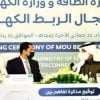
Iraq and Saudi Arabia have signed a memorandum of understanding (MoU) to link their power grids.
It was signed by Saudi Arabia's Minister of Energy, Prince Abdulaziz bin Salman, and Iraq's Minister of Electricity, Adel Karim.
The Secretary-General of Iraq's Council of Ministers, Dr. Hamid Naim Al-Ghazi [Hamed Al Gazi], called on the Saudi Ministry of Energy to send a technical delegation to Baghdad next week to finalise the details of the interconnector, and to hold workshops with the Iraqi side.
(Sources: Iraqi Cabinet, INA, Gulf News)
Posted in Construction & Engineering In Iraq, Iraq Industry & Trade News Comments Off on Saudi Arabia and Iraq to link Electricity Grids
SaudiExIm in deal with National Bank of Iraq
Posted on 18 November 2021 .
By John Lee.
The Saudi Export-Import Bank (SaudiExIm) has reportedly signed an agreement with the National Bank of Iraq (NBI) to assist exporters of Saudi-sourced services and products supplying Iraq.
According to AsumeTech, the deal is valued at $25 million.
(Source: AsumeTech)
Posted in Iraq Banking & Finance News, Iraq Industry & Trade News Comments Off on SaudiExIm in deal with National Bank of Iraq
Iraq Expands Border Crossings with Saudi Arabia to Boost Trade
Posted on 17 November 2021 .
By Salam Zidane for Al Monitor. Any opinions expressed here are those of the author(s) and do not necessarily reflect the views of Iraq Business News.
Iraq expands border crossings with Saudi Arabia to boost trade
In the context of strengthening economic relations, Iraq and Saudi Arabia are diversifying their trade outlets, intending to increase trade exchange to more than $3 billion annually.
Posted in Iraq Industry & Trade News Comments Off on Iraq Expands Border Crossings with Saudi Arabia to Boost Trade
IBBC Dubai Autumn Conference fields Top Speakers in All Sectors
Posted on 10 November 2021 .
As a measure of confidence in the global and Iraqi economy, the Iraq Britain Business Council (IBBC) is seeing a marked upswing in quality and quantity of speakers at the Autumn Conference at the Address hotel, Dubai 22nd November.
The topic, in line with COP26 and the new energy horizon, is one of sustainability. Not only is this a key question for the oil and gas sector in Iraq, but also for the diversification of the economy and sustainable finances and industrial sectors within the country. With the hope of formation of a new government and stronger oil prices and government revenues, this could be described as a critical juncture in the evolution of Iraq.
Will the Government make the bold reform steps its people require? Can the economy diversify and enable the private sector to flourish? How will Iraq reform its energy sector and inflect towards renewable power, and develop its agricultural intentions at a time of water scarcity? How best to train and employ the many young people in the short term and how can the digital transformation of Iraq be delivered.
The Oil Minister H.E Ihsan Abdul Jabbar Ismaael intends to attend, along with Dr Salem Chalabi President of TBI, the Iraqi Ambassador to UAE, the British Ambassador to Iraq, and HM Consul General to Middle East. There is a very strong showing among IBBC members, leading IOC's including BP, TotalEnergies, and Basra Gas Company, and major suppliers to the Energy Sector such as Hydro-C and Oilserv and the ability to meet their CEO's at the event.
Professor Frank Gunter will give his insightful analysis of the economic outlook for Iraq and the steps to reform it must take to create a sustainable economy.
Finance too is fielding heavyweight speakers from IFC, Standard Chartered, Sardar Group (Principal Sponsors), Emirates credit insurance and a representative Director General of the Finance Ministry. Of particular interest are companies dedicated to supporting reform in Iraq, notably City and Guilds via GEMs and Stirling Education who are setting up international level qualifications for Iraqi companies for the first time, to raise standards and opportunities for Iraqi companies and youth, and SAP who are dedicated to the digital transformation of Iraq and will be outlining their vision and practical steps to achieve this. Both skills and digital applications are key drivers of a sustainable economy and take centre stage in this respect.
On the Industry Panel we see Dahlia Energy, Sardar Group, Al Busttan and Khudairi discussing the diversification of the economy and how they can help sustain momentum into the future, with their forward-looking businesses.
In parallel the online Tech conference is addressing data and its benefit to Government, business and the citizen. Sponsored by SAP, who will lead on the benefits of data in digital transformation, complimented by UK's GDS, Mastercard on smart cities, UK's Agri-epicentre and British Water and Serco; all leaders in their fields and passionate about the benefits of technology and data in delivering sustainable future economies.
For companies looking to meet the main business leaders in Iraq, this really is a conference to attend. Not only to meet Government officials and ministers, but also the leading supply chain organisations and IOC's and to learn about the future opportunities and likely evolution of Iraq's economy. To this end there is a pre-conference reception the night before at the Iraqi pavilion Dubai Expo 2020, and many opportunities to interact with delegates during lunch and coffee breaks, as well as the ability to sign up to view the conference online.
For more information and the latest speaker line up- please go to: IBBC Autumn Conference - IBBC (iraqbritainbusiness.org)
About the sponsors:
Saradar Group: Principal sponsors
With more than 30 years of rich experience in the automotive sector, Sardar Group became the leading group in the Automotive Sector in Iraq. Their intimate knowledge of the Iraqi market helped import, stock and sell the right brands, types, and models, while their excellent reputation, track record and credibility have helped grow the business times many over since 2003.
Since 2005 with a desire to move from Automobile Trading to providing its customers with all-round Automotive Solutions, Sardar Group started utilizing the synergies of its existing operations to diversify its automotive business activities to include Trading, Leasing of Vehicles, Equipment & Machinery and most importantly Aftersales Service Support.
Today, Sardar Group represents world-renowned automotive brands and heavy construction equipment & machinery exemplified in the following brands:
- Toyota & Hino (in partnership with Sumitomo Corporation)
- Jaguar
- Land Rover
- Polaris
- Doosan
- TOTO
Hydro-C : Gold Sponsors
Hydro-C is catalysing the transition of fossil fuel-based energy to renewables by means of introducing sustainable green solutions into the industry to decarbonise operations and projects, and maintain profitable output. The company plan to focus on Solar, Wind and Hydro powers as a source of energy to achieve net Zero with energy providers and IOCs by 2050 in Iraq. By trading the UK innovative solutions and replicating successful projects which can cut on emissions and support sustainable growth. The company focus is on investing in the young generation, education, new technologies and innovations to support this transition.
SAP: Gold Sponsors
SAP is one of the world's leading producers of software for the management of business processes, developing solutions that facilitate effective data processing and information flow across organizations. SAP helps companies and organizations of all sizes and industries run their businesses profitably, adapt continuously, and grow sustainably. With a global network of customers, partners, employees, and thought leaders, SAP helps the world run better and improves people's lives. SAP is the market leader in enterprise application software, helping companies of all sizes and in all industries run at their best: 77% of the world's transaction revenue touches an SAP system. SAP's machine learning, Internet of Things (IoT), and advanced analytics technologies help turn customers' businesses into intelligent enterprises. Their end-to-end suite of applications and services enables its customers to operate profitably, adapt continuously, and make a different
City&Guilds/ GEMS: Gold Sponsors
City and Guilds was Founded in 1878 and Granted a Royal Charter by Queen Victoria in 1900.
Global leader in skills development. 4 million people each year use City and Guilds to develop skills that help them into a job, develop on that job and prepare for their next job. Global Benchmark operating in Bahrain, Egypt, Jordan, Kuwait, Lebanon, Oman, Palestine, Qatar, Saudi Arabia, Turkey and UAE
Vocational Education / City and Guilds Models in Iraq:
- To Partner with Training Institutions for delivery of City and Guilds qualifications - pathway to work programmes with curricula developed by employers.
- Accredit employers' own training so employees can obtain internationally recognised qualifications.
- Partner with Iraqi investors to set up Private Technical and Vocational Institutions that deliver City and Guild qualifications.
Operational in Baghdad, Basra, Erbil and exploring a project in Najaf.
Serco: Silver Sponsors
Serco is managing Air Traffic control systems in Iraq and internationally. In the Middle East, Serco employs more than 4,500 people across four countries including the United Arab Emirates, the Kingdom of Saudi Arabia, Qatar and Iraq
Basra Gateway Terminal: Bronze Sponsors
Basra Gateway Terminal (BGT) is Iraq's premier container and multi-purpose cargo handling facility. It is situated in Umm Qasr, 50 km from Basra and 500 km from Baghdad.
Operated by International Container Terminal Services Inc. (ICTSI), BGT's team of high-performing Iraqi and International port professionals deliver customer-focused, high productivity and congestion-free port services to Iraq's economy.
Bell Finance LLC: Bronze Sponsors
Bell Finance Limited Liability Company was created in the US State of Delaware in July 2019 to build upon the Iraq Middle Market Development Foundation's lending and educational activities in Iraq since 2005 (www.immdf.org). Bell will continue IMMDF's lending activities by co-financing with Iraqi banks qualifying private sector projects that generate employment and economic growth in Iraq, incorporating Iraqi private sector companies as equity partners. Bell will also continue and expand IMMDF's educational activities in Iraq.

(Source: IBBC)
Posted in Investment, Iraq Banking & Finance News, Iraq Industry & Trade News, Iraq Oil & Gas News Comments Off on IBBC Dubai Autumn Conference fields Top Speakers in All Sectors
US "using Saudi Arabia to Expand its Influence In Iraq"
Posted on 10 November 2021 .
Writing in Oil Price, Simon Watkins says that without a new nuclear deal with the United States, Iran's ability to influence Iraq is severely limited by its lack of dollars.
With a new nuclear deal though, Iran would resume its ability to influence Iraq.
Posted in Politics, Security Comments Off on US "using Saudi Arabia to Expand its Influence In Iraq"

Iran-Saudi dialogue in Iraq Paused
Posted on 04 November 2021 .
From Amwaj Media. Any opinions expressed are those of the author(s), and do not necessarily reflect the views of Iraq Business News.
Iran-Saudi dialogue in Iraq paused 'until new Iraqi government formed'
The dialogue between Iran and Saudi Arabia in Baghdad has been temporarily paused pending a resolution to the domestic political stalemate in Iraq, Amwaj.media has learned.
Speaking on condition of anonymity, informed sources have emphasized that the stalling of an anticipated fifth round of talks in the Iraqi capital this year is extraneous to the Iranian-Saudi engagement itself, hinting that the negotiations will resume once a new Iraqi government has been formed.
Posted in Politics Comments Off on Iran-Saudi dialogue in Iraq Paused
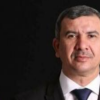
Iraq, Saudi Arabia "to sign $billions of Energy Contracts"
Posted on 02 November 2021 .
By John Lee.
Iraq and Saudi Arabia are reportedly about to sign energy deals worth tens of billions of dollars.
The state-run Al-Sabaah newspaper quotes Oil Minister Ihsan Abdul Jabbar (pictured) as saying that Iraq is negotiating with oil giant Saudi Aramco to enter as a partner in contracts for gas exploration in the Western Desert.
He added that Iraq has intensified discussions with the Saudi company ACWA Power to build water desalination facilities and clean energy plants.
ACWA Power launched a successful IPO on the Saudi Stock Exchange last month, the biggest IPO on that exchange since Saudi Aramco's in 2019.
(Source: Al Sabaah)
Posted in Iraq Industry & Trade News, Iraq Oil & Gas News Comments Off on Iraq, Saudi Arabia "to sign $billions of Energy Contracts"
A Climate Change Initiative to Transform Iraq
Posted on 01 November 2021 .
From the Office of the Iraqi President:
Mesopotamia Revitalization Project: A Climate Change initiative to Transform Iraq and The Middle East
Addressing climate change must become a national priority for Iraq. The country is one of the most at-risk from climate-change impact; according to the UN Environment Program, Iraq is the 5th most vulnerable globally to decreased water and food availability and extreme temperatures.
These factors pose a long-term threat to the living conditions of millions of Iraqis, to the long-term sustainability of the economy, and to Iraq's national security.
The negative impacts of climate change are well-documented, and they will only get worse, with the likelihood of more sustained higher temperatures (according to some Iraqi studies it is expected that the average temperatures will increase by 3 to 5 degrees centigrade compared to the 1960's. Some international models indicates less severe increases), more frequent drought, and rising salination.
The effects of climate change are being compounded by the lack of urgent action on the part of Iraqi policymakers, and the continuation of wasteful practices that assume water availability is unlimited and that energy and resource conservation are unnecessary.
As a result of these factors, 54% of our country is under serious threat of land degradation, and desertification is affecting 39% of the land area. Dam building on the headwaters of our twin rivers has reduced the amount of water reaching Iraq and, as a result, the salt wedge of the Gulf is migrating up the southern portion of Iraq, negatively affecting our agricultural production and causing Basrah to suffer from a lack of drinking water.
The potential human costs of these changes are immense. Seven million Iraqis have already been affected by drought and the risk of displacement. According to Iraq's Ministry of Water Resources, the country could face a shortfall of as much as 10.8 billion cubic meters of water annually by 2035. This deficit is based on the shortfall between what is predicted to reach Iraq and what Iraq will need for agriculture, industrial and domestic use and does not include the potential effects of climate change on snow and rain fall and the losses due to evaporation and increased temperatures.
Moreover, the continued use of Sumerian irrigation technology (flood irrigation) is simply unsustainable, both because the shortage of water and, more specifically, because of the lack of floods. Flooding is what facilitated irrigated agriculture in Iraq, as the annual overflow swept away the accumulated salts and deposited new layers of silt and clay, thereby renewing the vitality of the farmlands. This is no longer possible, due to dam building on the sources of water.
These climate changes are taking place within the context of a global energy transition that will also impact the Iraqi economy. Demand for oil and gas is set to fall over the coming decades, and that will dampen prices in the long term. Iraq's oil production is some of the cheapest and most attractive in the world. Nevertheless, the economic status quo is unsustainable. The longterm financial and economic impacts of climate change must be fully acknowledged and planned for.
It is imperative that we act now. With Iraq's population set to grow from 38 million today to 80 million by 2050, and with the highest fertility rate in the Middle East, the economic and social risks of climate change will be catastrophic for Iraq if left unaddressed. The well-being of our future generations is in our hands, and we have a solemn duty to live up to that responsibility.
Vision for change
We must turn this national emergency into an opportunity to transform the Iraqi economy fundamentally, with the goal of adapting to climate change effects through a plan of action based on a vision that is intended to provide better living conditions for our future generations.
The action plan envisions a comprehensive roadmap, rooted in climate-change initiatives along with a legal and regulatory framework. The plan will deliver economic diversification (as outlined in the White Paper), and it will promote environmental sustainability though a series of independent steps, all of which are connected in purpose and vision.
In taking these steps, and integrating them into global climate-change action, we can address many of the demands of Iraqis: jobs, in sectors like agriculture, construction, and light industry; services; welfare; economic growth; and security. The plan will also promote Iraq's role as an agent of long-term positive change in the Middle East and as the connective tissue between East and West and North and South.
This initiative - the Mesopotamia Revitalization Project - is based on nine substantive schemes to bring about real change. It is designed to align and reinforce the Iraqi government's wider climate goals, to underscore and strengthen its commitment to the Paris Agreement, and to offer regional solutions for common climate-related challenges. To be successful, we will need a national effort. The Mesopotamia Revitalization Project will require the participation of the Parliament of Iraq to set the laws needed, and the executive branch lead by the Prime Minister and the cabinet; it will necessitate the empowerment of all relevant ministries to design and implement a series of policies and laws; it will demand the establishment of new, specialized institutions tasked with specifically addressing climate-change-related issues; and it will combine state spending with funding from Green funds, private capital markets and international donors to finance the massive new investment envisaged.
Programs
While the Mesopotamia Revitalization Project will be Iraq-focused in its initial stages, it is designed to coordinate with and integrate Iraq with regional economic and climate-adaptation partnerships and interconnections. In its initial phase, it will focus on four core areas - reforestation; water management; housing and urbanization; and energy transition - which exploit readily available opportunities, draw on proven technology, can take advantage of existing funding sources, and will deliver fast results. The following nine initial projects will provide the foundations for a more ambitious long-term economic revitalization agenda that will place Iraq at the heart of regional change.
- The "Garden of Eden" reforestation program
Iraq has seen its 30 million palm trees reduced by two-thirds, and the forests of Kurdistan partially denuded over the past 40 years. Deforestation of these areas continues, albeit at a slower rate, uprooting sometimes one-hundred-year-old vegetation.
As such, there is huge potential for Iraq to restore and expand its palm and forest biosphere. This initiative would provide an effective way of capturing and harvesting greenhouse gas (GHG) emissions, as well as stabilizing soil, and decreasing salinization and desertification. Moreover, this nature-based project would contribute directly and indirectly to bolstering the Iraqi economy, especially in the crucial agricultural sector, by creating new jobs and providing a springboard for industrial expansion.
As a centerpiece of the Mesopotamia Revitalization Project, the plan proposes that Iraq begin an immediate national effort to replant forests in southern and western Iraq (palm and citrus) and in Kurdistan (local species). This effort will be dubbed "the Garden of Eden reforestation program". The initial goal would be to plant 20-30 million palm trees within two years, restoring previous losses. In the longer term, the aim of the program is to plant 1 billion trees across Iraq by 2030 as well as regularly replenishing saplings to replaces interim losses. If we can exceed the 1-billion target, we would be not only replacing what we lost in the past decades, but also create the infrastructure to generating agricultural products such as dates and citrus and vegetables though the use of the shaded lands below the planted trees.
Beyond its climate-change-mitigation impact as a carbon sink, this program would be an economic multiplier and would deliver regional benefits. On the agricultural front, the program would depend on Iraqi research and study for the production of saplings, which could be generated in Iraqi academic institutions and grown by farmers. Tree nurseries safeguarding saplings through their early years will provide new employment opportunities.
To assure sustainability of the re forestation effort, we will be planting the saplings using modern methods that will incentive the saplings to grow the roots to tap into the groundwater so that we do not need to irrigate them for the long term using surface water. This will reduce the increased demands on water resources from planted trees. However, the planted vegetables in the shade will be irrigated (using modern drip irrigation and other methods that do not waste water) using treated sewage water, or harvested water, depending on the site.
On the industrial front, the use of water-efficient irrigation techniques, where possible, will develop a local market for drip irrigation and rain-water harvesting equipment that can be produced in Iraq. Indeed, as part of the program, we will encourage investment in local light industry to produce these parts for new irrigation systems, and to promote the recycling of plastic products as part of that process. In areas where tributary areas are hilly and there are ravines (such as Kurdistan and the Western Desert/Jazeera area), water harvesting will create new job opportunities, including the construction of small and micro-dams to recharge groundwater and to generate oases.
The Garden of Eden reforestation program will have direct benefits beyond Iraq. The program should be integrated with regional initiatives, such as the 50-billion-tree project announced by Saudi Arabia and the UAE. Iraq's tissue-culture research and sapling production can also be integrated with those efforts. while it can be funded through carbon sequestration schemes as part of the mitigation measures, it further strengthens the climate-adaptation front, as the benefits derived from stabilizing soil with vegetation will contribute to a decrease in regional dust storms and other climate phenomena at home and in neighboring states.
Funding for the Garden of Eden program will come from a mixture of state revenue, international donors, regional and international investors, and green funds. As a first step, Iraq should work with the World Bank and UN agencies to complete and fund a comprehensive technical planning, programing, and financing strategy to underpin the reforestation program.
We must also promulgate legislation to create a special fund to issue loans to farmers who participate in this project. The fund needs to be seeded by government money, combined with annual contributions from international oil and gas companies as part of their social-responsibility initiatives.
The fund should be administered transparently through the Agricultural Cooperative Bank, utilizing mobile and e-technology ensuring that the reforestation initiative will also serve to introduce banking reform and modernization.
- The "Green Parks" program
The reforestation program is to be augmented with a program to preserve natural areas around Iraq. The Ministry of Environment has identified over 80 sites of importance from the point of view of flora and fauna. Each one of these sites should be studied and considered for designation as a National Park and then to have these parks managed in an endowment for future generations of Iraqis. This will also help in complying with Iraq's international obligations to preserve natural sites.
Further, there is a need to preserve the green park areas in Baghdad and other large cities in Iraq. As a first step, this project proposes that Baghdad Municipality and associated government agencies designate a new Central Park for Baghdad, which will link the old Muthana Airport, the adjacent Zawra Park, and Washash Army barracks. Beyond the benefits for air standards in Baghdad, it will provide a place where families can enjoy nature, and as a refuge for birds and wildlife.
In addition, all new residential projects and developments should include green park space covering a minimum of 25% of their area. Wherever possible and appropriate, vertical garden space should be incorporated, and incentivized to improve air quality. The planning departments and investment commission as well as those in charge of enforcing building codes, should incorporate this requirement as a minimum in the process of reviewing and approving building projects.
- The "Twin Rivers/Rafidain" water-management program
Mitigating heightened water-resource threats demands improvements in irrigation efficiency across Iraq's agricultural sector and the modernization of its water-management strategy. Iraq's current water-management plans were developed during an era when there were few dams built on the headwaters of the Tigris and the Euphrates, and floods annually threatened the country's major cities. Flood-control lakes are used to store water (such as Tharthar and Habbania), but because these are relatively shallow with large surface areas, they result in significant water evaporation (at least 8 billion cubic meters of water per year). Evaporation and percolation from the hundreds of thousands of canals (lined and unlined) that Iraq uses to move water to farms and villages further contribute to evaporation levels.
The introduction of modern techniques to improve water management and resource preservation through near-term measures is critical to Iraq's future and, if implemented quickly, could reduce total water demand for irrigation by 30% to 40% over the next 3-5 years.
Meanwhile, reduction in irrigation-related water waste will help to reduce drainagewater problems, and address salinization risks on farmland. Shifting from unlined gravity canals to either large-diameter pipes or concrete-lined canals shaded with photovoltaic panels that could be used to generate local electricity would further lessen evaporation losses in addition to generating sustainable electricity.
To encourage this shift, Iraq should consider new legislation to convert the government's current farm-support program from subsidizing agricultural output (such as buying wheat at prices higher than the international market) to subsidizing the use of modern irrigation and agricultural production methods, such as plastic hoses, drip and spray heads, and hypotonic agricultural beds. These methods will also reduce the use of fertilizers and pesticides and the use of plastic sheets to cover the soils will also help in reducing evaporation and related desalinization. This change can happen in 4 to 5 years through a specific program that converts 20 to 25 percent of the support annually from buying products to modernizing 20 to 25 percent of each farm.
In addition, farmers could be offered insurance against market-price variation by establishing long-term contracts between producers and new food processing plants, which could be created through government funding or through private-public partnership. This scheme could provide an opportunity to build regional commercial ties. As part of its funding strategy for this transformation, Iraq should study what measures are necessary to open up its food-processing and dairy industry to investment from neighboring states, which could then supply the Iraqi and regional markets, and tap into Iraq's well educated labor force.
The modernization of irrigation and water management would support the development of light industry to fabricate plastics and irrigation equipment, and the production plastic pellets needed as feedstock for this manufacturing. The Iraqi government could support this growth through the creation of public-private partnerships to modernize existing industrial facilities in Iraq.
This transformation will need to begin with the relevant ministries and agencies in Iraq working with specialized international organizations to begin to develop a comprehensive plan to guide the Twin Rivers/Rafidain Water-Management Program and the ancillary manufacturing industries. This effort should also seek to propose the legislative and regulatory changes necessary to frame this transformation.
- The "Cleansing of the Rivers" sewage program
The dumping of raw sewage directly into the Tigris and the Euphrates rivers is an ongoing environmental disaster. Over 5 million cubic meters of sewage water is dumped daily into our rivers, resulting in pollution and disease. This practice needs to stop immediately. The relevant Iraqi government agencies (led by municipalities, but aided and guided by the Ministry of Environment) should immediately begin a study to determine the cost and timeline for new sewage-treatment plants across the country that would eliminate this dumping practice. Existing plants should be reviewed, and capital spending by the Iraqi government utilized. Moreover, new projects should include technology to harvest methane emissions from biological digestion processes, and use this gas to power the sewage facilities. If excess power is generated, it can be fed into the local grid.
In the interim, natural-treatment systems should be introduced to mitigate the immediate threat of dumping sewage into the waters and supplement longer-term sewage management efforts. These natural-treatment schemes are not as efficient as modern sewage-management mechanisms, but they would nonetheless improve water quality and allow it to be safely reused for agriculture.
These schemes can be implemented quickly in small villages (where they are ideal), as well as in medium-sized cities with agricultural lands in their vicinity. This program will be an added-value program to the Garden of Eden Reforestation program, as the natural-treatment schemes include the planting of green reed beds and other natural flora that can absorb the nutrients in the sewage and use the water to grow plants that will absorb and sequester carbon dioxide. These projects can be funded through the Green Climate Fund or the Adaptation Fund, Redd+ funds.
- The Shatt al-Arab Grand Barrage/Bridge
Iraqi water resources and agriculture are at risk of significant damage from the salt wedge that is migrating up the Shatt al-Arab from the Gulf. Controlling this flow is critical to land management, agricultural and fisheries development, and water quality. Furthermore, the reduced flows are affecting erosional patterns in the region. Studies indicate that the slat wedge can be controlled through making sure that the flow rates of Shat Al Arab is no less than 100 cubic meters per second. However given that the water use strategic studies indicate that there will be a shortfall in the water supply, it is expected that the slat wedge will migrate as Iraq will be unable to provide this kind of flow without an agreement with Turkey, Iran and Syria on the management of the waters of the Tigris and Euphrates.
Plans should be revived for installing a control barrage at the mouth of Shatt al-Arab, similar to the Thames Barrier. This Shatt al-Arab Grand Barrage project would allow the flow of seawater to be controlled by closing it during high tide and opening it during low tide, allowing salinity to be managed. It would also have the additional benefit of helping to protect the heritage cities of southern Iraq from the negative effects of climate change in addition to stemming erosional patterns. Opening of the gates during low tides will allow for the release of the polluted waters that are dumped into shat all arab now. If the source of the polluted waters is eliminated, it will be possible to hold the clean water and raise the level of Shat Al Arab to allow for its use for irrigation purposes.
This project would also have regional benefits. Any effective barrage would need to be located at the section of the Shatt al-Arab shared with the Islamic Republic of Iran. As such, the design and construction of the project will require bilateral cooperation and coordination, and this effort could provide the foundation for a wider resolution of the dispute over water rights in the Shatt al-Arab.
Furthermore, land connections would encourage trade and regional cooperation. The barrage will be a bridge that will connect the people of the region together, not just Iraq with Iran, but also incorporating the larger region, including Kuwait, Saudi Arabia, and the Gulf states. The Barrage should include a lock to allow for the continuation of navigational use for small and medium ships.
Regional construction companies could be encouraged to bid for the project, thereby bringing them into the Iraqi market. The cost of construction of the Shatt al-Arab Grand Barrage is estimated at around $1 billion. Given the high figure, we propose that Iraq should study various funding mechanisms, including public-private partnerships, joint financing with the Islamic republic, support from international financial institutions, and accessing financing from international and green investment funds.
- The Vintage Building program
Introducing modern building techniques and encouraging energy efficiency in urban areas will contribute to reducing Iraq's energy needs and its carbon footprint. Urban areas are responsible for the vast majority of GHG emissions, and per capita energy and resource use in cities and towns are significantly higher than in rural areas. With urbanization rates at over 70%, and urbanization growing at over 2.5% annually, adopting solutions to promote cleaner and more efficient building and energy-use methods is critical for Iraq.
As a first step to addressing these looming challenges, Iraq must introduce new energyefficiency and construction-standards legislation, designed to reduce long-term energy use. In particular, we must encourage the construction of new low-cost housing in Baghdad and other major cities in Iraq that draw on heat-management lessons from traditional old architecture techniques, and which use mass-compacted earth technology that will reduce energy consumption, delivering modern-style structures with smaller CO2 footprints. Government agencies and local municipalities should study appropriate measures to retrofit government buildings, and to encourage the introduction of renewable-energy solutions and energy-efficient building processes.
Introducing new building standards and energy-efficiency measures will have a potential multiplier effect for the Iraq economy: new investment in brick-building will be required to supply the local construction market with mass-compacted earth technology bricks; retrofitting will generate new jobs in the construction sector; and, in the longer term, Iraq can use this initiative to develop a local photovoltaic industry to satisfy local demand. In all of these sectors, new jobs will be created, and it will encourage investment by the local and international private sector.
To expedite the implementation and adoption of the measures discussed in the building efficiency program, incentives should be built in. Tax breaks for developers, builders, and manufacturers should be incorporated into the taxation code. These initiatives could be funded by converting carbon credits accrued to the Iraqi government from GHG-reduction funds into tax subsidies. A program along these lines should be designed and implemented by the Ministries of Finance and Environment, in conjunction with international agencies.
- Waste-to-Energy (W2E) program
Modernizing Iraq's urban waste-management systems that capture and reuse fugitive emissions will not only reduce Iraq's carbon footprint but also provide a potential source of renewable energy. The Iraqi government and local municipalities should build on a recent initiative launched in Sulaimania, where local cement factories coordinated with local authorities to build a fourth-generation modern dump that captures the methane generated from the decomposition of biological materials, and also uses plastic waste to reduce the energy demands of its kilns. Similar schemes could be introduced in urban areas across Iraq as part of a national waste-management and emissions-reduction initiative.
The Modern Waste Program could be funded through a number of channels. Public funds could be made available at a local level, but public-private partnerships could also be considered where private-sector ventures are involved. Support and funding from the Green Climate Fund, and from other climate-finance institutions should also be studied, as should bilateral support from national investment funds.
- Gas Capture program
The oil-and-gas sector is the major contributor to GHG emissions in Iraq. Fugitive emissions from the sector alone account for over 40% of total national emissions, largely as a result of high levels of associated-gas flaring (Iraq ranks second in the world in terms of total flaring, behind Russia). Venting and fugitive emissions along the oil-and-gas value chain also contribute to these overall numbers.
Iraq must introduce immediate measures to reduce flaring, eliminate venting and improve energy-efficiency in the oil and gas sector as a means of reducing emissions levels and increasing government revenues. As such, Iraq should revisit proposals to capture flared associated gas, and utilize it for power generation locally or export it to neighboring states. In the longer term, opportunities to utilize this gas in value-added petrochemical industry can also be explored. Iraq should also implement measures to eliminate venting and fugitive emissions from oil-and-gas production by introducing modern monitoring mechanisms and ensuring the overall integrity of Iraqi hydrocarbon infrastructure. Introducing renewable-energy generation to power operations in the hydrocarbon sector would further reduce emissions.
As a first step towards implementing this program, Iraq agencies should review existing commercial proposals by foreign oil and gas companies for gas capture, utilization and monetization. As part of this effort, Iraq should also consider reviewing existing upstream contracts in order to create more incentives for associated gas capture and for more energy-efficient and environmentally friendly production methods. Iraq should also study regional initiatives linked to associated gas capture and improved production methods in order to shape its own program.
- Green Energy program
The solar energy potential of Iraq and the region is multiples of that of countries to the north. Iraq is already seeking to develop its solar energy potential, with bids solicited last year for the creation of a 755-megawatt plant in the central Euphrates region. Further solar ventures are also being planned with foreign investors and the ministerial council approved in June 2021 offering 12,000 mega watts of PV for investors.
Iraq should link these initiatives to a more ambitious Green Energy program, designed to shift Iraq's energy-use patterns, enhance its energy efficiency, and establish the foundations for new revenue streams over the next two decades.
As an initial step, Iraq should accelerate investment in expanded solar-energy production to meet rising electricity demand and reduce emissions. As part of this initiative, Iraq will need to invest in modernizing its transmission and distribution network, allowing it to collect solar energy form the south and deliver it to the north during the day, and hydroelectric energy in the opposite direction at night. New IPP models will also need to be introduced, where the electricity is purchased by the Iraq government at a preset rate. And in the long term, these renewable sources will replace retired thermalgeneration plants.
The program must also seek to encourage and incentivize private homeowners to install photovoltaic panels for residential electricity generation, and smart meters to reduce overall energy use. Campaigns to encourage energy efficiency should also be introduced.
Iraq should also consider leasing out lake surfaces for photovoltaic production of PV. Similar programs have been introduced successfully elsewhere, such as Malaysia. There may be inefficiencies associated with installing photovoltaic panels on floating frames, but a reduction of evaporation due to the cover provided would be sufficient compensation.
In the longer term, Iraq's Green Energy program should be designed to be a source of income and to promote regional links. Transition networks should be established with a view to exporting any eventual excess power generation north and south, and to be a transport route for solar electricity from the Gulf to Turkey and Europe. Storage mediums such as hydrogen and ammonia should also be developed in the longer-term, providing more industrial potential and attracting regional and international investment.
Regional Framework
While it is primarily a national initiative, the Mesopotamia Revitalization Project is also designed to address regional climate-change issues. Regardless of the political disagreements in between the countries in the region, Climate Change is a foe that will affect all our region negatively. We must face that together as it is a regional, nay Global, threat.
Iraq is at the center of this region historically and metaphorical and as such, we should capitalize on our historic role to help Iraq and the region though promoting economic and political cooperation and stability in the Middle East that will inevitably result in co-dependence and economic mutual benefits.
The project focuses on creating the necessary conditions for peace and stability, and it will reinforce this ambition in three ways:
Water security.Issues of water scarcity, and their impact, are not confined to Iraq.Water security has been a growing risk in the Middle East for the past half century, and the dangers associated with limited water availability and reduced flows are rising.The gulf waters increased salinity will soon make desalination uneconomical for people in the Gulf.It need not be said that lack of water will result in major population displacements be it in Syria, Iraq, Iran, or elsewhere in the Gulf.
In addressing its own water-management challenges, Iraq can potentially act as a model for the region, and draw on regional initiatives. Moreover, it would provide a starting point for much-needed discussions on water-sharing with its neighbors up stream and downstream. The water efficiency initiatives, when implemented properly, will allow for water to be available to share with down stream users, and the same efficiency schemes can be used up stream. Increased links and co dependence, will result in building the trust bonds needed to encourage co management of the water resources for the benefit of the entire basin and not only Turkey, Iran, Iraq and Syria. Co dependence will dictate and yield naturally to commonwealth and cooperation.
Food security.Prior to the political calamities of the late 20th and early 21st centuries, Iraq was a regional breadbasket.The country's abundance of natural resources and its climate allowed for year-round agricultural production, creating a surplus of produce that could be exported.
A long-term goal of Iraq's efforts to improve water availability, salinity levels, and land preservation is to restore agricultural production to levels where it can again play this key role in the future, taking advantage of its strategic location at the center of northsouth and east-west trade routes.
Land security.Threats of desertification and associated meteorological risks are not confined to Iraq; they threaten the Middle East as a whole.Already the incidents of dust storms have negatively affected Iraq and its neighbors.This is not because of Iraq alone, but a regional degradation and even a world wide phenomena.By addressing its own land-management challenges, Iraq can provide lessons for the wider region.It will also allow cooperation and coordination of land-management initiatives across the Middle East.The ultimate result of the reforestation program is not only carbon sequestration but also a suppression of the dust storms and the stemming of the losses due to desertification.
In the longer term, the Mesopotamia Revitalization Project is designed as a foundation for more extensive climate-adaptation measures that will drive economic growth and regional integration. Our ambitions should be grand. Given its strategic geographic position, Iraq can develop itself as a critical commercial artery linking the Gulf to Europe. The opportunity exists for Iraq to develop as a "dry canal," transforming itself into a transport route for energy, trade, natural resources, and digital technology.
Road and rail routes utilizing electricity and hydrogen technology could be developed, including the necessary supporting infrastructure. These lines could be used to connect the ports of Fao, Kuwait, and Abadan to Europe, and would offer an alternative route for surplus freight that cannot be shipped to the Suez Canal (alternatively, a trade agreement could be reached with Egypt to establish a common north-south transport company). Transport lines for energy exports from the Gulf region, and overland digital connections could also be included.
Implementation
Designing and implementing the Mesopotamia Revitalization Project's various initiatives will require appropriate institutional arrangements, and it may involve the passage of dedicated legislation to create the legal and investment environment to promote the changes envisioned.
a. Institutional arrangements
Success of the Mesopotamia Revitalization Project will depend on adopting a whole-ofgovernment approach that links appropriate ministries and agencies in a coordinated fashion. A number of critical institutional moves will be needed to kick off the Project:
Accelerate the administrative separation the Ministries of Health and Environment, and consider appointing a new Minister for the Environment.The position should be a deputy prime minister for environmental affairs with special duties to over see the development and implementation of plans and strategies to deal with climate change and protection of the environment.
Empower the Nationally Declared Contributions Committee that is tasked with designing Iraq's commitments under the UN Framework Convention on Climate Change with executive agency to design and coordinate Iraq's climate policy.
Establish an Independent Climate Advisory Committee, headed by a respected scientific or business leader, to advise the Iraqi government on climate-change strategy.
Following the lead of international banking institutions in considering CO2 reduction measures, all projects funding by the Iraqi government or where loans are issued by Iraqi banks should incorporate a CO2 reduction measure in compliance with Iraq's obligations under the Paris Agreement accords.
b. Legislation
The executive branch should consider putting to the Council of Representatives a set of laws to underpin and facilitate the Mesopotamia Revitalization Project's various initiatives, and to establish the necessary institutional structures.
c. Awareness and education
The Iraqi government should consider launching a nationwide public awareness campaign to inform and promote its climate and energy-efficiency policies, using social and traditional media, and to encourage changes in individual habits. Local education campaigns to promote water- and land-management, and the benefits of modern irrigation and farming methods, should also be considered.
d. Stakeholder engagement
In order to build popular awareness and support for the Mesopotamia Revitalization Project, Iraq government agencies, including the Office of the Presidency, should consider a broad stakeholder-engagement campaign, targeting both the targets of these initiatives and national groups engaged in promoting green policies and energy transitions (such as Green Iraq).
e. Funding and technical support
In order to ensure the success of the Mesopotamia Revitalization Project, Iraq should seek support from specialized international agencies and funding bodies to design, implement and finance its climate-adaptation efforts. Institutions such as the World Bank, the IMF, UN agencies and the EU have significant experience in assisting programs worldwide, and Iraq can benefit tremendously from this knowledge. Moreover, a variety of financing option exist through specialized funding agencies and green investment funds dedicated to supporting climate-adaptation initiatives. Support from these bodies will be critical especially in the early phases of the project.
Nature itself gives us the most wondrous example of an interconnected global network, while we have to designate and delegate to achieve our goals. We should keep sight of each of the above initiatives as integral and interconnected parts of a greater whole, of Iraq as a vital part of a greater region and indeed the global community.
(Source: Office of the Iraqi President)
Posted in Agriculture, Politics Comments Off on A Climate Change Initiative to Transform Iraq
Iraq Stock Market Report
Posted on 29 October 2021 .
Advertising Feature
Rabee Securities Iraq Stock Exchange (ISX) market report (week ending: 29th October 2021).
Please click here to view a table of listed companies and their associated ticker codes.
The RSISX index ended the week at IQD944 (+2.0%) / $828 (+2.0%) (weekly change) (+30.2% and +24.9% YTD change, respectively). The number of week traded shares was 2.5 bn and the weekly trading volume was IQD2.1 bn ($1.5 mn).

ISX Company Announcements
- The Central Bank of Iraq (CBI) announced the issuance of the first issue of "Binaa" bonds in categories IQD500 K and IQD1.0 mn. The media office of the CBI said in a statement that "in continuation of the role of the CBI in developing the local financial market and mobilizing savings, the CBI offered the first issuance of "Binaa" bonds of two categories IQD500 K with annual interest of 6% for two years, and IQD1.0 mn with annual interest of 7% for four years." The statement added, "the purchase of these bonds will be through licensed banks, which receive purchase requests from those who wish to do so and hand them a receipt for the amounts of purchase of these bonds, as the CBI issues and delivers them to the banks within a short period." According to the letter, banks are allowed to invest in purchasing these bonds with a ceiling not exceeding IQD100 bn. The bonds can be traded on ISX after the ISC makes a decision in this regard.
- Saudi Industrial Exports Company (Sadirat) has signed a non-binding MoU with International Development Bank for Investment and Finance (BIDB) in Iraq to support exports from Saudi to Iraq. (Zawya)
- ISX will continue suspending trading of the following companies due to not disclosing their 6M21 financial statements: SIGT, VKHF, BDSI, VBAT, IELI, ITLI, IMPI, IMCM, HASH, SBAG, SILT, AMAP and AISP.
- The listing procedures of Al-Mashreq Al-Arabi Islamic Bank for investment (BAMS), with a capital of IQD200 bn, have been completed. Depositing of shares started on Oct. 21, 2021.
- World Islamic Bank (BWOR) resumed trading on Oct. 24 after being suspended from trading for its AGM (Oct. 7) in which they discussed and approved 2020 annual financial statements.
- Al-Ansari Islamic Bank for Investment & Finance (BANS) started trading in the non-regular market on Oct. 26.
- Mosul Bank (BMFI) will resume trading on Oct. 28 after being suspended for its AGM (Oct. 9) in which they discussed and approved 2020 financial statements.
- Al-Mansour Pharmaceutical Industries (IMAP) will resume trading on Nov. 1 after being suspended from trading for its AGM (Oct. 16) in which they discussed and approved 2020 financial results and decided to merge with Al-Serar Industrial Investment. After this decision, the capital of IMAP increased from IQD6.5 bn to IQD9.9 bn.
- ISX will suspend trading of National Islamic Bank (BNAI) starting Nov. 4 due to the AGM that will be held on Nov. 9 to discuss and approve 2020 annual financial statements.
- Union Bank of Iraq (BUOI) will hold an AGM on Nov. 6 to discuss and approve 2019 annual financial statements. The company has been suspended from trading since Aug. 6, 2017 due to not disclosing 2019 and 2020 financial statements.
- ISX will suspend trading of Al-Mosul for Funfairs (SMOF) starting Nov. 16 due to the AGM that will be held on Nov. 21 to discuss and approve increasing the capital from IQD1.0 bn to IQD1.5 bn through 50% bonus issue.
https://www.facebook.com/RabeeSecurities
Posted in Investment Comments Off on Iraq Stock Market Report

Iraq to Invest in Greener Technology
Posted on 27 October 2021 .
By John Lee.
Iraq reportedly plans to invest $3 billion annually to transition from burning liquids to burning natural gas in its power plants.
Deputy Prime Minister and Finance Minister, Ali Allawi (pictured), told the Middle East Green Initiative Forum in Saudi Arabia that Iraq will also end gas flaring by 2025.
He also recommitted Iraq to working towards a greener future.
(Sources: The National, Arab News)
Posted in Iraq Industry & Trade News, Iraq Oil & Gas News, Politics Comments Off on Iraq to Invest in Greener Technology