


New Service to Connect King Abdulaziz Port to India and Iraq
Posted on 04 March 2023 .
By John Lee.
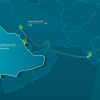
The Saudi Ports Authority (Mawani) has announced the addition of King Abdulaziz Port to the newly-launched India-Saudi-Iraq (ISI) shipping service by Singapore-based feeder operator Bengal Tiger Line (BTL).
Aimed at empowering importers and exporters with best-in-class offerings, the regional route further strengthens the Kingdom's maritime connectivity in its quest to establish itself as the world's leading logistics destination in alignment with the ambitions of the National Transport and Logistics Strategy (NTLS).
The ISI service links the Dammam-based hub to the Indian port of Mundra and the Iraqi port of Umm Qasr aboard a 929-TEU vessel.
A total of five cargo services linking Saudi Arabia to 43 global hubs were added to the rosters of Jeddah Islamic Port, King Abdulaziz Port, and Jubail Commercial Port during January 2023.
(Source: Mawani)
Posted in Iraq Transportation News Comments Off on New Service to Connect King Abdulaziz Port to India and Iraq
Iraq and Saudi Arabia sign new Security MOU
Posted on 21 February 2023 .
By John Lee.
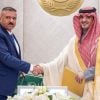
The Iraqi Minister of Interior, Abdul Amir Al-Shammari, and its Saudi counterpart have signed a security memorandum of understanding, which is the first of its kind since 1983.
The agreement includes various forms of security cooperation, exchange of ideas, and joint security efforts to enhance security for both countries.
The signing was attended by several high-ranking officials from both countries, and the Iraqi Minister of Interior expressed gratitude towards his Saudi counterpart for the warm welcome.
(Source: Ministry of Interior)
Posted in Politics, Security Comments Off on Iraq and Saudi Arabia sign new Security MOU
Saudi-Iraqi Road Completed
Posted on 16 February 2023 .
By John Lee.
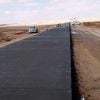
Iraq's Ministry of Construction, Housing and Public Municipalities has announced the completion of the Arar-Anaza road project.
The project was overseen by the Roads and Bridges Department of the Ministry and executed by the Ashur General Company for Construction Contracting.
This 29-km road, with a width of 6.3 meters, was completed at a cost of 23 billion Iraqi dinars ($15.7 million), and will serve as a crucial link in securing the border with the Kingdom of Saudi Arabia.
(Source: Ministry of Construction)
Posted in Construction & Engineering In Iraq, Iraq Transportation News Comments Off on Saudi-Iraqi Road Completed
Hapag-Lloyd adds new Saudi-Iraq Route
Posted on 30 January 2023 .
By John Lee.
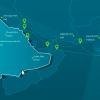
The Saudi Ports Authority (Mawani) has announced the addition of Jubail Commercial Port to the India Gulf Service 1 (IG1) shipping route by ocean carrier Hapag-Lloyd.
Starting on 12th February, the weekly service will link the Kingdom to the ports of Jebel Ali, Karachi, Mundra, Sohar, Shuaiba, and Umm Qasar on board three containerships with an average carrying capacity of 2,400 TEUs.
(Source: Saudi Ports Authority)
Posted in Iraq Transportation News Comments Off on Hapag-Lloyd adds new Saudi-Iraq Route
Iraq Falls Further in Human Freedom Index
Posted on 27 January 2023 .
By John Lee.
Iraq has been ranked in 157th place out of 165 countries in the latest Human Freedom Index (HFI).
Produced by the Fraser Institute and the Cato Institute, the index presents a broad measure of human freedom, understood as the absence of coercive constraint.
This eighth annual index uses 83 distinct indicators of personal and economic freedom in the following areas:
- Rule of law
- Security and safety
- Movement
- Religion
- Association, assembly, and civil society
- Expression and information
- Relationships
- Size of government
- Legal system and property rights
- Sound money
- Freedom to trade internationally
- Regulation
This was Iraq's lowest score and ranking since its inclusion in the Index in 2016.
Iraq ranks ahead of Syria, Iran and Saudi Arabia, but behind Libya, China and Turkey.
(Source: Fraser Institute)
Posted in Politics, Security Comments Off on Iraq Falls Further in Human Freedom Index
Trade Bank of Iraq (TBI) achieves Record Profits
Posted on 19 January 2023 .
By John Lee.
The state-owned Trade Bank of Iraq (TBI) has announced a net profit of 1.267 trillion Iraqi dinars (approx. $867 million) for the year just ended, making 2022 its most profitable year since its establishment in 2003.
In a statement, the bank said the increase was due to the careful management of funds and the recovery of commercial loans that were in arrears, as well as the imposition of additional guarantees on other loans.
The bank said it's also working to increase loans for commercial, industrial and investment development projects, which will further contribute to maximizing revenues and developing the Iraqi economy.
It is also supporting community initiatives, such as donating to the Republic of Iraq pavilion at the Dubai Expo, and the rehabilitation of Tahrir Square in Baghdad.
TBI said it will open additional branches in Iraq and expand internationally, with the opening of a branch in Riyadh, Saudi Arabia in March. [The bank previously announced the opening of a branch in Riyadh some years ago]
(Source: TBI)
Posted in Iraq Banking & Finance News Comments Off on Trade Bank of Iraq (TBI) achieves Record Profits

Zain Iraq finalises Sale-and-Leaseback of Towers
Posted on 19 January 2023 .
By John Lee.
Zain Group has announced that its operation in Iraq has entered into a definite 15-year agreement to sell and leaseback, as well as the management rights of the passive physical infrastructure of its 4,968 tower portfolio in Iraq to TASC Towers Iraq for US$180 million.
The deal also comprises of TASC Towers Iraq expanding the network and building new tower sites across the country to meet the growing demand for data connectivity as per local market requirements, including an agreed 198 new sites over the next 12 months. Furthermore, TASC Towers will manage Zain Iraq's supporting facilities such as power generators, fuel tanks and shelters.
Zain Iraq will retain its active infrastructure, including wireless communication radios, antennas, intelligent software, transmission systems, and intellectual property with respect to managing its telecom network.
TASC Towers, headquartered in Dubai, is an international tower operator focused on sale and leaseback, build-to-suit and tower related investments in the MENEASA market (Middle East, North & East Africa and South Asia).
As an independent tower operator, TASC Towers' subsidiary in Iraq will work on optimizing co-location of mobile network sites with other telco operators in the country, that will result in a better utilization of mobile site infrastructure, the reduction of power generators and hence the industry's carbon footprint.
Bader Al-Kharafi (pictured), Zain Vice-Chairman of Group CEO said:
"Zain's '4Sight' strategy aims to create significant value for shareholders through the unlocking of capital and optimization of infrastructure assets which will flourish under the management of an independent team. This transaction will enhance operational efficiencies and empower Zain Iraq with greater flexibility to invest in network upgrades and cutting-edge ICT technologies to meet the ever-increasing demand for reliable and high-speed connectivity."
"I congratulate both the Zain and TASC Towers teams for their competence in completing this landmark deal that will be instrumental in developing Iraq's digital economy and paves the way for tower infrastructure sharing, an important element in our groupwide carbon footprint reduction strategy that aims for Zain to transition to Net-Zero by 2050."
Iyad Mazhar, CEO of TASC Towers commented:
"As we expand TASC Towers' presence across the region, we look forward to playing a key role in the evolution of Iraq's digital economy and the positive impact it has on socio-economic growth for the community. Our independent operating model enhances the operational and carbon efficiency of passive tower infrastructure, which will allow mobile operators to invest more in technology upgrades and connectivity speeds."
This Iraq tower sale is the fourth tower transaction undertaken by Zain following similar pioneering deals including the transfer of 2,830 towers in Jordan, 1,620 towers in Kuwait and 8,100 towers in Saudi Arabia.
By freeing a telcos' resources, tower sale and lease back deals enable Zain operations to laser focus on the telco's core business and customers, therefore providing them an exceptional mobile and data experience.
FTI Capital Advisors acted as exclusive financial advisor to Zain Group on this transaction.
(Source: Zain)
Posted in Investment, Iraqi Communications News Comments Off on Zain Iraq finalises Sale-and-Leaseback of Towers

Riyadh Cables wins $25m Iraq Export Deal
Posted on 19 January 2023 .
By John Lee.
Saudi-based Riyadh Cables Group has signed an export agreement worth $25 million with Iraq's Wafaa Al-Furat Company for Electrical Materials Trading.
Under the agreement Riyadh Cables will start exporting wires and electrical cables from Saudi Arabia to Iraq during 2023.
The company also owns the Al-Rowad Electrical Cables manufacturing facility in Baghdad.
(Source: Riyadh Cables)
Posted in Iraq Industry & Trade News Comments Off on Riyadh Cables wins $25m Iraq Export Deal

Your Comprehensive Guide to Business in Iraq
Posted on 14 January 2023 .
By Guest Blogger:
Your Comprehensive Guide to Business in Iraq: What's Happening Today?
Business in Iraq has been growing steadily in recent years. From a standing start in 2003, the Iraqi economy has seen a remarkable transformation, with the private sector playing an increasingly important role in the country's overall economic development.
Despite the ongoing security challenges, there are many business opportunities in Iraq. In this comprehensive guide, we'll take a closer look at the economic and political environment in the country, the legal and regulatory framework for businesses, and some helpful tips for setting up a business in Iraq.
Introduction to Business in Iraq
Iraq is a predominantly Muslim country located in the Middle East. It is bordered by Kuwait, Saudi Arabia and Jordan to the south, and Turkey, Syria and Iran to the north. Iraq is the second-largest country in the Middle East and home to over 37 million people. It has a rich history and culture, and is known for its oil reserves, which make up a significant portion of the country's economy.
The economy of Iraq has been growing steadily in recent years, thanks to the government's efforts to diversify the country's sources of income. The Iraqi government has introduced several reforms to promote economic growth, such as the introduction of a new investment law to attract foreign investors. Iraq is also part of the Arab Free Trade Area, which allows for the free movement of goods, services and capital between member states.
Despite the ongoing security challenges, Iraq is a potential business destination for those looking to invest in the Middle East. The country has a young and educated population, access to markets in the Middle East and beyond, and a wide range of business opportunities in various sectors.
Economic Overview of Iraq
The Iraqi economy is largely dependent on oil revenues, which make up the bulk of the country's exports. Oil accounts for around 95% of Iraq's exports, and around 60% of its GDP. The country's oil reserves are estimated to be around 150 billion barrels, the fifth-largest in the world. Iraq is also home to significant deposits of natural gas, which adds to the country's energy resources.
The Iraqi government has adopted several measures to diversify the country's sources of income. The government has introduced reforms to attract foreign investment, such as the Investment Law of 2006, which offers incentives to foreign investors. It has also made efforts to develop the manufacturing sector, with the focus on the production of consumer goods.
Iraq has a young and educated population, with a literacy rate of over 90%. The country has a large labor force, with a high rate of unemployed people. This provides a potential opportunity for businesses to tap into the local talent pool.
The country also boasts a number of tourist attractions, such as its archaeological sites and the ancient city of Babylon. Tourism is still relatively undeveloped in Iraq, but has the potential to be a significant source of revenue for the country.
Iraq's Political and Social Environment
The political situation in Iraq is complex and often volatile. After the US-led invasion of Iraq in 2003, the country has seen a series of power struggles between various factions. The current government is a fragile coalition between the various political parties, and the stability of the country is still uncertain. The security situation in the country is fragile and there have been a number of sectarian clashes in recent years.
Despite the ongoing security challenges, the country has managed to make progress in terms of economic development. The government has taken steps to make Iraq an attractive destination for foreign investors. This includes the introduction of new laws to make it easier for businesses to operate in the country.
The Iraqi people are a diverse and welcoming population. The country is home to a variety of ethnic and religious groups, including Kurds, Arabs, Turkmen, Assyrians, and Yazidis. Despite the ongoing security challenges, Iraqis are generally friendly and welcoming to foreigners.
Business Opportunities in Iraq
Iraq has a number of business opportunities in various sectors. The oil and gas sector is the most lucrative, with Iraqi oil reserves estimated to be among the largest in the world. The country also has significant deposits of natural gas, which could be tapped into for energy production.
The manufacturing sector is another potential area for investment. The government has introduced reforms to promote the growth of the sector, such as the introduction of the Investment Law of 2006, which offers incentives for foreign investors. The government is also encouraging the development of the tourism sector, with the focus on developing cultural and heritage sites.
Iraq is also a potential destination for those looking to invest in the agricultural sector. The country has a diverse climate, with the potential to grow a variety of crops. The government is also encouraging the development of the agricultural sector, with the focus on improving irrigation and agricultural infrastructure.
The service sector is also a potential area for investment. The country has a young and educated population, which provides a potential opportunity for businesses to tap into the local talent pool.
Legal and Regulatory Framework for Business in Iraq
The legal and regulatory framework for businesses in Iraq is still in its early stages. The country has a number of laws and regulations in place to promote investment and encourage businesses to operate in the country.
The Investment Law of 2006 is the main law governing foreign investment in Iraq. The law offers incentives to foreign investors, such as tax breaks and protection from expropriation. The law also provides for the establishment of foreign-owned companies, and the protection of foreign investments.
The Iraqi companies law regulates the registration and operation of companies in the country. The law provides for the registration of both foreign and domestic companies, and sets out the rules and regulations governing their operations.
The Iraqi labor law is also an important legal framework for businesses in the country. The law regulates the employment of foreign workers in Iraq, and sets out the rules and regulations governing the hiring, firing and compensation of workers.
The Iraqi tax system is relatively simple and straightforward. The country has a flat tax rate of 15% for both companies and individuals. Companies are also subject to a number of other taxes, such as the value-added tax (VAT) and the customs duty.
Challenges for Businesses in Iraq
Despite the potential opportunities, businesses in Iraq face a number of challenges. The security situation in the country is still fragile, and there have been a number of sectarian clashes in recent years. This has made it difficult for businesses to operate in the country, as they are often targets of violence.
The Iraqi economy is also heavily reliant on oil revenues, which makes it vulnerable to fluctuations in the global oil market. The country's infrastructure is also in need of improvement, which can make it difficult for businesses to operate efficiently.
The legal and regulatory framework for businesses in Iraq is still in its early stages, and there is a lack of clarity on many issues. This can make it difficult for businesses to operate in the country, as there is often a lack of understanding of the laws and regulations governing their operations.
The Iraqi bureaucracy can also be a challenge for businesses. The government is still in the process of modernizing its bureaucracy, and the process of setting up a business in the country can be slow and complicated.
Doing Business in Iraq: Helpful Resources
If you're looking to set up a business in Iraq, there are a number of resources to help you get started. The Iraqi government has a number of agencies and departments that can provide assistance and advice for businesses. The Investment Commission is the government agency responsible for attracting foreign investment to the country, and can provide information and advice on setting up a business.
The Iraqi Chamber of Commerce and Industry is a non-governmental organization that provides information and advice on doing business in Iraq. It can also provide information on the legal and regulatory framework for businesses in the country.
The US Embassy in Iraq is another helpful resource for businesses. The embassy can provide information on the legal and regulatory framework for businesses in the country, as well as advice and assistance on setting up a business.
Types of Businesses in Iraq
Iraq is home to a variety of businesses, from small-scale operations to large-scale multinationals. The oil and gas sector is one of the most lucrative, with a number of foreign companies operating in the country. Other sectors that are attractive to foreign investors include the manufacturing sector, the tourism sector, and the agricultural sector.
The service sector is also an attractive option for businesses in Iraq. The country has a young and educated population, which provides a potential opportunity for businesses to tap into the local talent pool. The service sector includes a range of activities, from IT and software development, to hospitality and healthcare.
The retail sector is another potential area for businesses in Iraq. The country has a large population and a growing middle class, which provides an attractive market for retail businesses.
Tips for Setting Up a Business in Iraq
Setting up a business in Iraq can be a daunting task, but there are a few tips to help you get started.
The first step is to research the legal and regulatory framework for businesses in Iraq. It's important to understand the laws and regulations governing foreign investment and the operation of businesses in the country. This will help you to ensure that you are in compliance with the law.
It's also important to research the local business environment and culture. It's important to understand the local customs and culture, as this can have an impact on your business operations.
It's also important to have a local partner or advisor. A local partner or advisor can provide valuable advice and assistance on setting up a business in Iraq. They can also provide information on the legal and regulatory framework, and help you to navigate the local bureaucracy.
Finally, it's important to have a plan and be prepared. Setting up a business in Iraq can be a long and complicated process, so it's important to have a plan and to be prepared for any eventuality.
Conclusion
Business in Iraq has the potential to be a lucrative opportunity for investors. The country has a young and educated population, access to markets in the Middle East and beyond, and a wide range of business opportunities in various sectors. However, businesses in Iraq face a number of challenges, such as the security situation, the lack of infrastructure, and the bureaucratic hurdles.
If you're looking to set up a business in Iraq, it's important to understand the legal and regulatory framework, the local business environment and culture, and to have a plan and be prepared. There are a number of resources to help you get started, such as the Iraqi government agencies, the US Embassy in Iraq, and the Iraqi Chamber of Commerce and Industry.
Iraq may not be the easiest place to do business, but with the right preparation and resources, it can be a rewarding and profitable opportunity.
If you're looking to learn more about business in Iraq and the potential opportunities available, read Iraq Business News.
Posted in Iraq Industry & Trade News Comments Off on Your Comprehensive Guide to Business in Iraq

KRG preparing to Export Apples, Strawberries, Honey
Posted on 11 January 2023 .
The Kurdistan Region is moving from the import stage to the export stage, and diplomatic relations will be used for this purpose.
Currently, pomegranate exports to the Gulf countries continue and the opening of export routes of Kurdistan products to foreign markets is an important step in supporting domestic production.
Jalil Salihi, the supervisor of the pomegranate export project in the prime minister's office, said:
"The export of pomegranates was initiated by the prime minister and we are in the final stage of exporting pomegranates and we have been able to enter the UAE, Bahrain and Saudi Arabia markets".
"The diplomatic relations between Kurdistan and the UAE have become a basis for economic relations and exports, which has facilitated a lot and prime minister's office and the Kurdistan Regional Government will assist anyone who intends to export agricultural products to the Gulf countries".
The second part of our work, which will be the strategy of the Kurdistan Regional Government, is establishment of an institution for agricultural products that will be established in the near future which we can export Kurdish agricultural products to the Gulf countries, European Union and UK.
In addition to pomegranates, KRG is preparing to export apples, strawberries and honey. The scheme to support farmers and facilitate export of their produce to foreign markets will also be expanded. In the next phase, Kurdistan pomegranates will be exported to Saudi Arabia, Bahrain, European countries and UK.
Before exporting Kurdish pomegranates to the UAE and Canada, we conducted research to see if the pomegranates we have according to their characteristics According to the research we found that our pomegranates are competitive with the pomegranates of the European Union "It's similar to the Spanish pomegranate, which is in demand in the Gulf countries.
Regarding the intention of the Kurdistan Regional Government to encourage farmers and expand their businesses, the supervisor of the pomegranate export project in the office of the prime minister said: We care about our farmers, and this effort proves that we will help the farmers of the Kurdistan Region and constantly try to market their products in the future towards foreign countries, especially the Gulf countries and the European Union.
(Source: KRG)
Posted in Agriculture, Iraq Industry & Trade News Comments Off on KRG preparing to Export Apples, Strawberries, Honey